
Why is batch stability more important than single batch quality?
What truly determines whether a customer will cooperate long-term is the consistency of each batch of products. This is especially true for export-oriented candle factories. Differences in color, burning time, surface cracking, or inconsistent fragrance between batches can easily lead to customer complaints and even returns. Compared to single-batch performance, consistently stable batch consistency is the factory's true core competitiveness. In actual production, many factors affect batch stability, including fluctuations in paraffin wax raw materials, batch differences in wicks, changes in ambient temperature, and adjustments to equipment parameters. Among these, the most critical fundamental factor is often the stability of the raw materials themselves. Junda Wax, through its long-term supply to candle factories worldwide, has found that many production problems are not process-related, but rather systemic deviations caused by batch fluctuations in raw materials.
Parffin Wax Consistency is the First Core of Quality Stability
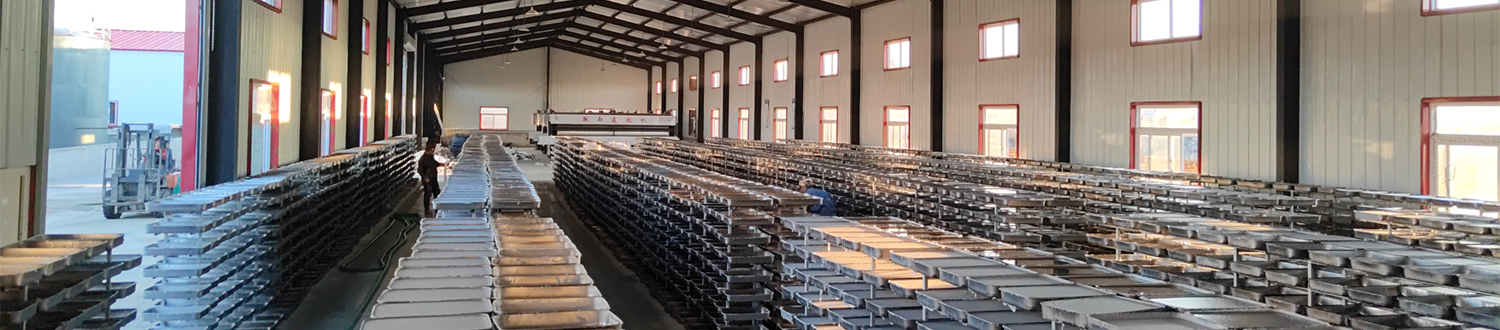
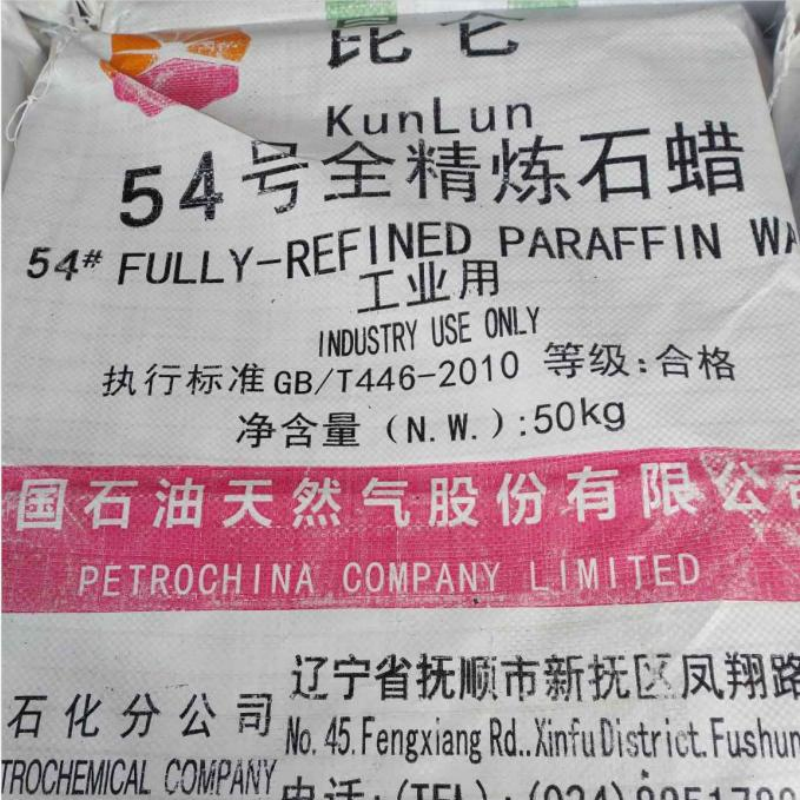
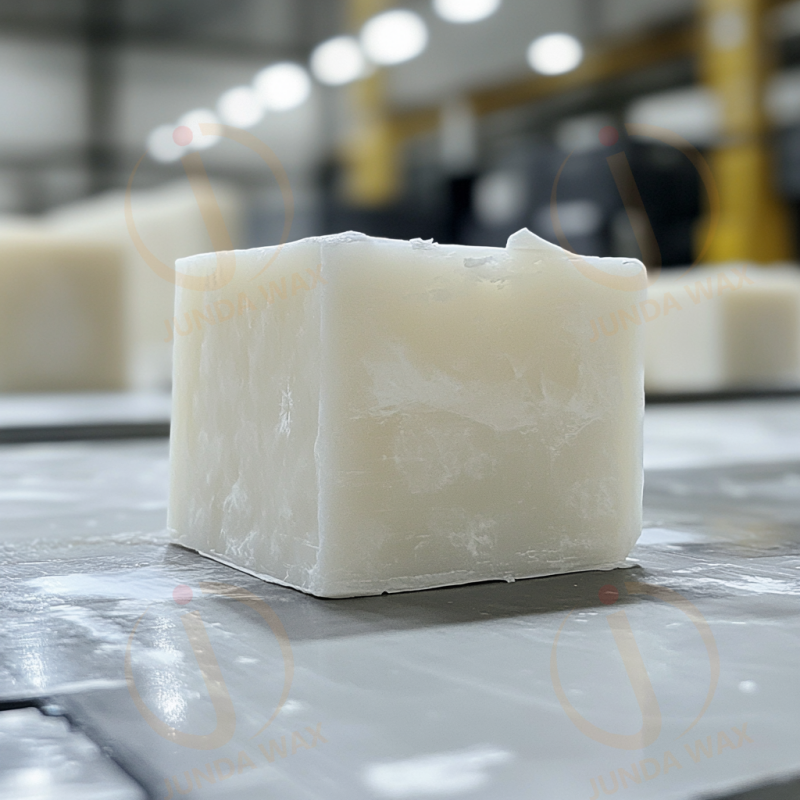
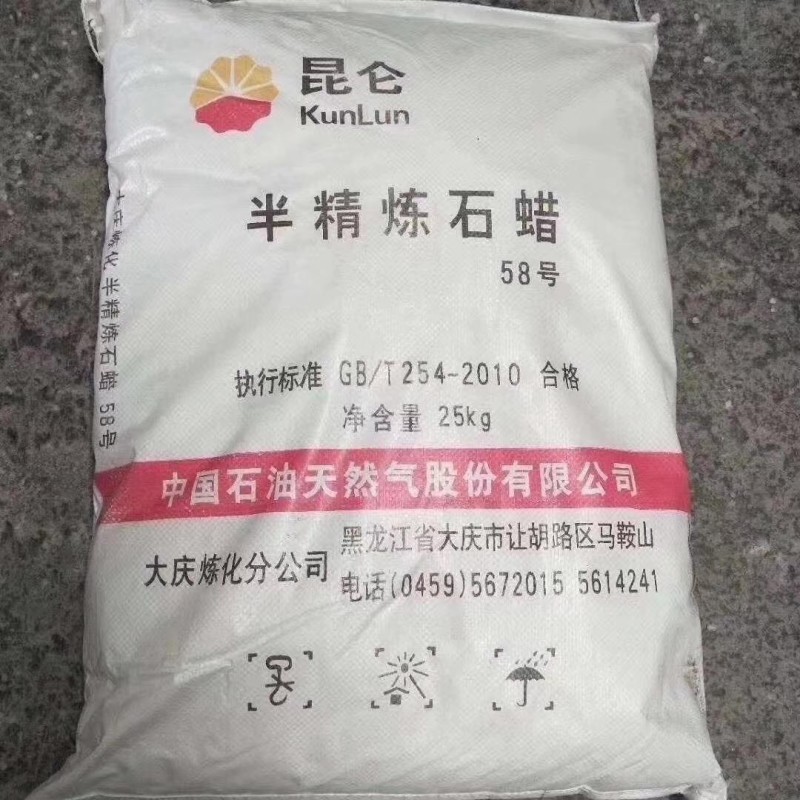
In the candle production system, paraffin wax is the most crucial basic raw material, and its stability directly determines the results of all subsequent processes. If there are fluctuations in the melting point, oil content, penetration, or color of the paraffin wax, it will lead to differences in the flowability, molding speed, and burning performance of each batch of products. For example, batches with slightly lower melting points may result in softer candles and difficulty in demolding; while batches with higher melting points may affect filling flowability and even cause uneven surface shrinkage. For automated production lines, these fluctuations are amplified, directly impacting production line efficiency. Therefore, large candle factories typically choose stable Candle Grade Paraffin Wax and require suppliers to provide long-term consistency control. Junda Wax ensures the stability of key parameters across different batches of paraffin wax through a rigorous raw material screening and refining control system, reducing the risk of production fluctuations from the source.
Standardization of Production Parameters is a Key Control Method
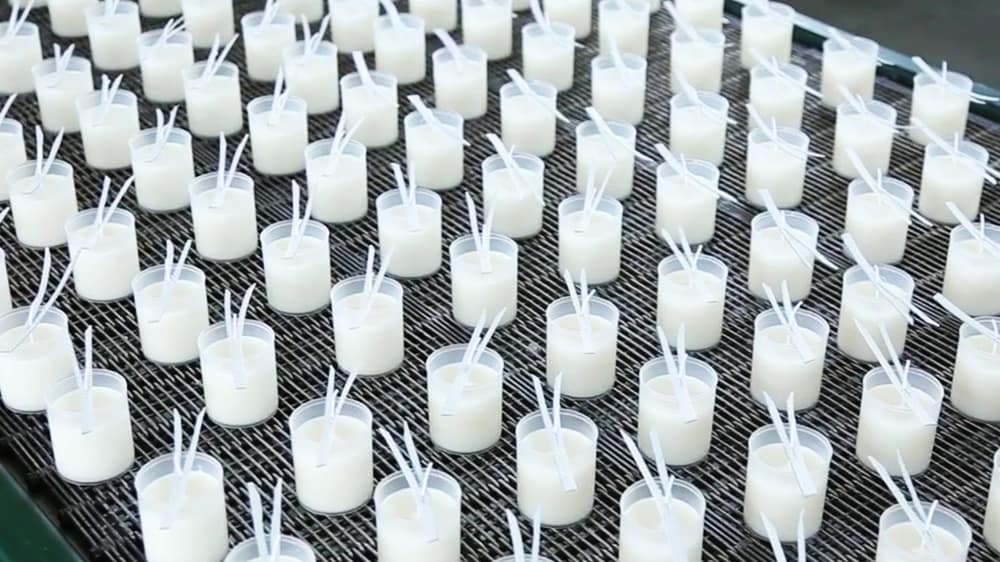
Besides raw material stability, parameter standardization during the production process is equally important. Many factories' problems lie not in the equipment, but in inconsistent parameters. For example, melting temperature, filling temperature, cooling time, demolding time, and mold temperature—if adjusted based on experience for each batch, it easily leads to product inconsistencies. Mature candle factories typically establish a standard operating procedure (SOP), fixing each key parameter and recording the optimal process window for different products. This standardization is particularly important in automated production lines because equipment operates according to set parameters; excessive manual adjustments can disrupt system stability. During its collaborations with clients, Junda Wax provides recommended process parameters based on different paraffin wax grades to help them quickly establish stable production systems.
Wicks and paraffin wax must be consistently matched. Many factories overlook the importance of wicks in quality control, but in reality, wicks and paraffin wax form a unified system. Even with identical paraffin wax, different batches of wicks can lead to variations in burning time and flame stability. For example, wicks with different weave densities, diameters, or wax impregnation methods will affect capillary adsorption rates, thus altering combustion performance. Therefore, stable quality control requires not only paraffin wax control but also simultaneous standardization of the wick. Junda Wax not only provides fully refined paraffin wax but also offers wax thread solutions tailored to different product types, helping clients achieve system-level stability at the source, rather than optimizing individual materials.
In the context of increasingly fierce competition in the global candle market, stability has become a core competitive advantage more important than cost. Leveraging its long-term export experience and stable production capabilities, Junda Wax not only provides highly consistent fully refined paraffin wax but also offers one-stop solutions including wax threads, color powders, and candle machinery, helping global candle manufacturers build more stable and efficient production systems.
