
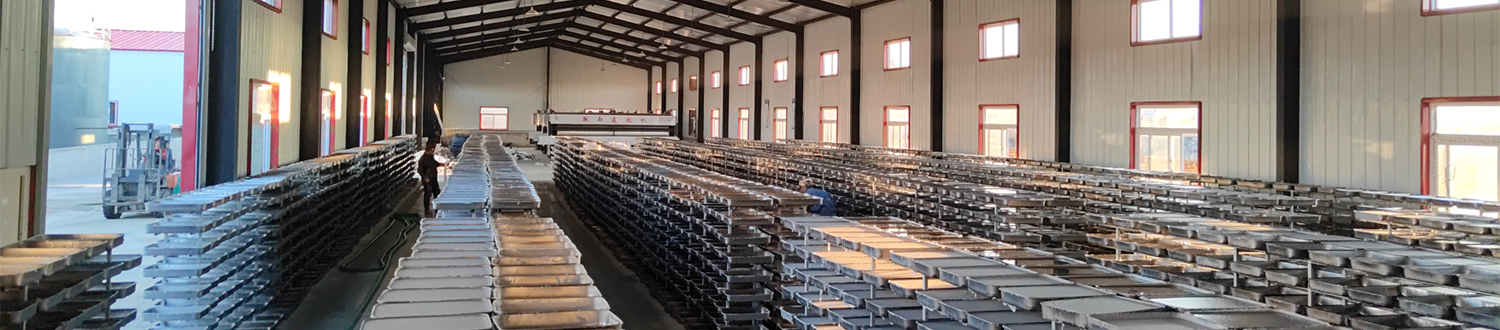
Among all candle categories, cup wax is often one of the products most prone to quality issues. Uneven surfaces, detachment from the cup wall, insufficient fragrance release, burning tunnels, and whitening crystals are all common problems encountered by cup wax factories. More importantly, many problems don't appear on the day of production but gradually emerge during transportation, storage, and even customer use. Therefore, cup wax production not only tests craftsmanship but also the stability of raw materials and the technical support capabilities of suppliers. As a supplier serving global candle manufacturers for a long time, Junda Wax has found that many recurring problems in factories are actually concentrated in a few easily overlooked details.
Focusing Only on Melting Point, Ignoring the Matching of Paraffin and Fragrance
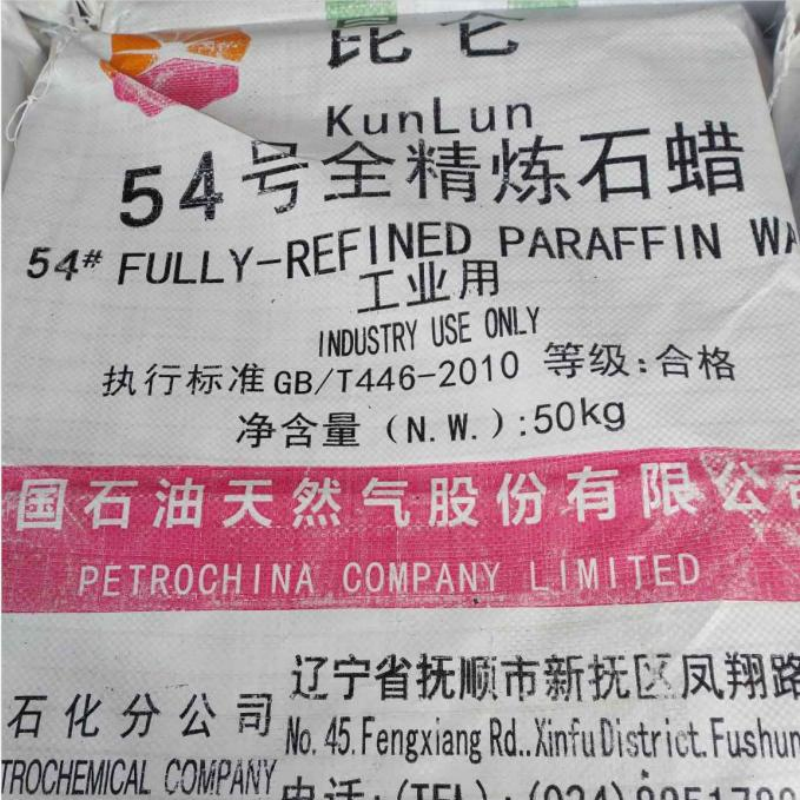
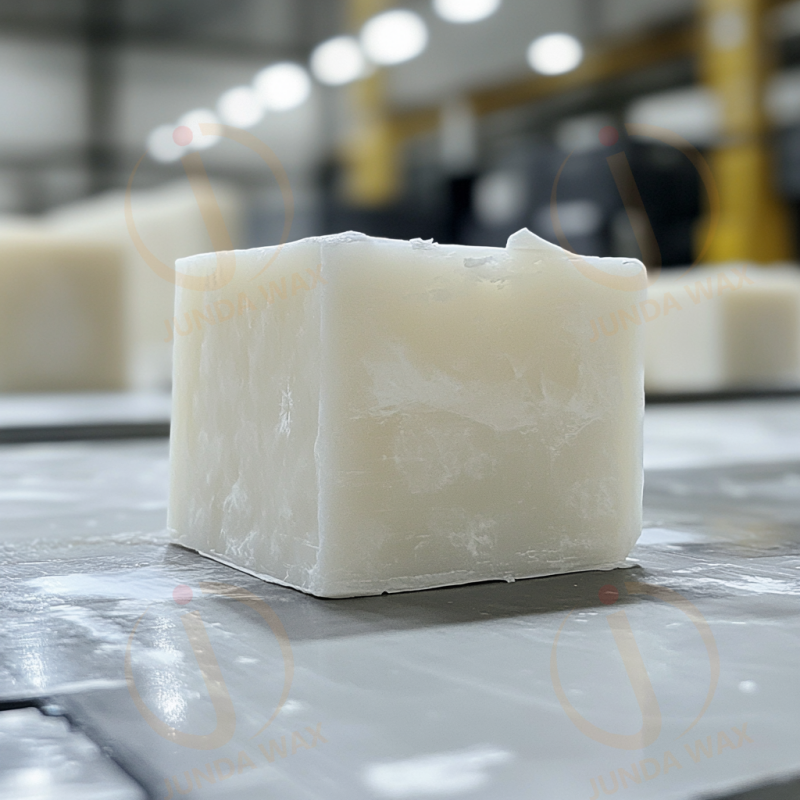
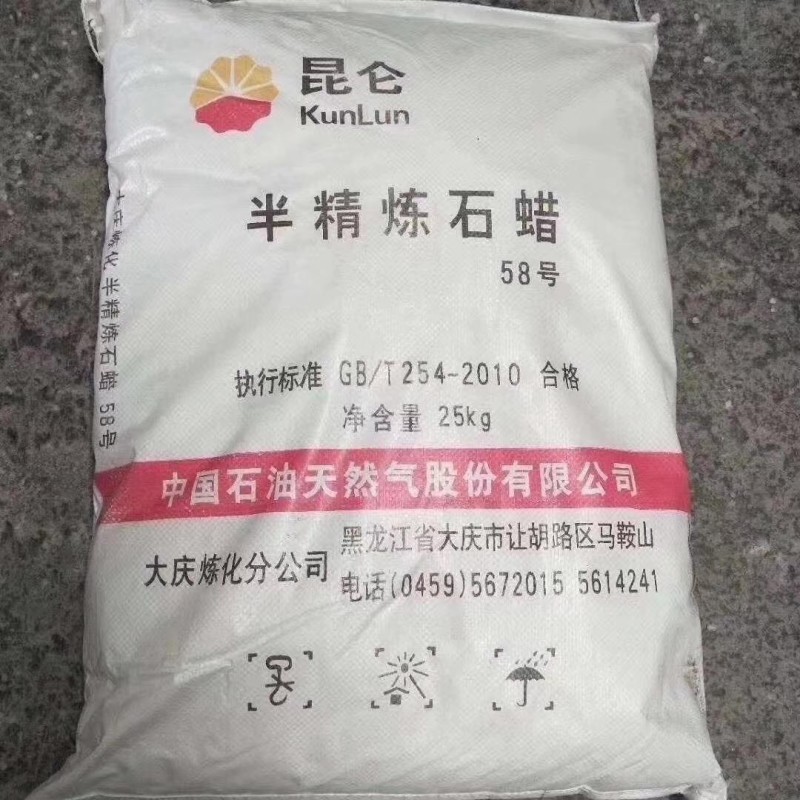
Many factories, when purchasing paraffin, first inquire about melting point data, such as 56℃, 58℃, or 60℃. However, for cup wax, simply focusing on the melting point is far from sufficient. This is because cup wax usually requires the addition of a high proportion of fragrance, and different paraffins have significantly different abilities to absorb and release fragrance. If paraffin wax and fragrance are not compatible, problems such as unstable fragrance release, fragrance precipitation, and even surface oiling can easily occur. Especially in products with high fragrance content, the purity and crystal structure of paraffin wax directly affect its fragrance retention ability. Therefore, high-quality, fully refined paraffin wax is often more suitable for the production of candle waxes than ordinary paraffin wax. Junda Wax offers a variety of candle-grade paraffin waxes and can recommend the most suitable product specifications based on the customer's fragrance addition ratio to help improve fragrance performance and product stability.
Ignoring the cooling process is more dangerous than ignoring the production process. Many factories pay great attention to filling temperature but neglect the cooling stage. In fact, most surface defects in candle waxes occur during the cooling process. For example, surface depressions, shrinkage pores, wet spots, and surface ripples are usually related to the cooling rate. If cooling is too fast, the different shrinkage rates between the inside and surface of the paraffin wax can easily create stress, leading to cracking or depressions later. If cooling is too slow, it may affect production efficiency and increase the risk of surface defects. Mature candle wax factories usually control workshop temperature and establish fixed cooling times, rather than simply relying on natural cooling.
Adhesion to the glass is often underestimated.
Many customers only focus on the surface appearance when receiving samples, neglecting the adhesion between the paraffin and the glass. Insufficient adhesion results in the so-called "wet spot" phenomenon, where a noticeable gap forms between the paraffin and the glass. While this doesn't directly affect combustion, it severely impacts the product's appearance, especially in the high-end scented candle market. Factors affecting adhesion include the paraffin formulation, filling temperature, glass material, and ambient temperature. When serving European and American scented candle brands, Junda Wax often recommends different paraffin specifications based on the container material used by the client to improve adhesion and overall visual quality.
Incorrect wick selection can mask the advantages of paraffin itself.
Many factories attribute all problems to paraffin when developing new products, but in reality, many combustion issues originate with the wick. Even using high-quality, fully refined paraffin, improper wick selection can still lead to: burning tunnels, excessively large flames, increased black smoke, insufficient fragrance diffusion, and abnormally short burn times. For glass candles, the wick must be perfectly matched to the container diameter, paraffin melting point, and fragrance ratio. Junda Wax not only provides paraffin wax products but also offers wax line matching advice to help improve product development efficiency.
Batch stability is paramount. Many factories begin mass production after successful testing in the R&D phase, but subsequently find that product performance gradually fluctuates. This is usually due to batch variations in raw materials. If the melting point, penetration, oil content, or crystal structure of the paraffin wax fluctuates, even if process parameters remain unchanged, the final product may still differ. For automated production lines, this fluctuation can even lead to decreased filling accuracy and reduced production efficiency. Junda Wax has long served candle manufacturers in Europe, South America, the Middle East, and Southeast Asia, controlling product consistency through a rigorous quality management system to help clients maintain long-term stable production.
High-temperature transportation issues. Many cup waxes perform well in factory testing but develop surface cracks, fragrance precipitation, or cup wall separation problems after sea transport. This is because the internal temperature of a container can exceed 50°C in summer, far higher than laboratory environments. Therefore, more and more export-oriented candle factories are beginning to emphasize high-temperature simulation testing. Junda Wax recommends suitable paraffin wax models for different export markets, taking into account transportation routes and climate conditions, and assists in optimizing packaging solutions to reduce transportation risks.
One-stop supply is becoming a trend in the candle cup industry.
As the scented candle market continues to develop, more and more brands are pursuing product consistency and development efficiency. Compared to sourcing paraffin wax, wax filaments, pigments, and equipment from multiple suppliers separately, one-stop sourcing reduces raw material compatibility issues and improves R&D efficiency. Junda Wax not only provides a variety of fully refined paraffin waxes and candle grade paraffin waxes, but also wax filaments, pigments, and automated candle production machinery, providing customers with a complete solution from raw materials to equipment.
As a professional candle grade paraffin wax supplier, Junda Wax has a mature production system, stable supply capabilities, and extensive experience in international market services. We also offer one-stop sourcing services for wax filaments, pigments, and candle production machinery to help customers create high-quality candle cup products more efficiently.
