
In recent years, the European candle market has undergone a very distinct transformation: buyers are increasingly prioritizing environmental protection and sustainability. Previously, when procuring paraffin wax, many clients focused primarily on price, melting point, and burn performance; however, an increasing number of European clients now proactively inquire about the wax's origin, manufacturing processes, environmental certifications, and long-term stability in use. This trend is becoming particularly pronounced in the markets of Germany, France, the Netherlands, and the Nordic region.
Many European candle brands today are selling more than just candles; they are marketing an eco-conscious lifestyle. Consequently, consumers are paying close attention to factors such as low smoke emission, purity of scent, long-term burn stability, and whether the raw materials meet environmental standards. This shift has directly influenced the procurement logic of European importers regarding paraffin wax. Relying solely on low-price competition—a common strategy in the past—is becoming increasingly difficult; instead, stability, purity, and product consistency have emerged as the more critical factors.
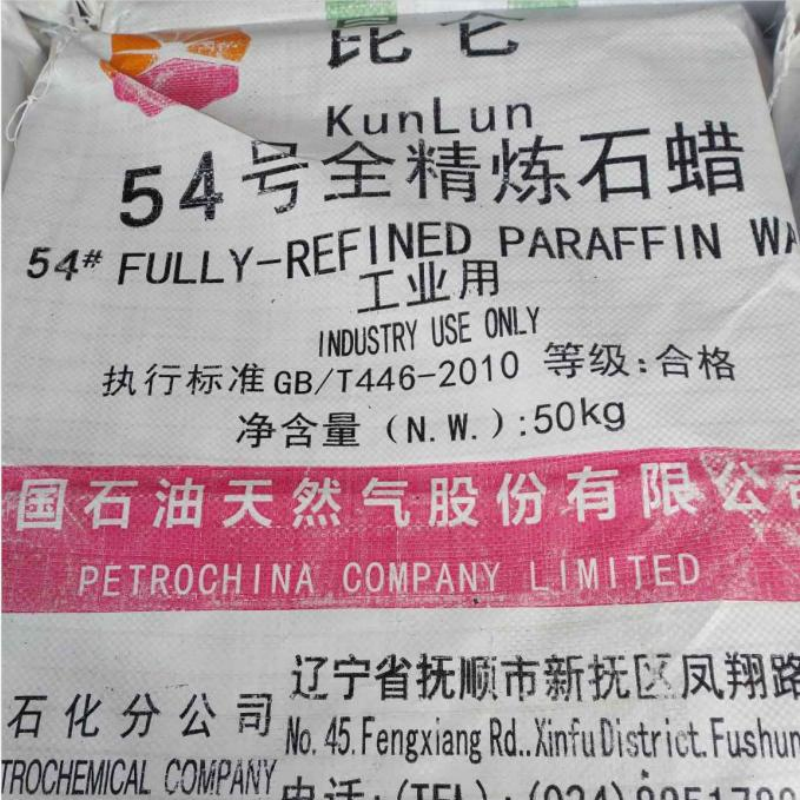
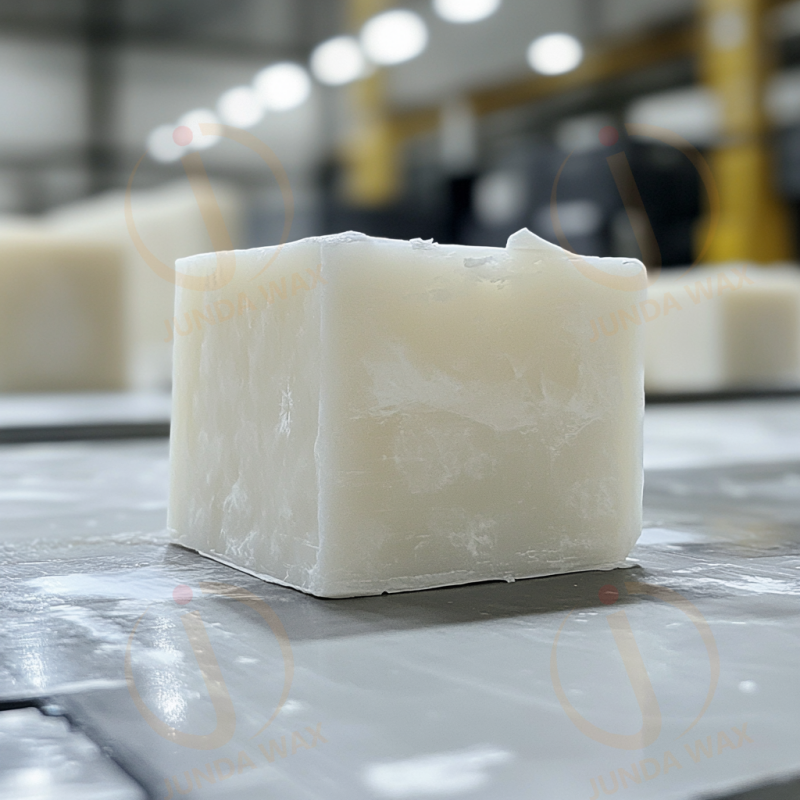
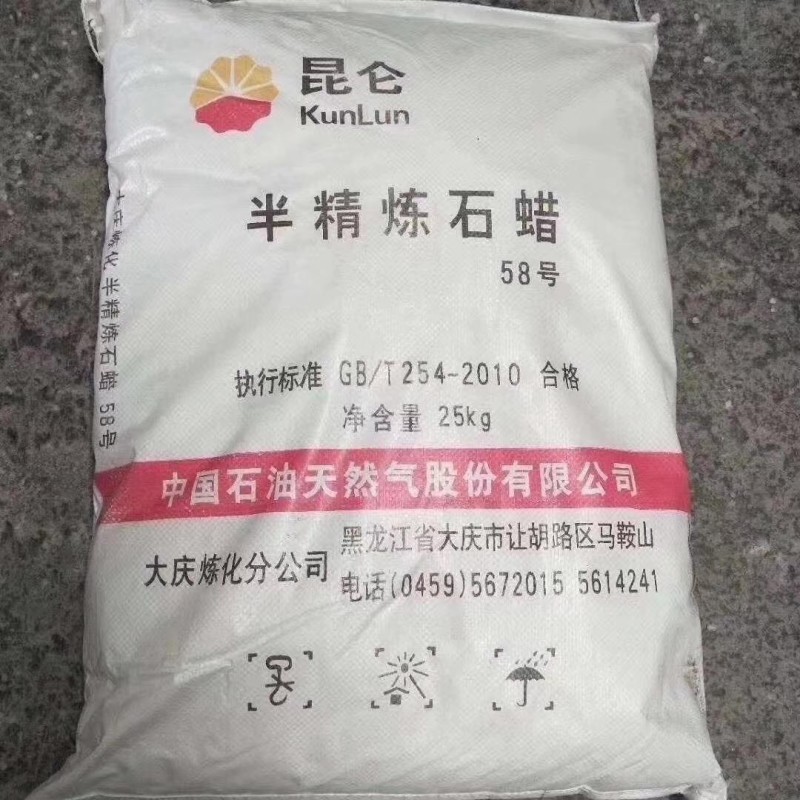
Within the paraffin wax industry, Fully Refined Paraffin Wax is gaining popularity over standard Semi-Refined Paraffin Wax. This is because fully refined wax features a lower oil content, fewer impurities, and a whiter appearance; it typically burns more stably and is better equipped to meet the stringent requirements of the high-end European candle market regarding both aesthetics and burn performance. Particularly in the segments of scented candles, container candles (glass jars), and premium gift candles, European clients place a heightened emphasis on the overall purity of the paraffin wax.
When procuring supplies today, many European clients look beyond the product itself to scrutinize relevant certifications and testing documentation. Compliance with REACH regulations, along with the provision of MSDS (Material Safety Data Sheets), TDS (Technical Data Sheets), and COA (Certificate of Analysis) reports, has gradually become a fundamental prerequisite for accessing the European market. Certain high-end clients go a step further, requiring SGS testing, adherence to RoHS environmental directives, and strict controls on PAHs (Polycyclic Aromatic Hydrocarbons), as these factors directly impact the cleanliness of the candle's burn and its marketability to end consumers.
REACH regulations, in particular, have effectively become a critical barrier to entry for the European market. Many European importers now require suppliers to furnish comprehensive supporting documentation regarding REACH compliance to verify that their products meet the EU's chemical management standards. For major European candle brands, the stability of raw materials directly dictates the quality of their finished products. Consequently, European buyers are placing increasing importance on long-term supply stability rather than focusing solely on the price of individual batches. Through its long-standing experience in exporting to the European market, Junda Wax has increasingly and clearly perceived this evolving landscape. Many clients no longer focus solely on a single price quote; instead, they place greater emphasis on consistency across different production batches, as well as the reliability of long-term supply capabilities. Currently, for its Candle Grade Paraffin Wax, Junda Wax provides comprehensive support to clients—including MSDS, safety documentation, Certificates of Analysis (COA), Technical Data Sheets (TDS), and third-party SGS testing services—thereby facilitating their smoother entry into the European market.
Beyond the paraffin wax itself, European environmental trends are, in fact, influencing the entire candle supply chain. An increasing number of manufacturing facilities are prioritizing recyclable packaging, stability during high-temperature transport, energy-efficient automated production, and the minimization of production waste. This shift is driven by the fact that European clients are now paying closer attention to a product's entire lifecycle, rather than focusing solely on its final retail price.
Many large-scale European candle manufacturers now even require their suppliers to provide data on high-temperature storage tests, simulated maritime transport tests, and packaging compression resistance tests. For European importers, transport stability is considered an integral component of product quality. This is particularly critical during long-distance maritime shipping; if the structural stability of the paraffin wax is insufficient, it can easily lead to issues such as softening, deformation, or surface defects in the finished candles.
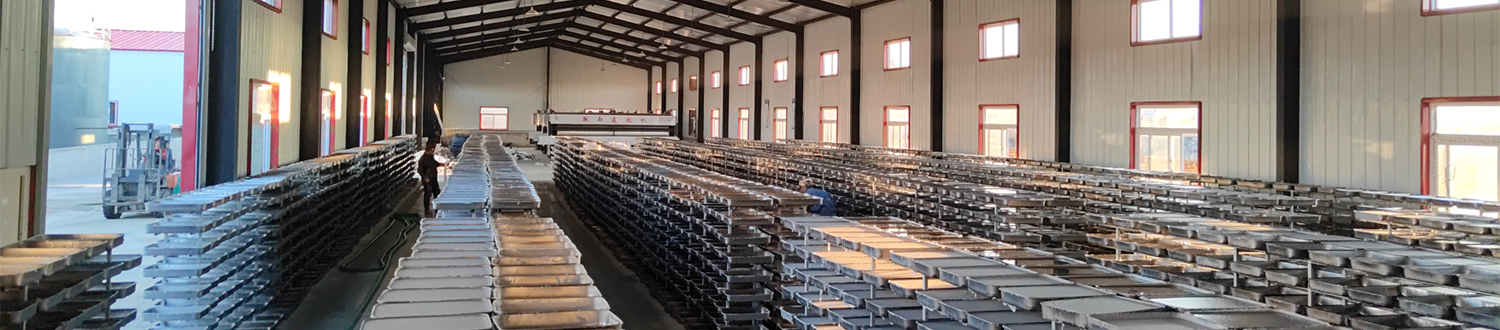
In addition to offering fully refined paraffin wax in various specifications, Junda Wax is continuously optimizing its export packaging and transport stability protocols. For instance, specifically for the long-distance maritime shipping routes to Europe, the company places a heightened focus on packaging stability within high-temperature environments, thereby mitigating the risks of softening, contamination, or deformation during transit.
Concurrently, an increasing number of European clients are gravitating toward "one-stop-shop" procurement solutions. This preference stems from the realization that, for candle manufacturers, the interplay between various inputs—paraffin wax, wicks, colorants, fragrances, and machinery—collectively influences the final product's environmental performance and burn stability. If these disparate materials are sourced from different suppliers, troubleshooting potential issues later in the process can become exceedingly complex. Consequently, many European buyers now prefer to select a single, comprehensive supplier capable of providing Candle Grade Paraffin Wax, wicks, colorants, candle-making machinery, and technical application support all under one roof. Junda Wax is actively working to refine its operations in this direction, aiming to offer not merely paraffin wax products, but also comprehensive assistance to clients in optimizing their entire candle manufacturing ecosystem.
Overall, the prevailing environmental trends in Europe do not simply call for a reduction in the use of paraffin wax; rather, they serve as a catalyst driving the entire paraffin industry toward higher standards of stability, purity, and regulatory compliance. What the European market truly requires in the future is not merely the lowest-priced paraffin, but rather "Candle Grade Paraffin Wax"—a product capable of consistently meeting the rigorous demands of high-end candle manufacturing over the long term, while simultaneously backed by a comprehensive system of certifications and technical support.
For export-oriented candle manufacturers, this actually presents a significant opportunity. As the European market imposes increasingly stringent standards regarding product quality and environmental sustainability, paraffin suppliers that genuinely possess reliable supply capabilities, robust certification support, and expert technical services will, in fact, become increasingly competitive. If you are currently seeking a fully refined paraffin solution better tailored to the European market, we invite you to contact Junda Wax at any time.
