
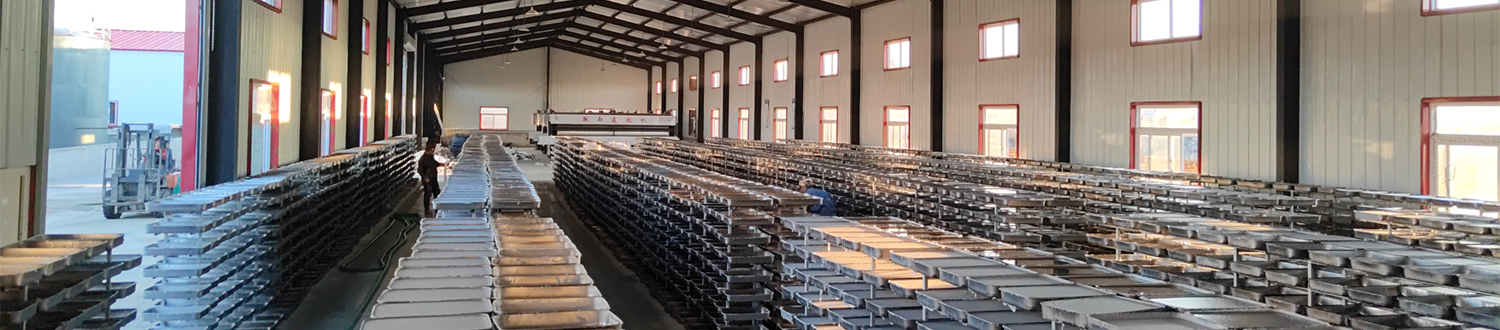
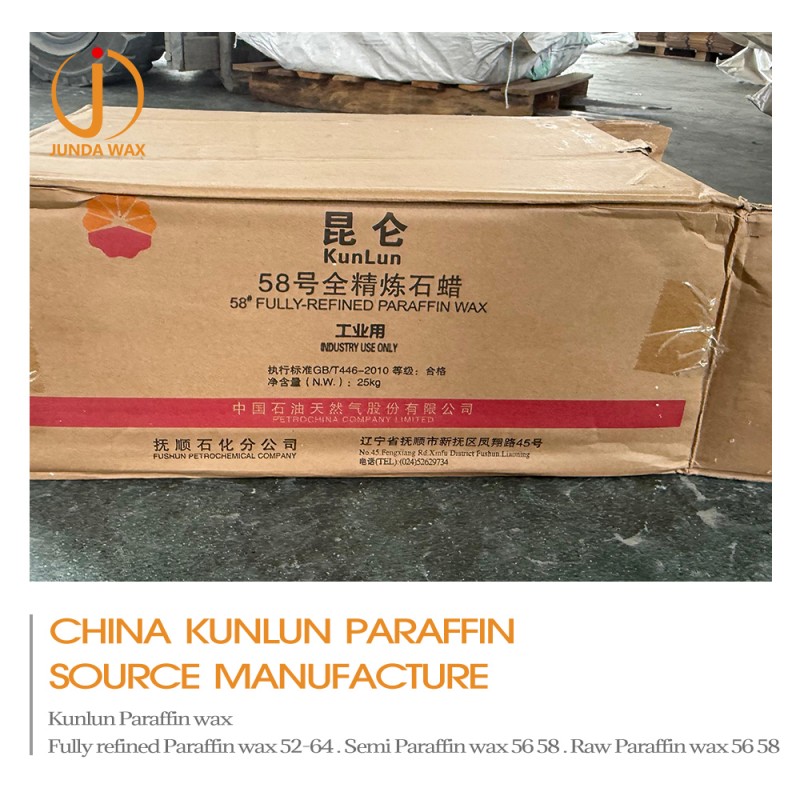
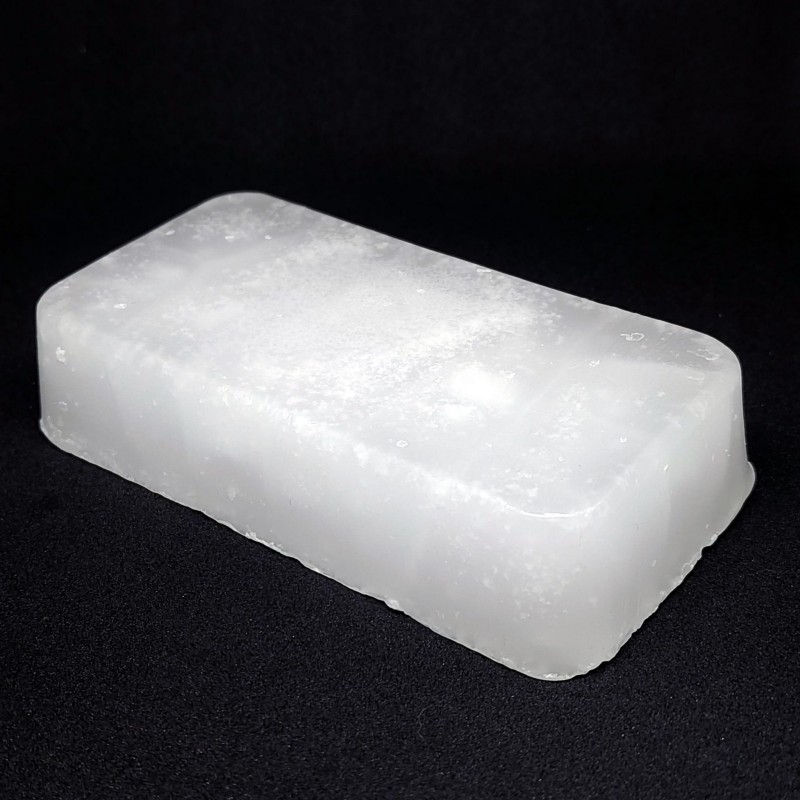
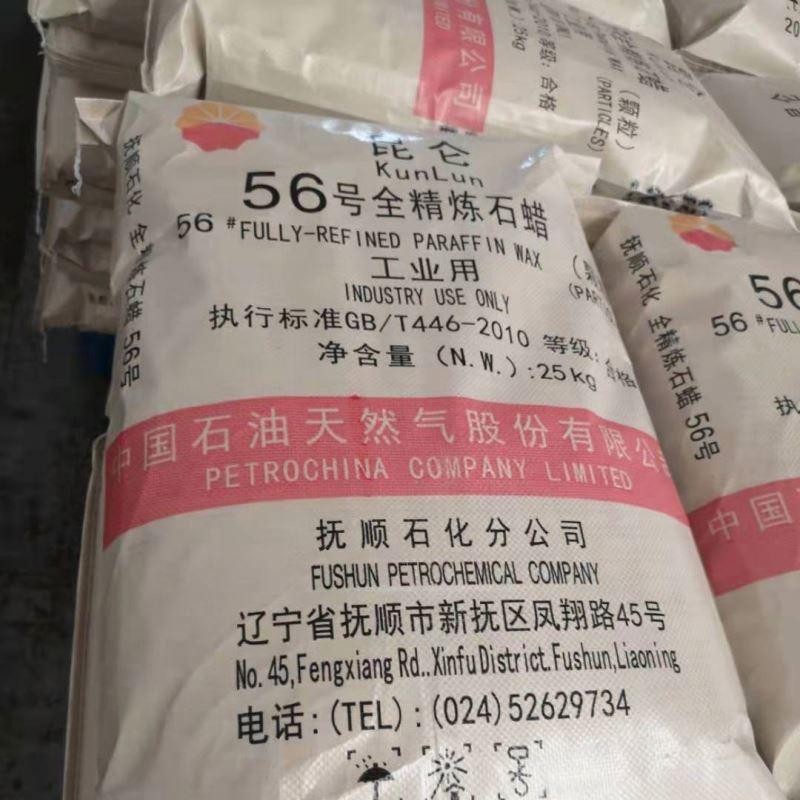
Among many types of candles, carved candles are considered one of the most demanding in terms of materials and craftsmanship. They are neither simple functional candles meant only for burning, nor decorative candles valued solely for their fragrance, but rather products with extremely high requirements for form, lines, and details. In the professional carved candle industry, fully refined paraffin wax has always been the mainstream choice. Junda Wax, in serving numerous carved candle clients, has focused on these practical issues, helping them stabilize their materials and processes step by step.
What are carved candles? Why are the requirements for paraffin wax so high?
Carved candles are not simply made by carving a few lines on the surface, but rather through multiple layers of wax, softening, cutting, and shaping to create petals, textures, layers, and even three-dimensional structures. This process means the candle repeatedly undergoes heating and cooling during production. If the wax performance is unstable, it can easily lead to cracking, collapsing, or blurred details during the process.
The reason fully refined paraffin wax is suitable for carved candles is its high purity and relatively uniform crystalline structure, resulting in more controllable behavior during heating and cooling. Junda Wax's carved candle clients in Europe, South America, and the Middle East almost always prioritize fully refined paraffin wax as the main material to ensure consistent feel during manual or semi-automatic carving for every batch of wax.
The Fundamental Advantages of Fully Refined Paraffin Wax in Candle Carving
From a material perspective, the biggest enemy of candle carving is impurities. Wax with many impurities is prone to stringing, fraying, and even cracking in detailed areas during cutting. Fully refined paraffin wax undergoes deep de-oiling and refining, resulting in a cleaner internal structure. When the wax is cut with tools or molds, the lines are sharper, which is especially important for creating complex patterns.
In addition, fully refined paraffin wax is naturally whiter and purer, leaving ample room for subsequent dyeing and multi-layer coloring. When Junda Wax provides materials to candle carving customers, they usually recommend suitable melting point and oil content ranges based on the complexity of the design and the size of the finished product, rather than simply providing a "general-purpose wax," which allows for better control during the actual carving process.

How does paraffin wax play a role in the candle carving process?
From a practical perspective, candle carving usually involves first creating a basic wax blank, then forming colored layers through multiple dips or coatings of wax, and then carving while the wax is still malleable. This window of opportunity is entirely determined by the properties of the paraffin wax.
If the wax's softening range is too narrow, it hardens too quickly, making the carving process very rushed; if the softening range is too wide, the wax is prone to overall deformation. The advantage of fully refined paraffin wax in this respect is that the softening process is relatively gradual, giving the operator sufficient time and space. When serving some hand-carved candle customers, Junda Wax also provides advice on the appropriate cooling rhythm and ambient temperature to help them stabilize this crucial time window.
Oil Content Control Determines the Cleanliness of Carving Details
Oil content is an often overlooked but crucial indicator in candle carving. While wax with a higher oil content feels softer, it is prone to surface stickiness and detail rebound during fine carving, causing the carved patterns to blur after a while.
The low oil content of fully refined paraffin wax results in more three-dimensional and long-lasting carved lines. Many of Junda Wax's candle carving customers ultimately control the oil content within a relatively stable range to ensure consistent results with each carving, rather than relying on experience to "force" the process. From manual to semi-automatic production, equipment and paraffin wax need to work in conjunction.
As the order volume for carved candles increases, many factories are shifting from purely manual to semi-automatic production. At this point, the stability of the paraffin wax becomes even more important, as the equipment has a lower tolerance for material variations.
Junda Wax provides fully refined paraffin wax and can also supply complementary candle production equipment and cooling systems, helping customers transform steps that previously relied on experience into more controllable processes. This one-stop solution of materials and equipment is often more convenient for customers looking to expand their carved candle production capacity.
Why do export markets prefer fully refined paraffin wax for carved candles?
In Europe, South America, and parts of the Middle East, carved candles are more often considered gifts and decorative items rather than consumables. This means customers have higher demands for appearance, detail, and consistency, and fully refined paraffin wax perfectly meets this need.
Junda Wax's carved candle products have been exported to multiple countries and regions, and customers generally report that the finished products are stable and have a low rework rate, which is an important reason why they are willing to cooperate long-term.
Conclusion: Good carved candles start with choosing the right paraffin wax.
Carved candles may seem like art, but behind them is a very "material-oriented" product. Fully refined paraffin wax provides a clean, stable, and controllable foundation, but what truly determines success is a comprehensive understanding of melting point, oil content, color, and process.
Junda Wax aims to provide not only fully refined paraffin wax itself, but a complete solution built around carved candles. From raw materials, wicks, and dyes to equipment and process recommendations, we help our customers produce candle products with better consistency. Please contact us via email for more professional candle production advice and guidelines.
