
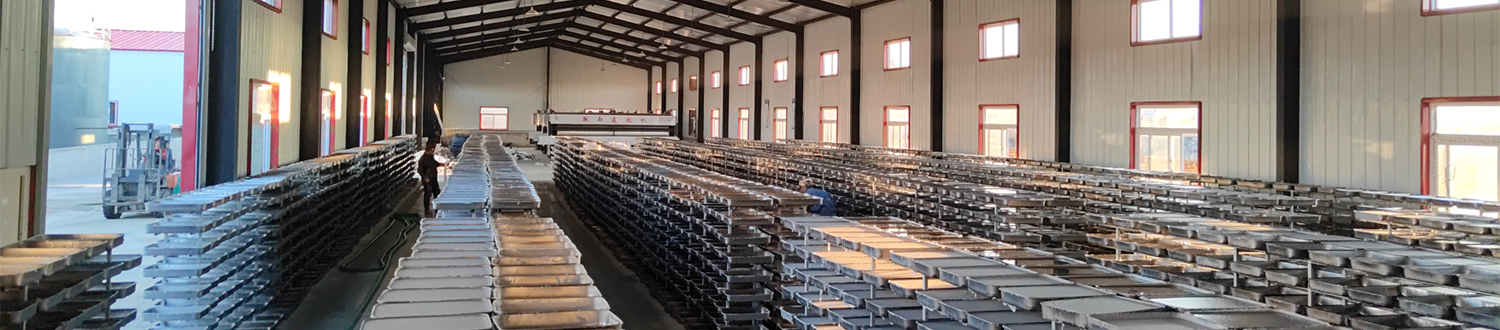
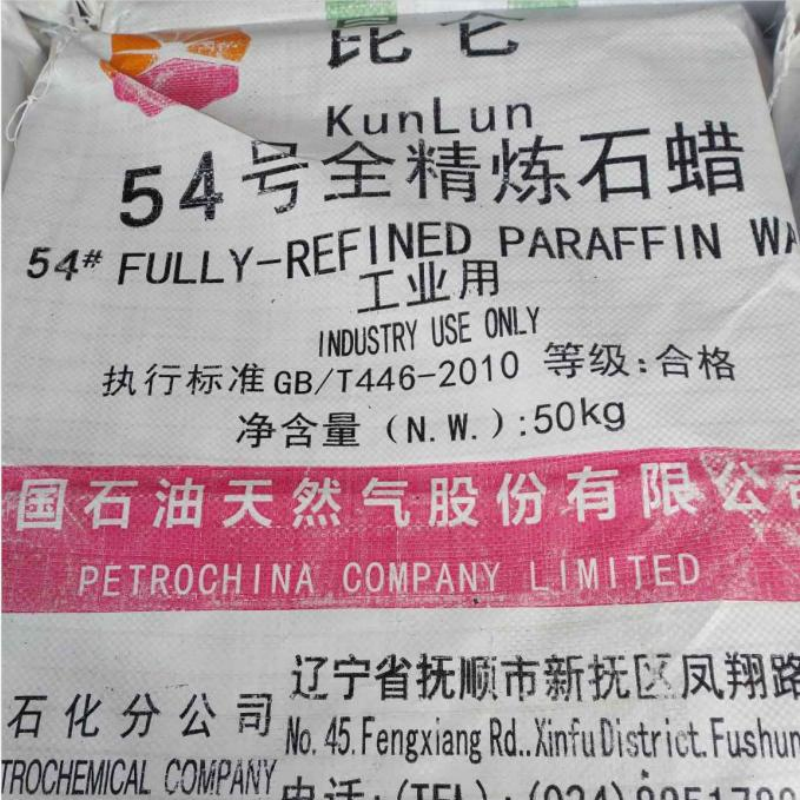
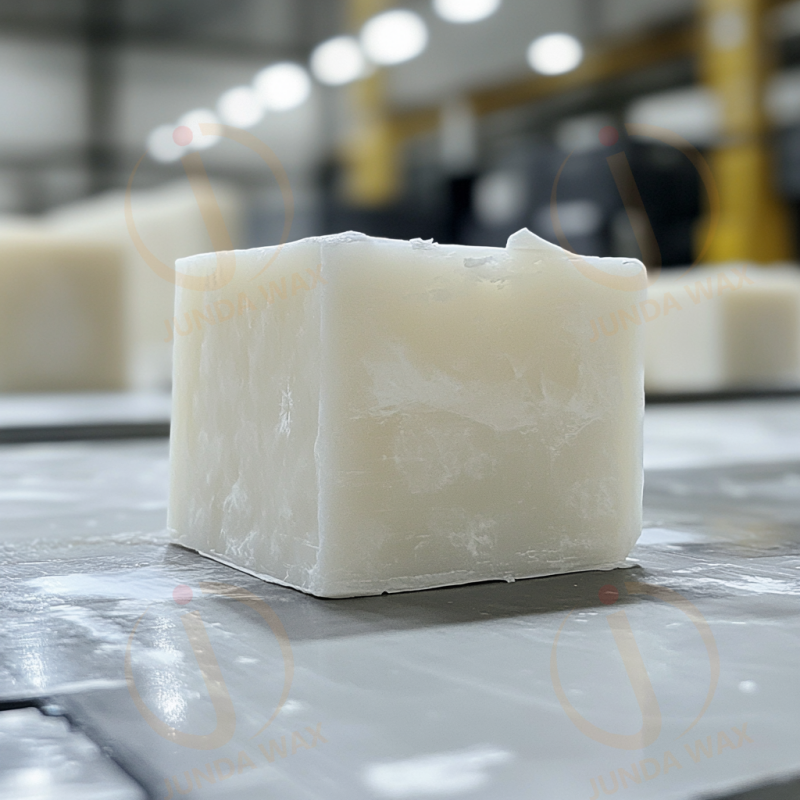
In the candle industry, crystallized texture candles and ice-crack candles have always been the kind of products that "catch the eye." Their textures resemble naturally formed snowflakes, frost patterns, and ice cracks, appearing particularly sophisticated and artistic. Many newcomers to the industry, upon first seeing these candles, immediately exclaim, "Wow, was that pattern sprayed on?" In fact, these patterns are entirely the natural crystallization structure of Fully Refined Paraffin Wax during cooling—the inherent charm of the material itself. The key to creating this natural and beautiful ice-crack pattern is choosing the right raw material—almost all factories that successfully mass-produce ice-crack candles use Fully Refined Paraffin Wax without exception.
Junda Wax exports candles to candle factories in Southeast Asia, the Middle East, South America, Africa, and Europe. Almost every customer making Crystal/Ice series candles believes that our fully refined paraffin wax-based Fully Refined Paraffin Wax is stable and has a beautiful texture. So, why is only Fully Refined Paraffin Wax suitable for ice-crack patterns?
I. What exactly are crystallized texture/ice-crack candles? Why are they so popular?
The allure of Crystal Candles and Ice Texture Candles lies in their visual effects, resembling "ice cracks," "crystallization," "mineral fractures," and "snow patterns." These effects all originate from the natural changes that occur when paraffin wax cools, making them particularly eye-catching in decorative settings and lighting environments. Consumers love these candles because they offer a unique handcrafted feel and can be customized with various colors and fragrances to create different styles, such as cool-toned ice textures for a Nordic aesthetic, colorful crystal textures for a festive look, and transparent ice textures for home fragrances.
In the European and American markets, they are used as home decorations; in the Middle Eastern market, they are often made into giant pillar candles for display in living rooms; and in the South American market, colorful ice texture festive candles are preferred. Almost every region has its own version, which is why ice texture candles have always maintained a "seemingly niche, but consistently popular in specialized factories" status.
II. Why Must Fully Refined Paraffin Wax Be Used to Make Ice-Crack Candles?
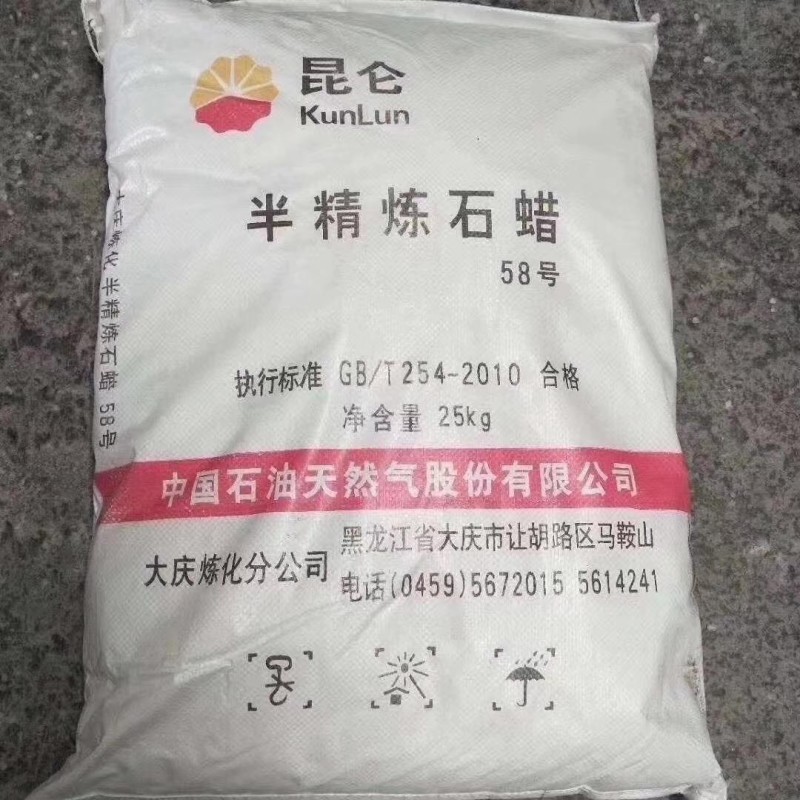
A common first mistake many new customers make is believing that "all paraffin waxes can be used to create ice-crack patterns." In fact, whether ice-crack patterns form depends entirely on the purity, oil content, and crystal structure of the paraffin wax itself. Refined paraffin wax candle has a low oil content, typically between 0.3% and 0.5%, a stable melting point range, and very few impurities. Therefore, during the cooling process, the crystal arrangement is more complete and clearer, naturally forming a beautiful "ice-crack" effect. Semi-refined paraffin wax has a high oil content and many impurities, making the wax cloudy and soft. After cooling, the crystals cannot form obvious textures, and the resulting candle looks like an ordinary column of wax, without any ice-flower-like patterns.
Refined paraffin wax candle has a relatively "clean" crystal structure, so the crystal growth during cooling exhibits directionality. This directionality is the source of the ice-crack pattern. If there are many impurities and a high oil content, the crystal structure will be damaged, resulting in a matte finish, a "stuck" or "uneven" appearance. Our customers exporting to Europe and Southeast Asia have been amazed by the sudden clarity of the texture after switching to lower-oil-content Refined paraffin wax candle. Some have even filmed videos to tell us, "Using your wax, I finally got the ice-like texture!" The stable melting point of Refined paraffin wax candle is a crucial factor in ensuring process control. Large fluctuations in the melting point will cause the texture to vary greatly in size and coarseness, resulting in poor product consistency. Inconsistency is the biggest concern in ice-like candle production, because if customers only look at a few candles on the shelf and the texture is inconsistent, it will affect sales.
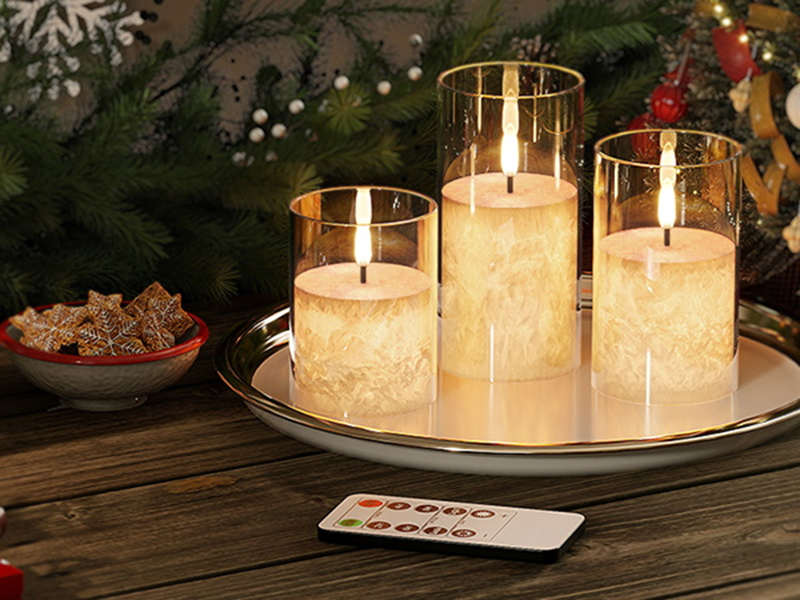
III. How are ice-patterned candles made?
While many factories shroud ice-patterned candles in mystery, their production logic is actually quite straightforward: first, Refined paraffin wax candle is heated and melted; then, the color is adjusted; next, it's poured into a mold; the cooling rate is controlled to create the texture; finally, it's demolded. The real skill lies in the cooling process.
During the melting stage, Refined paraffin wax candle typically needs to be heated to around 80–90°C. This temperature range allows the crystal structure to fully open. Too high a temperature will disrupt the directionality of crystal growth; too low a temperature will make the texture indistinct. Transparency is also crucial when adjusting the color. The beauty of ice-patterned candles comes from their translucent crystalline structure, so the dye must be oil-soluble and not make the wax cloudy. Junda Wax frequently recommends several high-soluble candle dyes that are particularly suitable for ice-patterned candles, providing vibrant color without affecting the texture.
Once the cooling stage begins, all factors determining the final effect come into play. Faster cooling results in larger, more defined textures; slower cooling results in finer textures or even those that are almost invisible. The material of the mold is also crucial: metal molds dissipate heat quickly, resulting in a strong texture; silicone molds dissipate heat slowly, resulting in a softer texture. Climate differences between countries also affect the texture. For example, making ice-patterned candles in European winters is particularly easy; simply leaving them at room temperature will create super-clear ice patterns. However, in hot regions like Southeast Asia or the Middle East, air conditioning or cooling fans are necessary to ensure consistent results.
The demolding process is critical. Because the surface structure of ice-patterned candles is relatively brittle, they cannot be roughly pulled during demolding, and the mold must not be overheated, otherwise the textured surface will be easily scratched. Many customers use our provided release agent, which significantly improves the success rate of demolding.
IV. Junda Wax's One-Stop Solution for Crystal Wax Candles
Many clients initially only purchased Refined paraffin wax candle from us, but as their involvement in the crystal wax candle industry deepened, they discovered we could provide almost everything from raw materials to machinery. They then opted to have us set up their entire production line.
We not only supply Fully Refined Paraffin Wax, semi-refined paraffin wax, and microcrystalline wax in various melting point ranges, but also provide candle wicks, dyes, molds, release agents, fragrances, color fixatives, and all other materials needed for crystal wax candles. We also have a mature candle machinery supply capability, including column wax pouring machines, automatic cooling machines, tea wax machines, and wax pouring production lines. Whether it's a small family workshop or a large factory producing millions of candles annually, we can provide complete solutions tailored to your needs.
Many of our clients from the Philippines, Malaysia, Nigeria, Saudi Arabia, Brazil, and Turkey started by buying Fully Refined Paraffin Wax and have now directly sourced complete sets of materials and equipment from us. Their production lines are stable, easy to operate, and their output capacity has doubled. We have helped dozens of clients worldwide mass-produce crystal candles, with extensive experience in everything from colored and transparent crystal candles to scented ones. If you are considering developing a crystal candle series, or want clearer patterns and more consistent batches, we can provide you with suitable Refined paraffin wax candle melting points, formula suggestions, material supply, and machine matching based on your country's temperature, candle size, and production process—a one-stop solution for your product development. You can contact us via email RobyHuo@jundawax.com.
