
According to the latest industry survey report, the demand for scented candles is growing at a rate of approximately 10% annually, while traditional unscented candles maintain stable market demand in religious settings, everyday lighting, restaurants, and hotels. Although the two types of candles seem similar, their production processes differ significantly.
Junda wax helps you understand different candle production lines from a professional manufacturer's perspective, covering aspects such as raw materials, additives, processes, equipment, and quality testing.
I. Raw Material Differences:
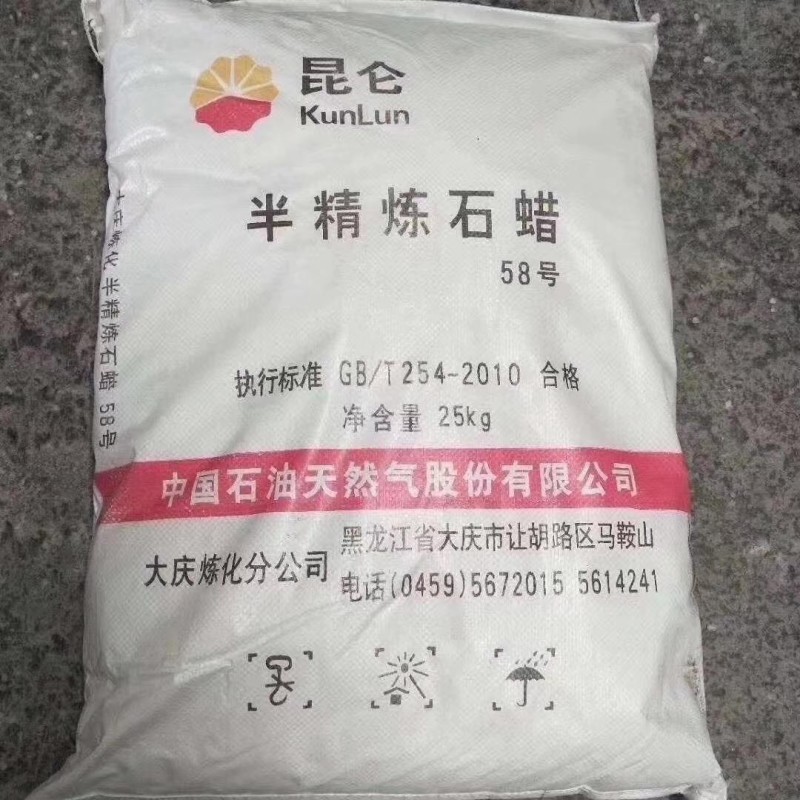
If we start by comparing the most basic raw materials, the difference between scented candles and ordinary unscented candles actually begins at the "wax selection" stage. Unscented candles use relatively simple raw materials; many factories choose semi-refined paraffin wax or ordinary refined paraffin wax. These types of paraffin wax are not as highly processed, but they are reasonably priced, have stable molding properties, and their burning performance meets basic requirements, making them particularly suitable for large-scale production of unscented candles for religious purposes, festivals, hotels, and household lighting.
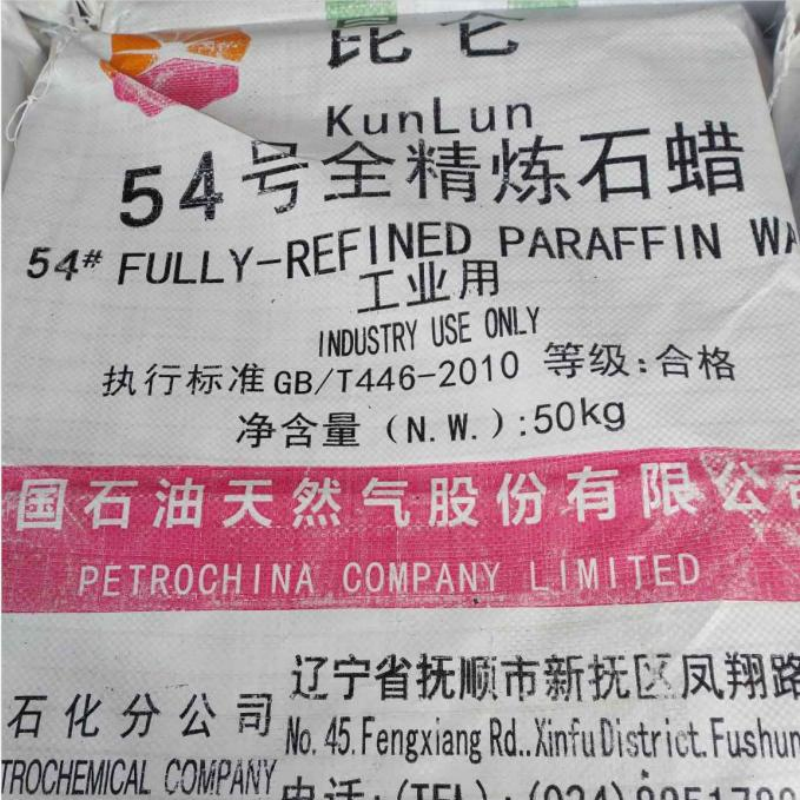
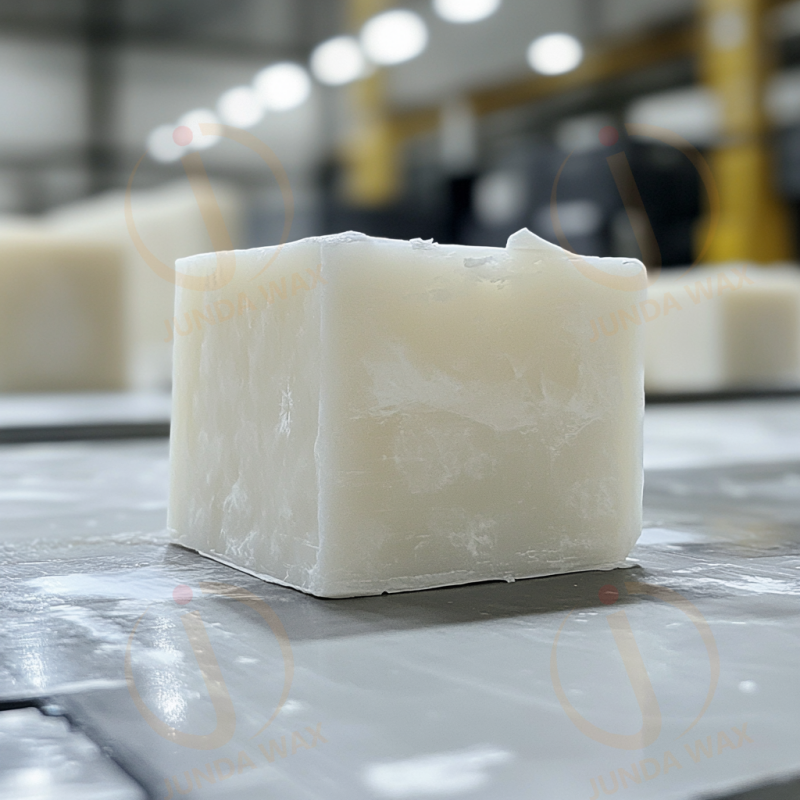
However, scented candles are completely different; they are very "picky" about the paraffin wax they use. Most common scented candles use Fully Refined Paraffin Wax, with an oil content typically of 0.5% or less. Fully Refined Paraffin Wax wax is whiter and purer, burns more cleanly, and is better suited to hold fragrance. If the quality of the paraffin wax is not good enough, adding fragrance can easily lead to a host of problems that result in customer complaints, such as "sweating," "oil separation," "layering," and "unstable scent."
Furthermore, an increasing number of international brands, especially those in the US, Canada, UK, and Germany, are adding plant-based waxes such as soy wax, coconut wax, and carnauba wax to their scented candles. These plant-based waxes offer several distinct advantages: slower burning, less smoke, a gentler fragrance, and are natural, environmentally friendly, aligning with international consumers' preference for sustainable products.
Junda wax's ability to consistently export fully refined paraffin wax to North America, Europe, the Middle East, and Southeast Asia stems from the high purity, low impurity content, and white color of our Fully Refined Paraffin Wax raw materials, along with their excellent compatibility with fragrances and dyes. This is particularly beneficial for scented candle manufacturers, whose primary concerns are the candle's scent and color. Many customers have reported that candles made with our Fully Refined Paraffin Wax are less prone to oil separation and have a more evenly distributed fragrance. Because of these characteristics, Junda wax's Fully Refined Paraffin Wax has been designated as a long-term supplier by numerous brands, with some even directly partnering with us to support their scented candle production lines.
II. Differences in Wax Wicks:
Many people believe that as long as they have wax, fragrance, and a container, they can make scented candles. However, the wax wick is also crucial for a candle to burn stably, release its fragrance effectively, and form a uniform molten pool.
Choosing the wick for unscented candles is relatively simple. Generally, you just need to choose the appropriate size based on the candle's diameter and material. For example, for religious candles, columnar candles, and tea candles, ordinary cotton wicks are sufficient for most occasions, and the manufacturing process is forgiving, with minimal chance of burning problems.
But scented candles are a completely different story. Because the addition of fragrances and plant waxes alters the original ignition point, viscosity, and melting point, choosing the wrong wick can immediately lead to a host of annoying problems, such as: uneven burning in the center, resulting in a sunken area; the candle burning too quickly and producing black smoke; the fragrance not dissipating; the flame flickering and unstable; and half the wax remaining unmelted, resulting in wasted wax.
Therefore, scented candles typically use:
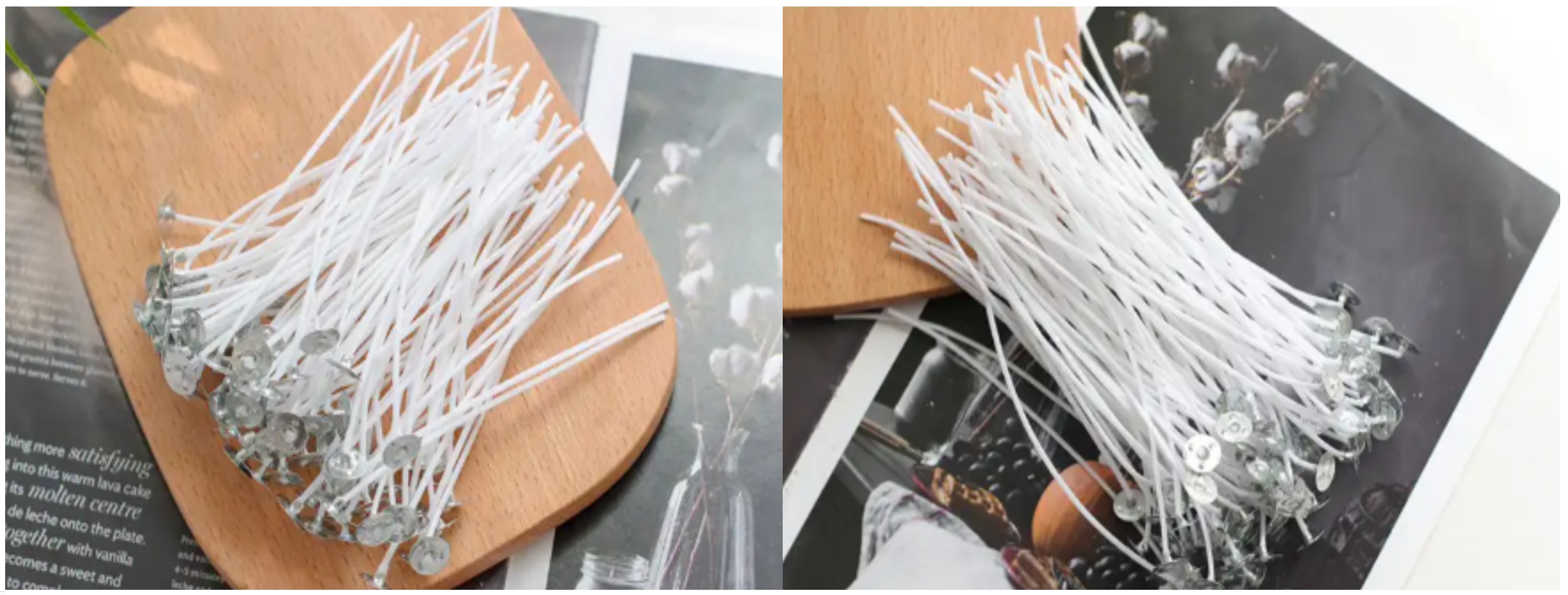
Thickened cotton wicks (to ensure sufficient heat);
Smokeless, shape-setting wicks (to reduce black smoke and remelting);
Wood wicks (suitable for European and American style candles, offering a more beautiful flame and a more appealing crackling sound).
Junda wax offers a comprehensive range of wicks, from regular cotton to wood wicks, and can be fitted with metal bases and shaped. Many of our clients prefer our wicks due to their high stability and suitability for various fragrances. Many export clients also ask us to recommend wick sizes suitable for different wax formulas, reducing trial-and-error costs.
III. Fragrance Addition:
Fragrance is the soul of scented candles, and also the part most prone to mistakes. Unscented candles don't require fragrance, making the process clean, simple, and efficient. However, adding fragrance to scented candles requires strict control of temperature, proportions, and mixing methods; otherwise, various problems will arise:
If the temperature is too high when adding fragrance, half of it will evaporate, resulting in a very weak scent after the candle is set and lit, leaving a poor user experience.
If the temperature is too low when adding fragrance, it may settle, separate, or become cloudy, resulting in an uneven scent after the candle is lit, discouraging repeat purchases. Insufficient stirring when adding fragrance will cause inconsistencies between the cold and hot scents.
If the fragrance proportion is too high when adding fragrance, the candle will be difficult to light, may even produce black smoke, or separate oil, which is a significant failure for a scented candle, especially one intended for a sophisticated atmosphere.
Generally, the optimal addition temperature for most fragrances is 55℃–65℃, and sufficient stirring time is essential to ensure complete blending of the fragrance and wax. Many of Junda wax's clients are export-oriented factories. They all say that our Fully Refined Paraffin Wax-grade and plant-based wax system has excellent compatibility with fragrances. Even with 6%–10% fragrance added, it's not prone to oil separation or white spots, making it ideal for high-end scented candles. Junda also supplies a variety of candle fragrances and dyes, which work even better when used with paraffin wax, making it very convenient for customers who want one-stop sourcing.
IV. Quality Control:
Quality testing for scented candles involves numerous technical aspects. The most basic is the "cold fragrance" test, which measures the intensity of the candle's scent before lighting, as the first whiff upon opening the candle largely determines a consumer's initial impression. The "hot fragrance" test is even more crucial, determining whether the scent diffuses quickly and sustainably after lighting.
To ensure consistent fragrance, the stability of the fragrance oil must be tested to confirm that it won't fade or change flavor after prolonged storage or high-temperature transportation. Furthermore, whether the wax system separates oil or sweats is an important indicator of the wax-fragrance compatibility. Oil leakage not only affects appearance but can also mislead consumers into believing the candle has spoiled. For cup candles, it's essential to test whether the wax adheres firmly to the cup wall, preventing detachment or voids that make the finished product look less refined. The burning performance is equally important; for example, whether the wax melts evenly affects the user experience. Whether the wick strays or is off-center directly impacts burning stability; even slight deviations can cause the cup wall to blacken. Finally, the presence or absence of black smoke is also a mandatory test item, as black smoke often indicates unstable formula ratios, affecting both air quality and the user's overall impression of the brand. Because of these rigorous tests, many European and American clients request paraffin systems compatible with specific fragrances to ensure more stable and sophisticated scent release. Junda wax's Fully Refined Paraffin Wax-rated products and corresponding candles undergo strict quality testing before leaving the factory to ensure high quality and no issues during use.
V. Equipment Requirements:
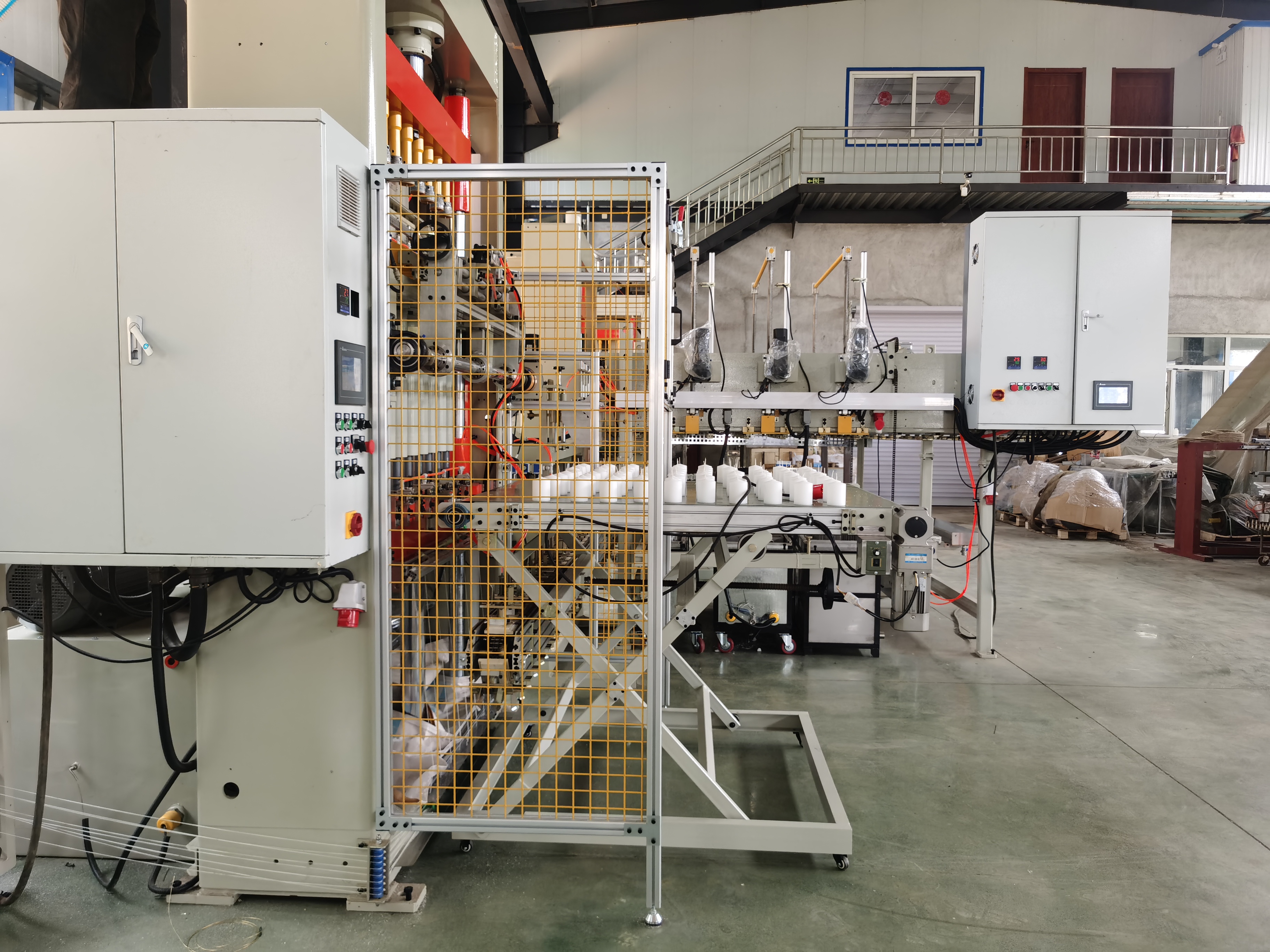
The overall pace of a scentless candle workshop is relatively fast, and the equipment is more traditional and easier to learn. Many workers can start working immediately after simple training. Because the process of scentless candles is relatively stable, common equipment includes ordinary wax melting tanks, semi-automatic pouring machines, simple molding machines, small wick cutting devices, and some manual assembly tables. This equipment not only requires low investment and is easy to maintain, but is also particularly suitable for large-volume, high-efficiency orders. Many factories that want to increase production capacity but have limited budgets choose this configuration.
A scented candle workshop, on the other hand, is a completely different experience, more like a "semi-laboratory." Because fragrances are very sensitive to temperature and affect the state of the wax, the entire production process requires more precise and controllable equipment. For example, a precisely temperature-controlled wax melting tank, with a temperature difference controlled within ±1℃, ensures that the fragrance is added at the appropriate temperature. An automatic stirring system is also crucial, allowing the fragrance and wax to blend more evenly and preventing separation or settling. More professional options include scented candle filling machines that can monitor temperature in real time and adjust the filling speed according to different waxes. For factories producing large quantities of cup candles, automated cup candle filling lines greatly improve stability. Combined with wax column shaping machines, automatic wick measuring, labeling, and packaging equipment, they essentially enable a streamlined production line from raw materials to finished products.
The significance of this equipment is simple: it transforms the originally complex and error-prone process of scented candle making into a stable, repeatable, and standardized production process. This is especially important for scented candle factories preparing for export or large orders; without this specialized equipment, it's difficult to guarantee a high yield rate.
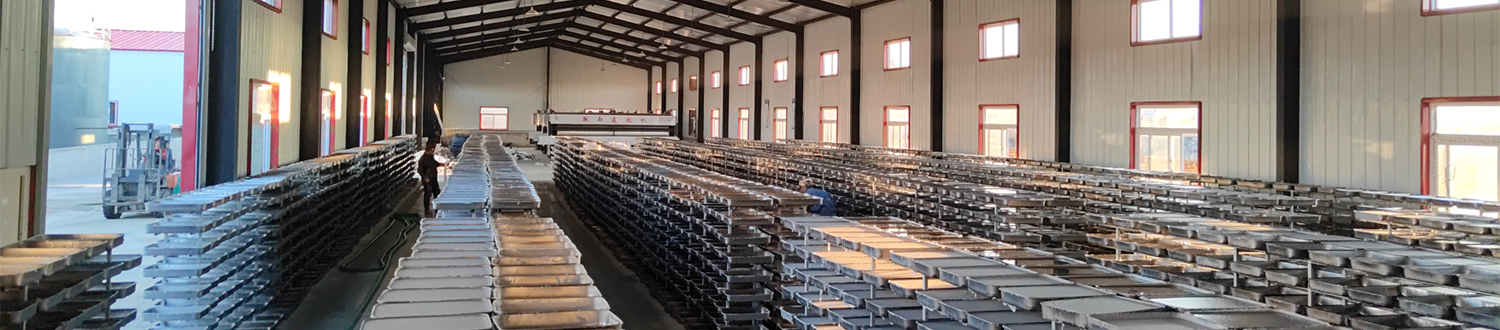
Besides exporting Fully Refined Paraffin Wax grade and plant-based waxes, Junda Wax also supplies candle production equipment, including complete solutions such as wax melting tanks, pouring machines, and cup wax production lines. Many new factories preparing to enter the scented candle market, or customers looking to expand their production lines, directly contact us for one-stop solutions combining raw materials and equipment. This not only reduces procurement costs but also makes it easier to quickly establish production capacity.
Actually, there are some differences between the raw materials, production processes, and precautions for regular candles and scented candles. This simple informational article from Junda Wax aims to help you understand more. If you need Fully Refined Paraffin Wax grade or other materials used in candle production, such as wax thread, dyes, and manufacturing machinery, Junda Wax can provide them. Please contact us at RobyHuo@jundawax.com, and you are welcome to visit our factory.
