
1. Paraffin Wax: The Industry Standard
Overview:
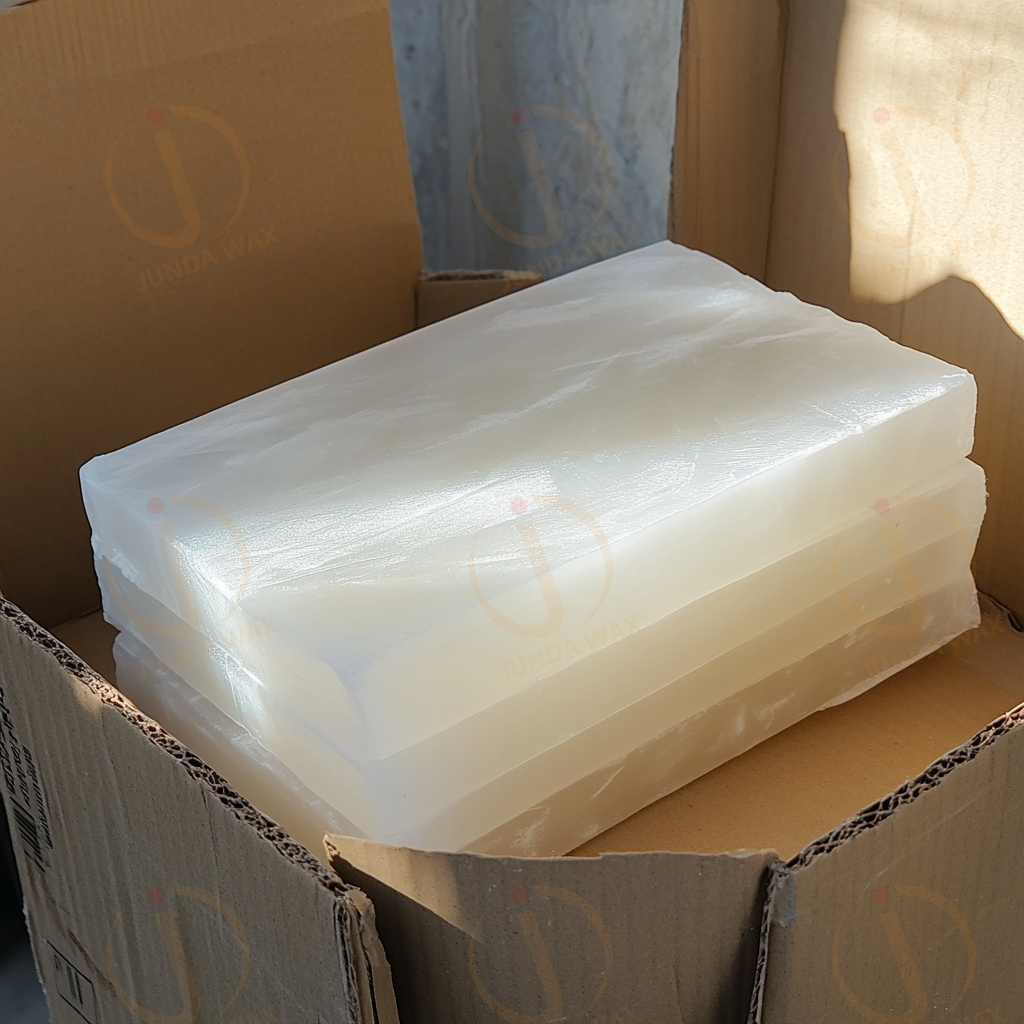
Paraffin wax remains the most widely used candle material globally, accounting for over 70% of commercial candles. Derived from petroleum refining, its adaptability makes it irreplaceable.
Key Characteristics:
High Density: Our paraffin wax formulation achieves >0.9 g/cm³ density, ensuring stability in pillar candles.
Melting Point Range: 46–68°C (customizable via additives like stearic acid)
Scent Retention: Superior fragrance load (up to 12%) compared to soy wax
New Content on Advantages:
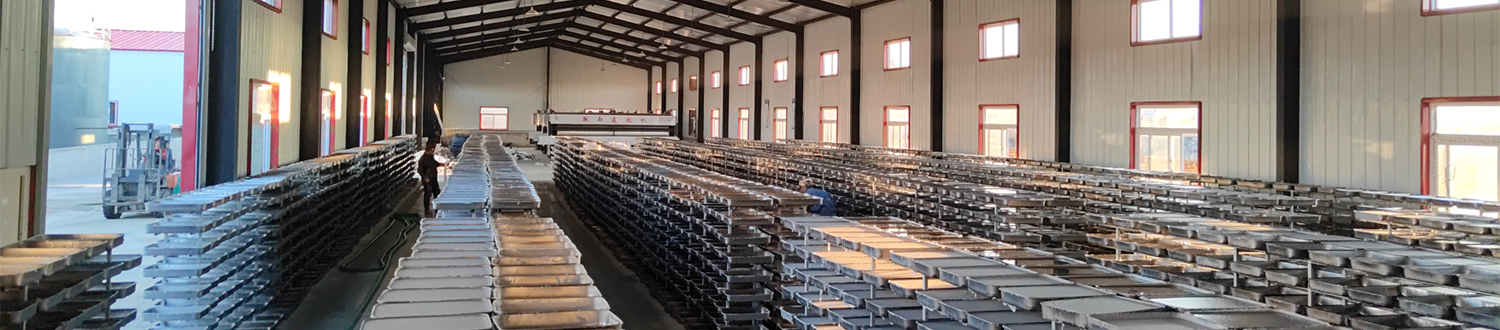
Production Scalability: Paraffin wax seamlessly adapts to both artisanal hand-pouring and high-speed automated lines, cutting production time by 40%.
Consistent Quality: Batch-to-batch uniformity minimizes defects like cracking or sinkholes, a common issue with plant-based waxes.
Safety Profile: With a flashpoint >200°C, paraffin wax candles are 30% less prone to flare-ups than low-melting alternatives.
Why Choose Paraffin Wax?
✔ Cost-effective scalability for mass production
✔ Seamless blending with dyes and fragrances
Applications:
Layered Candles: Paraffin wax layers bond without cracking.
Embedded Designs: Holds decorative elements (e.g., dried flowers) securely.
Junda wax's Innovation:
Our ultra-refined paraffin wax passes CE certifications, reducing soot by 80% vs. conventional grades.
100% Recyclable Formula: Post-consumer paraffin wax can be remelted 3–5 times without performance loss.
2. Soy Wax: The Eco-Friendly Alternative
Overview:
While paraffin wax dominates industrial use, soy wax appeals to eco-conscious brands. However, paraffin wax outperforms soy in scent throw and structural integrity.
Key Limitations vs. Paraffin Wax:
Lower melting point (49–54°C) limits applications in hot climates
Requires blending with paraffin wax or additives to reduce frosting
3. Microcrystalline Wax: Paraffin Wax’s Reinforcer
Role in Candles:
Blended with paraffin wax (5–15%) to enhance flexibility and prevent cracking
Extends burn time of paraffin wax candles by up to 20%
4. Stearic Acid: The Paraffin Wax Enhancer
Synergy with Paraffin Wax:
Added to paraffin wax (5–30%) to increase opacity and hardness
Lowers shrinkage in paraffin wax pillar candles
5. Fischer-Tropsch Wax: The Premium Alternative
Comparison with Paraffin Wax:
Higher cost (2–3× paraffin wax) limits usage to luxury lines
Used alongside paraffin wax in tropical climates for heat resistance
Material Comparison: Why Paraffin Wax Reigns Supreme

Expert Tips for Optimizing Paraffin Wax
Add 8% Stearic Acid to reduce shrinkage and boost hardness.
Blend with 5% Microcrystalline Wax for outdoor candle durability.
Use Our FT-108 Additive to stabilize paraffin wax in temperatures >40°C.
Free Sample Offer: Test our paraffin wax blend for your next candle line!
