
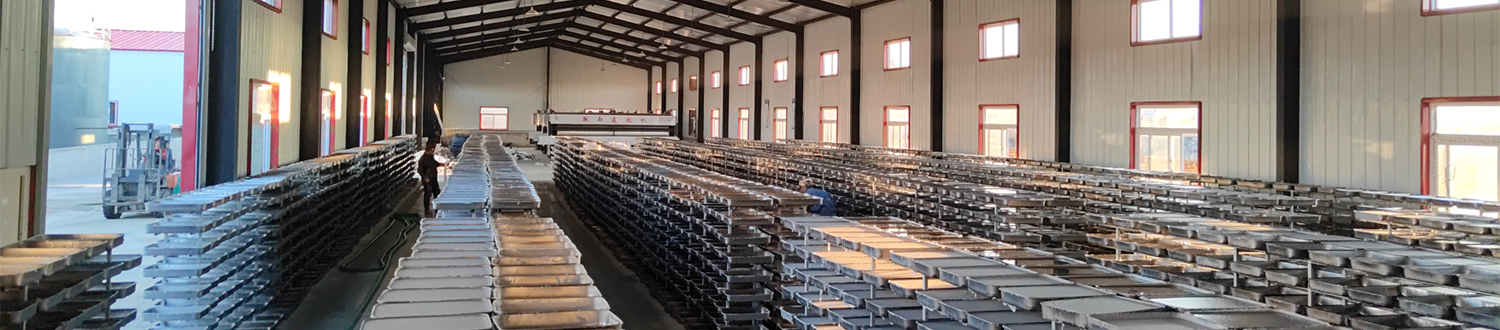
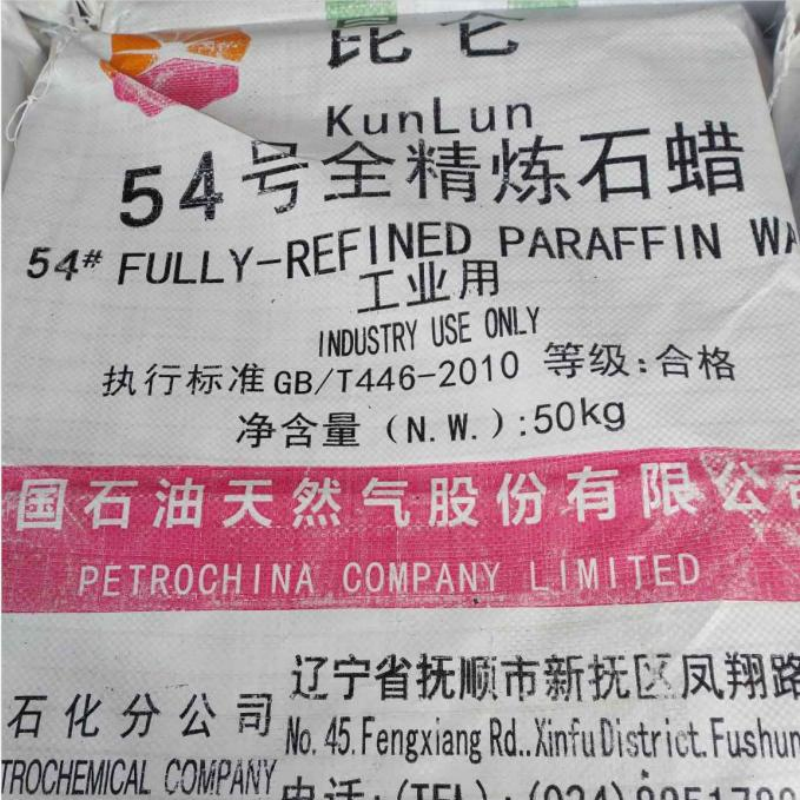
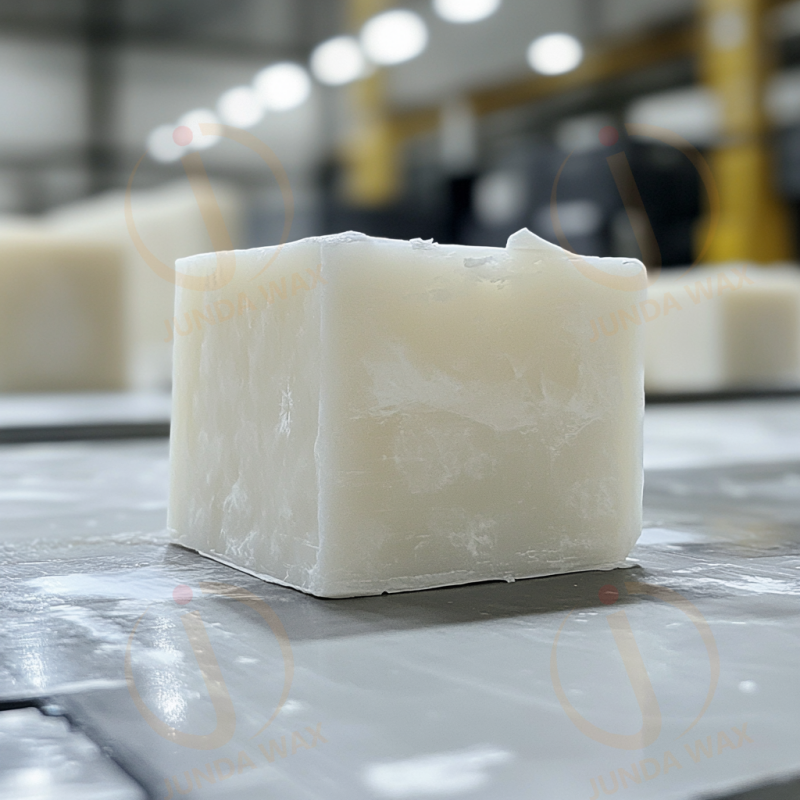
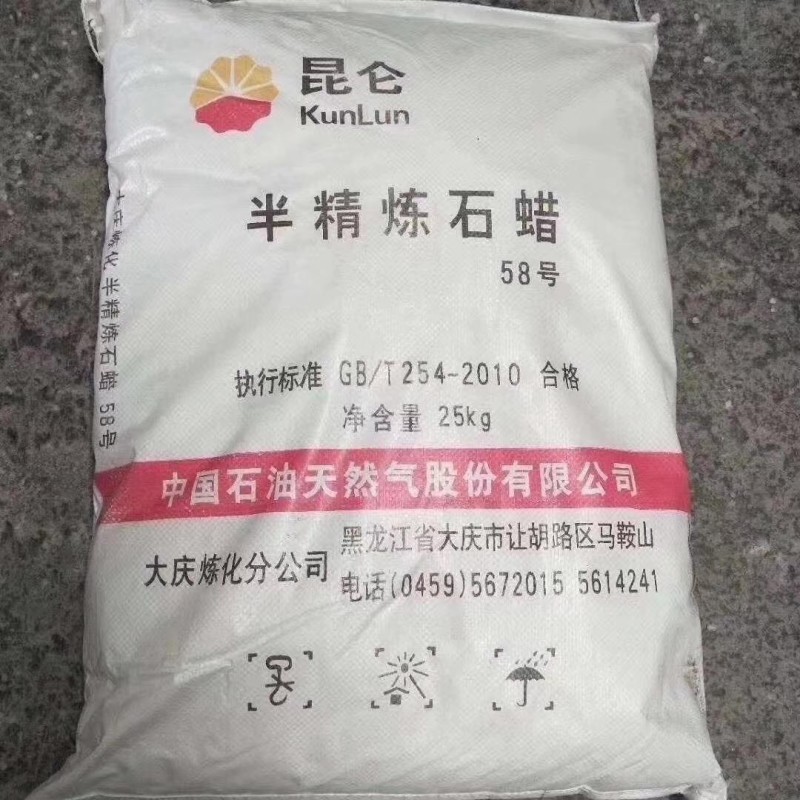
In the candle industry, "oil content" is an unavoidable key indicator, especially when discussing Fully Refined Paraffin Wax. It subtly affects a candle's hardness, burning performance, appearance stability, and even fragrance diffusion. Many candle makers may only focus on the melting point, overlooking the fact that the oil content of Fully Refined Paraffin Wax also determines candle quality. Starting with commonly used candle raw materials, we'll guide you step-by-step to understand what oil content can change and how to choose the right Fully Refined Paraffin Wax for your production needs. We'll also explain why we've become a long-term supplier to candle factories in many countries worldwide: Junda Wax not only provides fully refined paraffin wax but also offers a one-stop service for candle factories, including wax threads, dyes, fragrances, and various candle production machines.
I. Commonly Used Raw Materials for Candles: Why Does Fully Refined Paraffin Wax Dominate?
While natural waxes such as soy wax, coconut wax, and beeswax are becoming increasingly popular, the true mainstay of the global candle market remains paraffin wax, with Fully Refined Paraffin Wax being the most core grade. The reason is quite simple: Fully Refined Paraffin Wax is highly pure, white in color, has few impurities, a light odor, and is highly compatible with various materials. It's also more affordable than natural wax, making it particularly suitable for large-scale standardized production. From scented candles and colored candles to white pillar candles and prayer candles, fully refined paraffin wax is virtually versatile, like a perfect blank canvas, allowing for consistent results regardless of color, fragrance, or shape. Among the various indicators of Fully Refined Paraffin Wax, oil content is one of the key factors determining whether it can produce a "good candle."
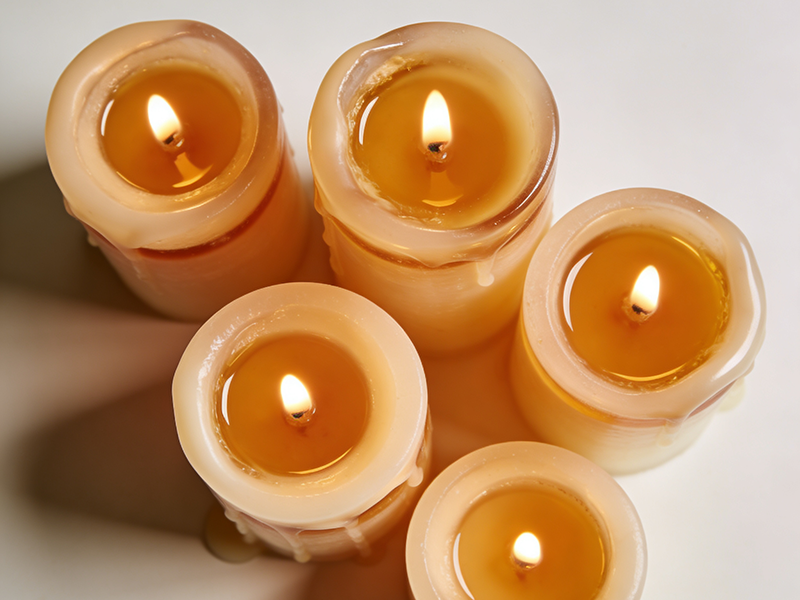
II. What is Oil Content? Why Does It Have Such a Significant Impact?
Oil content refers to the amount of liquid oil remaining in fully paraffin wax 58-60. The cleaner and more refined the paraffin wax, the lower its oil content; conversely, less refined paraffin wax contains more oil and may even appear somewhat "greasy." Typically, the oil content of fully paraffin wax 58-60 is controlled between 0.5% and 2%, while high-quality paraffin wax generally falls between 0.5% and 1%. This range is the most commonly used standard for most premium candles and scented candles. Some cheaper paraffin waxes on the market may have an oil content of 3% to 5%, appearing slippery, but often causing numerous problems in candle making, such as easy seepage, poor shaping, and unstable color. Because of its oil content, it directly affects various aspects of a candle, from its hardness and appearance stability to its burning performance, making it a parameter that should not be taken lightly.
III. The Impact of Oil Content on Candle Hardness and Appearance Stability
Oil content not only affects the "cleanliness" of the paraffin wax itself, but it also directly impacts the candle's hardness and appearance stability. Generally, the lower the oil content, the harder the candle, and the less likely it is to deform after shaping. Paraffin wax with a higher oil content makes the candle softer, even slightly sticky to the touch. Don't underestimate this difference in hardness; it has a significant impact on the finished candle. For example, using low-oil-content fully paraffin wax 58-60 for column candles, craft candles, blessing candles, or handmade candles requiring sculpting results in a noticeably more pressure-resistant and robust wax, less prone to deformation during transport. While high-oil-content paraffin wax is generally fine for bottled candles, it easily leads to softness or a sticky surface when used for column candles, especially in summer or during long-distance sea transport. In some cases, the entire candle may even clump together, a nightmare for exporters. Junda Wax understands this particularly well when supplying customers in South America, the Middle East, Southeast Asia, and Africa, where temperatures are high year-round, and even slightly softer paraffin wax can be damaged in containers. Therefore, many customers prefer fully paraffin wax 58-60 produced by Junda Wax with an oil content controlled between 0.8% and 1.0%. Paraffin wax in this range has stable hardness, better high-temperature resistance, and generally eliminates concerns about deformation during transportation.
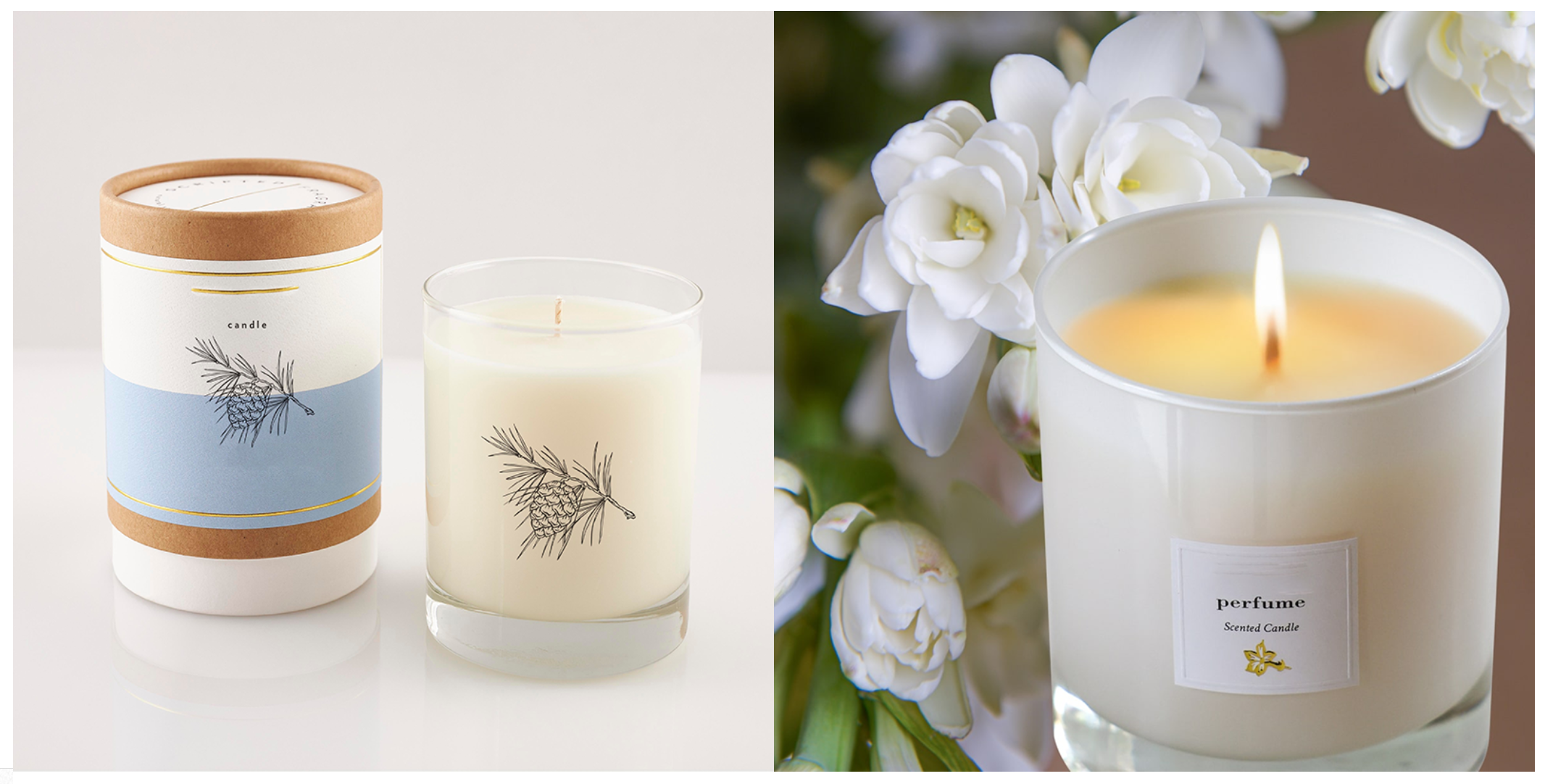
IV. The Impact of Oil Content on Fragrance Diffusion
In the scented candle industry, oil content affects more than just the candle's hardness; it also determines whether the fragrance can effectively diffuse. Fully paraffin wax 58-60 with low oil content is harder and denser, offering excellent fragrance retention. However, due to its more compact structure, the fragrance evaporates more slowly, resulting in a softer, more gradual release of aroma. Paraffin wax with slightly higher oil content is significantly more "open," allowing the fragrance to evaporate more easily in the molten pool. This leads to faster diffusion and a more noticeable scent, but it can also cause oil separation, unstable wax surfaces, and even oil spots. Therefore, many scented candle brands choose fully paraffin wax 58-60 with an oil content between 0.8% and 1.2% as the base material. This range allows the wax to stably hold the fragrance without frequently causing oil spots or separation. Junda Wax's "scented candle paraffin wax" exported to Europe and America also falls within this oil content range. This is because the fragrance content used there is generally higher (mostly 6%-10%). A wax that is too hard will lead to uneven fragrance mixing and poor diffusion later on. Conversely, a high oil content can easily cause oil seepage during transportation. Therefore, maintaining this golden range ensures just the right balance of stability and diffusion performance.
At this point, we've covered most of the core and fundamental issues regarding candle raw materials: why fully paraffin wax 58-60 is the mainstream, what exactly is oil content, and how it affects the candle's hardness, appearance, and fragrance diffusion. These topics may seem simple, but they are actually the underlying logic for making a good candle. Many people who have been in the candle industry for years only realize that unstable products, uneven fragrance, and oil seepage are often caused by incorrect raw material specifications.
And what follows are the key factors that truly influence whether a candle will sell well. In the next article, Junda Wax will delve into three more highly practical topics: how oil content affects burn time and flame performance, why colored candles are more sensitive to oil content, and how we provide a one-stop service for customizing paraffin wax formulas for different clients and markets. If you want to further understand the intricacies of candle production, be sure to follow our subsequent articles, where we will discuss these topics in more detail.
