
I. What are the main raw materials for column candles?
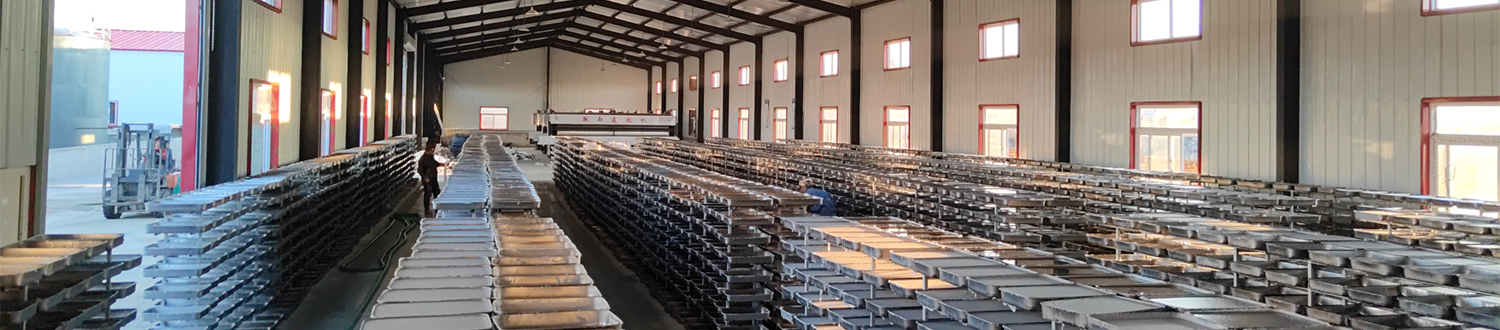
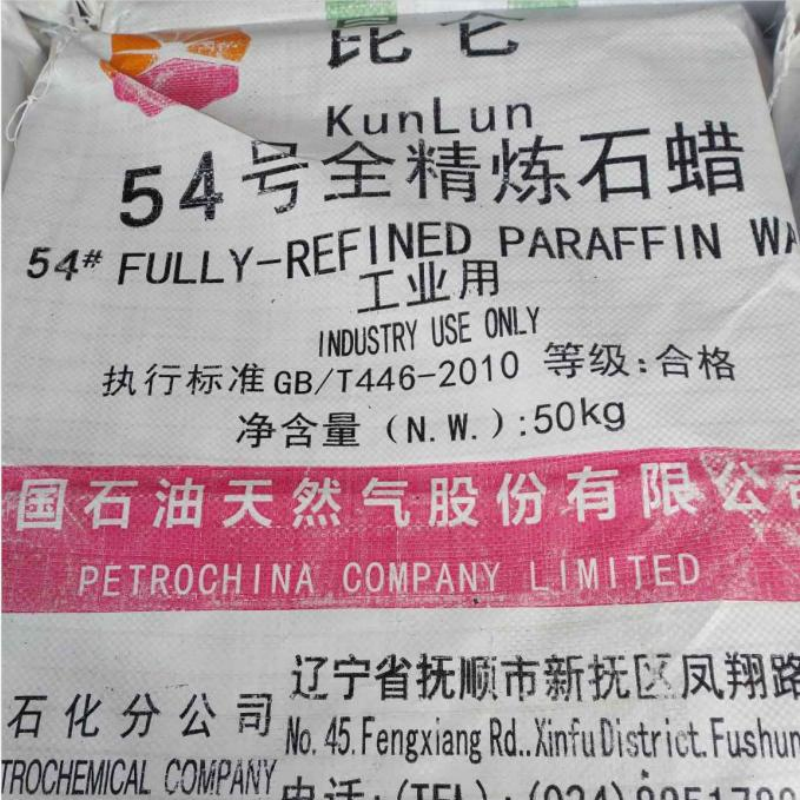
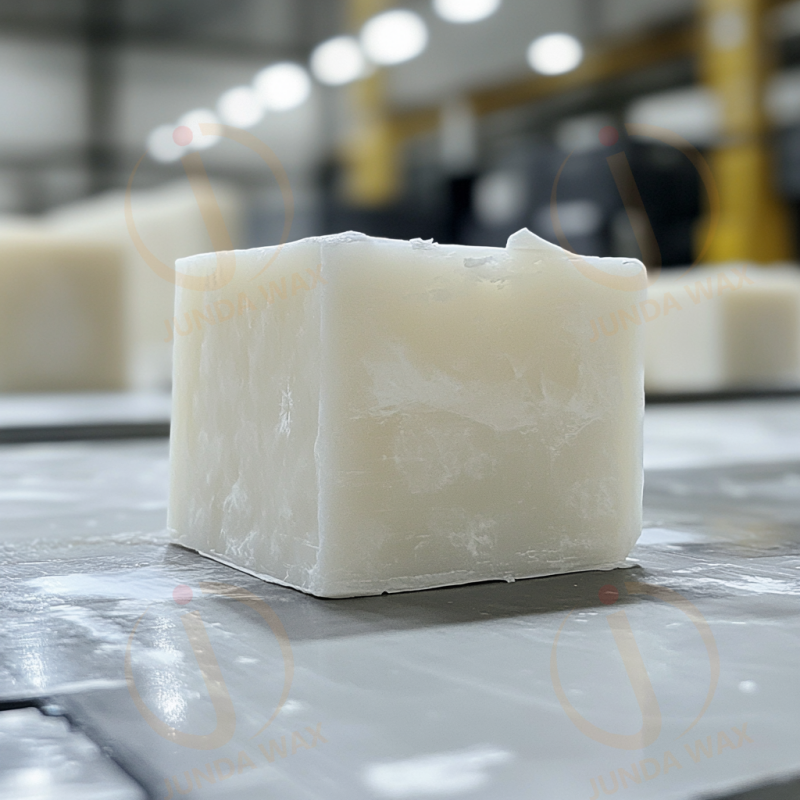
Among all candle categories, column candles may seem simple, but they actually have very strict requirements for raw materials. Unlike canned candles, which are protected by glass containers, column candles rely on their own hardness and structure to stand stably and burn well. Therefore, Paraffin Wax Fully Refined is commonly used as the main raw material for column candles. This type of paraffin wax has a clean color, high purity, and low oil content, making it the first choice for manufacturing high-quality column candles. Whether a column candle can stand up beautifully, have a smooth surface, and burn stably largely depends on the quality of this basic raw material. In addition to Paraffin Wax Fully Refined, column candles also need to be paired with suitable wicks, such as cotton wicks, paper wicks, or wood wicks. Column candle wicks are usually harder than canned candles because they are completely exposed to the air when burning, requiring stable flame support and sustained wax absorption. To achieve specific visual or fragrance effects, candle dyes and a small amount of fragrance can also be added, especially for festive and religious candles, which require even higher color vibrancy. Some factories also use release agents or cooling aids during the production process to make mass production more efficient and stable. When exporting to global customers, Junda Wax often supplies not only Paraffin Wax Fully Refined but also wicks, dyes, molds, and equipment. Many customers have gradually upgraded from purchasing only paraffin wax to obtaining a "one-stop solution" for the entire candle production line from us.
II. How are columnar candles made? Why are there higher requirements for the hardness and heat resistance of Paraffin Wax Fully Refined?
There are several methods for making columnar candles, each with specific requirements for the hardness and heat resistance of the Paraffin Wax Fully Refined. The most traditional method is mold casting, where molten Paraffin Wax Fully Refined is poured into a metal or plastic mold and left to cool and solidify. This seems simple, but if the paraffin wax is slightly soft, scratches, deformation, or even edge collapse will occur during demolding, significantly affecting the appearance of the finished product. Continuous extrusion is more common in industrial production, suitable for mass production of prayer candles and everyday candles from South America and Africa. This requires even higher hardness of the Paraffin Wax Fully Refined because the wax body must remain upright and unbent after high-speed extrusion. Another method is compression molding, which uses powdered wax to press into shape. While efficient, it has equally strict requirements for the consistency and melting point of the wax powder. Whether it's injection, extrusion, or compression molding, all processes point to the same core: the columnar wax needs to be a piece of Paraffin Wax Fully Refined that is "hard enough, firm enough, does not deform, and does not soften." Therefore, the melting point and oil content of Paraffin Wax Fully Refined determine the final molding quality from the very beginning. If Paraffin Wax Fully Refined is too soft, it will start to bend in the summer heat; if the oil content is too high, it will start to seep oil and become sticky after a short period of storage. So although the process flow is different, the requirements for paraffin wax are consistent—Fully Refined Paraffin Wax with a higher melting point must be selected.
III. Characteristics of Fully Refined Paraffin Wax: Why is it the best partner for column candles?
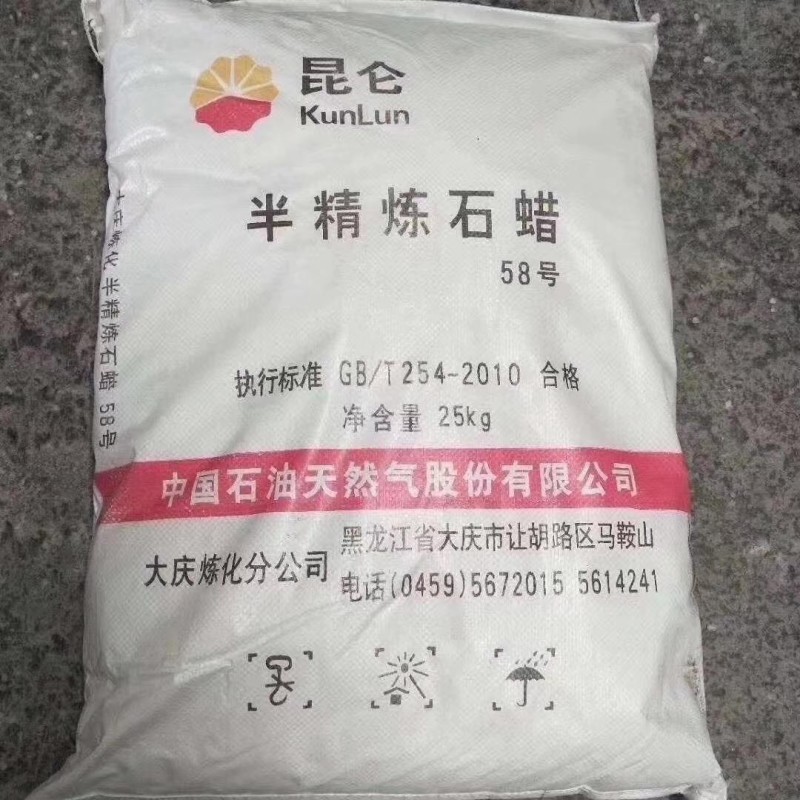
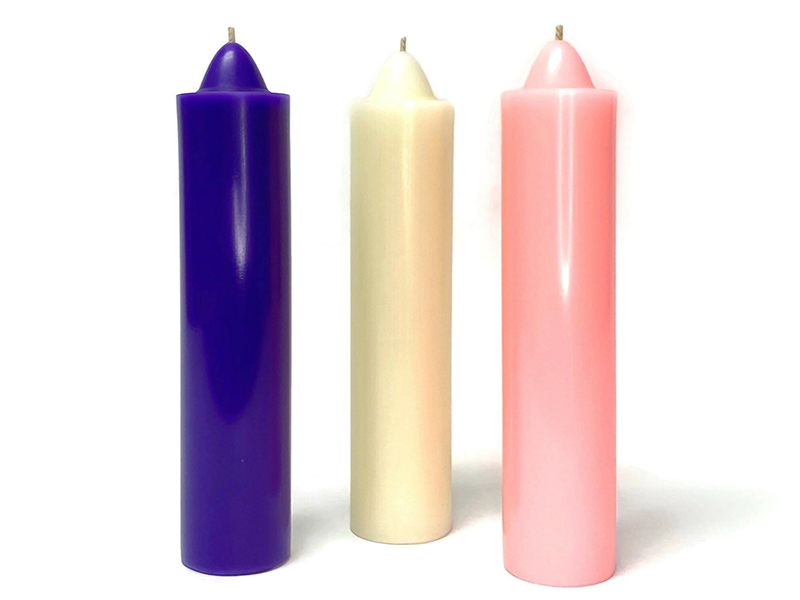
Fully Refined Paraffin Wax has become the mainstream raw material for column candles entirely because of its comprehensive natural advantages. Fully Refined Paraffin Wax has a very low oil content, generally controlled within the range of 0.5%–1%. The wax is hard but not brittle, with a clean, non-sticky surface and is not prone to oil seepage. This purity is particularly crucial for column candles, especially since the temperature in export countries is generally high. Fully Refined Paraffin Wax's low oil content allows the column candles to maintain their shape during high-temperature transportation. Fully Refined Paraffin Wax is white and has good transparency, resulting in purer colors in colored candles and maintaining a bright white without yellowing when used as white wax. Furthermore, it burns cleanly and stably without black smoke, making it especially popular in religious candles, long-night candles, and prayer candles that are burned continuously for several hours. Fully Refined Paraffin Wax has excellent molding strength, demolds smoothly after cooling, and the finished candle has a smooth surface and a three-dimensional shape, making it much more stable than semi-refined wax. These characteristics make it almost the standard raw material for columnar candle production worldwide, which explains why many European and Middle Eastern customers specify "Fully Refined Paraffin Wax Only" when placing orders.
At this point, Junda Wax, from the perspective of a professional candle manufacturer, has clearly explained the most basic yet crucial aspects of columnar candle production, from "why choose Fully Refined Paraffin Wax raw materials" to "why the manufacturing process is more demanding." Whether you're making candles yourself, supplying clients, or developing new products, understanding these underlying principles will make all the more technical details about melting point, oil content, and shaping performance much easier to grasp.
In the second article, we'll delve deeper into the core performance parameters of columnar candles—what changes do different melting points of Fully Refined Paraffin Wax bring? Why does oil content also subtly affect the shaping effect? Why do different countries have completely different melting point requirements?
If you want to learn more about the professional knowledge of wax used in columnar candles, or if you need to select materials or develop products, remember to follow our updates. The next article will be more in-depth and practical.
