
Candle making may seem simple, but in actual production, various problems are often encountered. Wax, as the most commonly used wax material, is widely used in various candle production due to its low price, good molding properties, and excellent coloring effect. However, if the selection or operation is improper, the finished products are prone to defects. This article sorts out several common problems and their causes, and provides corresponding solutions.
1. Uneven surface, with depressions or bumps
After the candle has solidified, the surface may show depressions, pits, or a rough texture, which is a relatively common phenomenon. This is mainly related to the physical properties of paraffin wax - paraffin wax is sensitive to temperature changes and has a large shrinkage rate. When the mold temperature is too high, the wax liquid cools and shrinks significantly, causing the bottom or center to easily become concave; if the environmental humidity is too high, the surface may develop a granular, uneven appearance.
Solution suggestion: Control the mold-injection temperature to avoid being too high or too low. For the already solidified candles, use a hot air gun to gently heat the surface, causing the surface wax to melt and naturally level out, thus restoring a smooth appearance.
2. Difficulty in demolding, candles stuck in the mold
It is common to encounter problems where the candles are difficult to demold after complete cooling, or the edges break or the surface is damaged during demolding. This is usually caused by the insufficient hardness of the selected paraffin wax or insufficient cooling time. The hardness of different melting points of paraffin wax varies greatly. When making shaped candles, if a paraffin wax with a too low melting point is selected, the structural strength of the finished product will be insufficient, and it is very likely to be damaged during demolding.
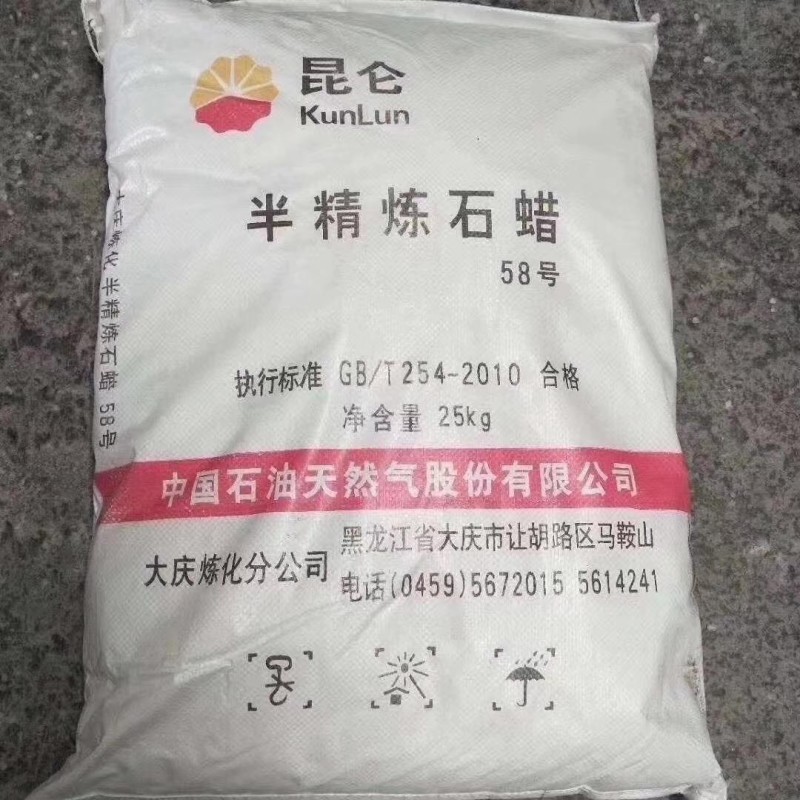
Solution suggestion: Select the appropriate wax melting point based on the product type. For modeling wax, it is recommended to use paraffin wax of grade 58 or above, as it has a higher hardness and better molding effect. Before demolding, make sure the candle has completely cooled naturally. If necessary, you can place the mold along with the sample in the refrigerator for freezing for 10-20 minutes to assist in demolding by utilizing the principle of thermal expansion and contraction.
3. Presence of Holes or Bubbles Inside
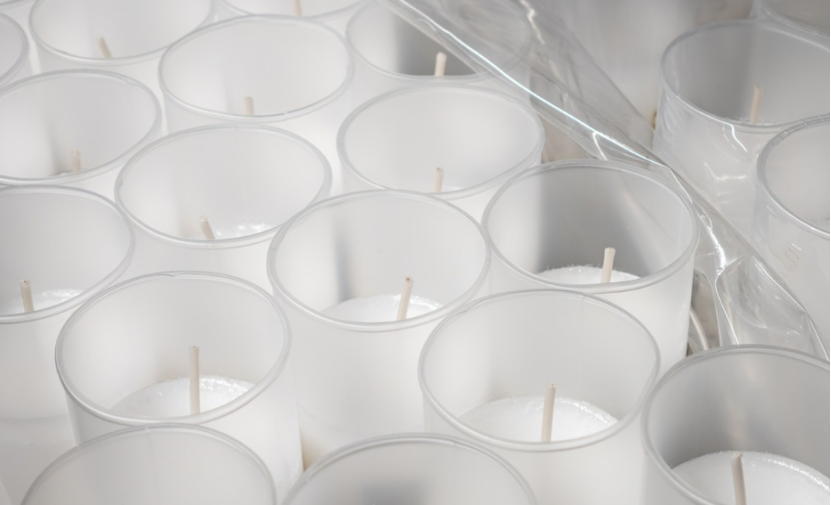
Some candles appear intact on the surface, but when lit, they show depressions around the wick or small bubble-like holes on the side. The root cause of these problems lies in the low temperature of the wax liquid during the molding process, resulting in insufficient fluidity. The air in the wax liquid cannot be promptly expelled, and after cooling, cavities or bubbles are formed.
Solution suggestion: The temperature for wax casting generally should be controlled between 80-100℃, depending on the model. Before pouring the wax, preheat the mold to reduce the temperature difference between the wax liquid and the mold, which helps to remove air bubbles and reduces internal defects.
4. White spots or cracks appear on the surface
After the candle has been placed for a period of time, white spots, foggy white films, or fine cracks appear on the surface, seriously affecting the appearance of the product. The cracks are mostly caused by an excessively fast cooling rate, especially more obvious when operating in low-temperature areas such as near windows in winter. The white spots may be related to the mold being damp or insufficient mixing after adding fragrance.
Solution suggestion: Preheat the mold before operation to ensure the wax liquid cools evenly, which can effectively prevent cracks. When adding flavoring agents, dyes, etc., make sure to stir thoroughly to ensure complete blending. For container candles, try adding a small amount of beeswax to soy wax, which can help improve the problem of white spots.
Choosing the right paraffin wax is fundamental.
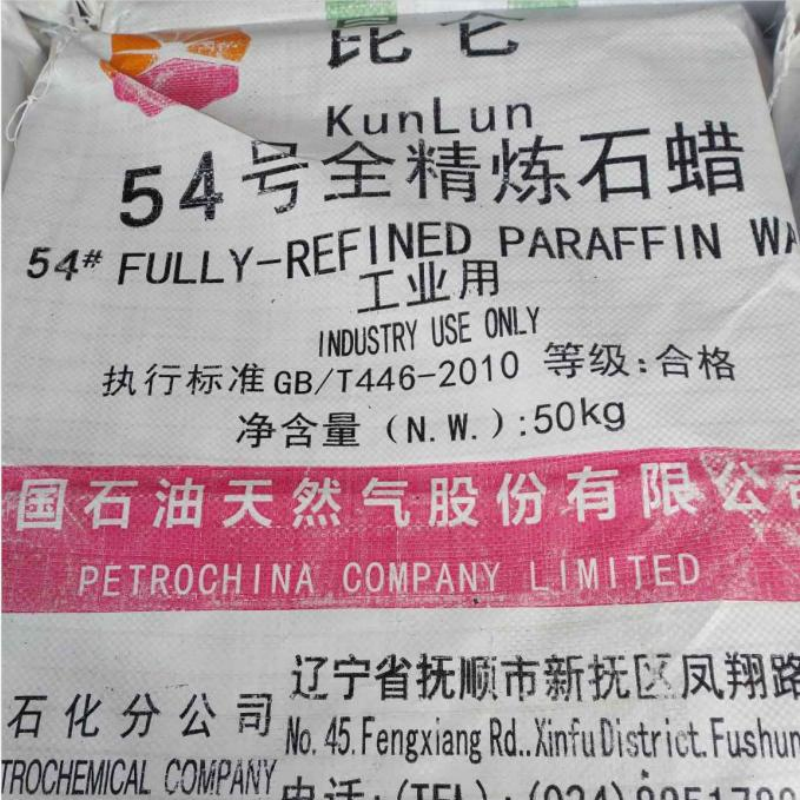
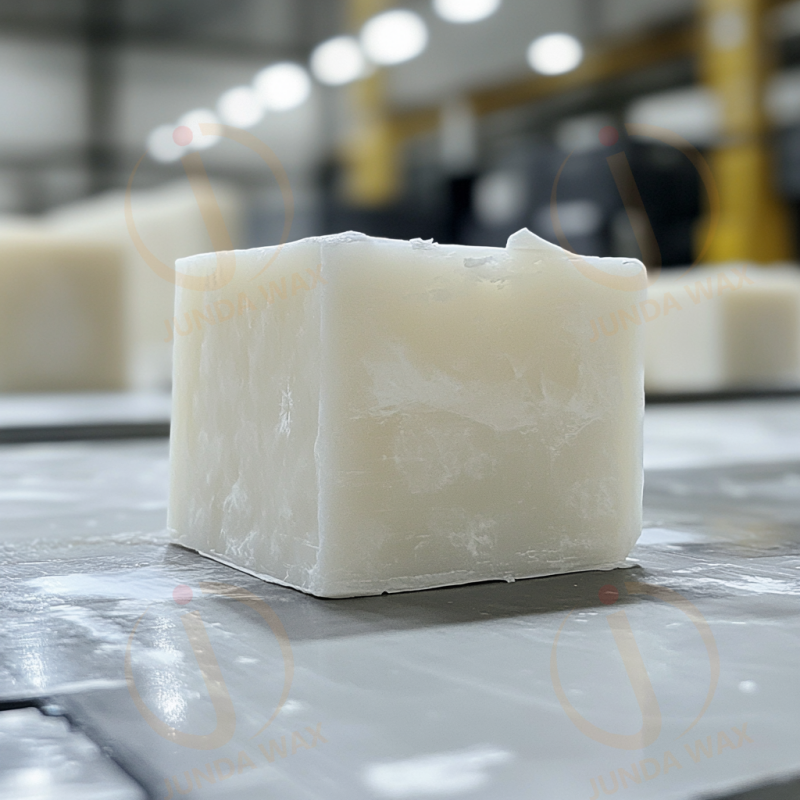
When it comes to these various issues, tracing back to their root causes, they are often directly related to the type of paraffin wax selected. Paraffin wax is classified based on its degree of refining into crude paraffin wax, semi-refined paraffin wax, and fully refined paraffin wax. In candle production, fully refined paraffin wax is the most recommended type, as it has a low oil content, few impurities, stable combustion, and less smoke. In terms of melting point, 52# and 54# are relatively soft and suitable for container candles; 58# is a general type and is suitable for most mold candles; 62# and 64# have higher hardness and are suitable for modeling wax and craft candles. If the type is incorrect, even the most meticulous subsequent operations will not be able to make up for it.
Junda Wax Quality Assurance
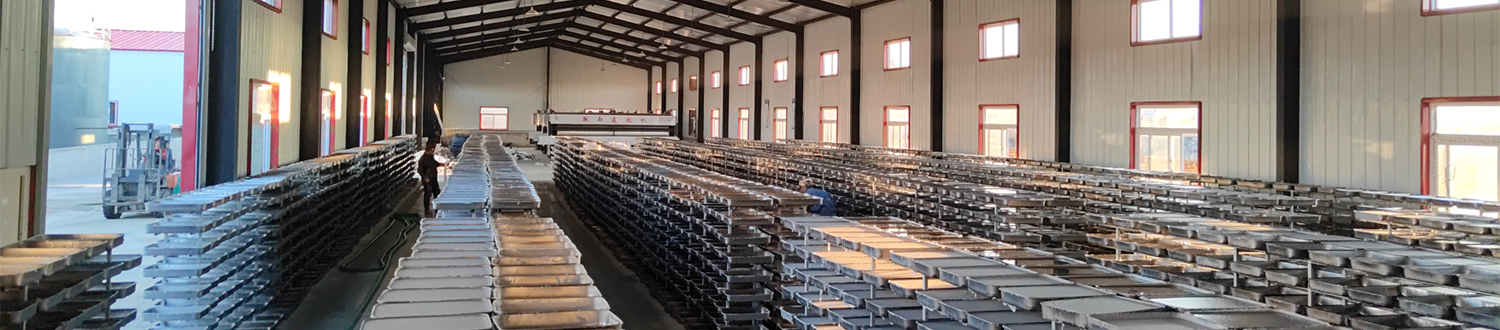
In terms of paraffin wax supply, Junda Wax has extensive industry experience and stable supply capabilities. The company was established in 2000 and is located in Fushun, Liaoning Province. The factory area covers 20,000 square meters and the annual production capacity reaches tens of thousands of tons. As an authorized distributor of PetroChina's "Kunlun" brand paraffin wax, the company provides a full range of refined and semi-refined paraffin waxes from 52# to 64#, with a wide variety of models and reliable quality. At the same time, its own brand "Junda" paraffin wax is exported to countries and regions such as South Korea, Southeast Asia, and Africa.
In addition to high-quality wax raw materials, Junda Wax can also provide a complete set of auxiliary materials such as candle production equipment, wick cores, dyes, and fragrances. It also supports customized production plans to help customers complete the entire process from raw material procurement to mass production implementation. The company has obtained multiple international certifications such as ISO9001, CE, and SGS, and has a well-established quality control system. Recently, African customers visited and inspected the factory, and gave positive feedback on the production process and quality management.
By choosing the right paraffin and adopting the correct process, many production problems can be effectively avoided. If you have any questions regarding paraffin selection or candle production, please feel free to communicate at any time. We sincerely invite you to visit the Fushun factory for a site visit, where you can understand the production process in person and have face-to-face communication, which will surely bring you more benefits.
