
Soy wax, as a natural plant wax, is refined from hydrogenated soybean oil. It is environmentally friendly, non-toxic, and biodegradable, making it an ideal raw material for scented candles and container candles. The melting point of soy wax typically ranges from 45℃ to 52℃. This characteristic endows it with excellent low-temperature combustion performance and aroma release ability, but also poses unique challenges in high-temperature transportation environments.
The most common phenomenon caused by high temperatures: "Sweating"
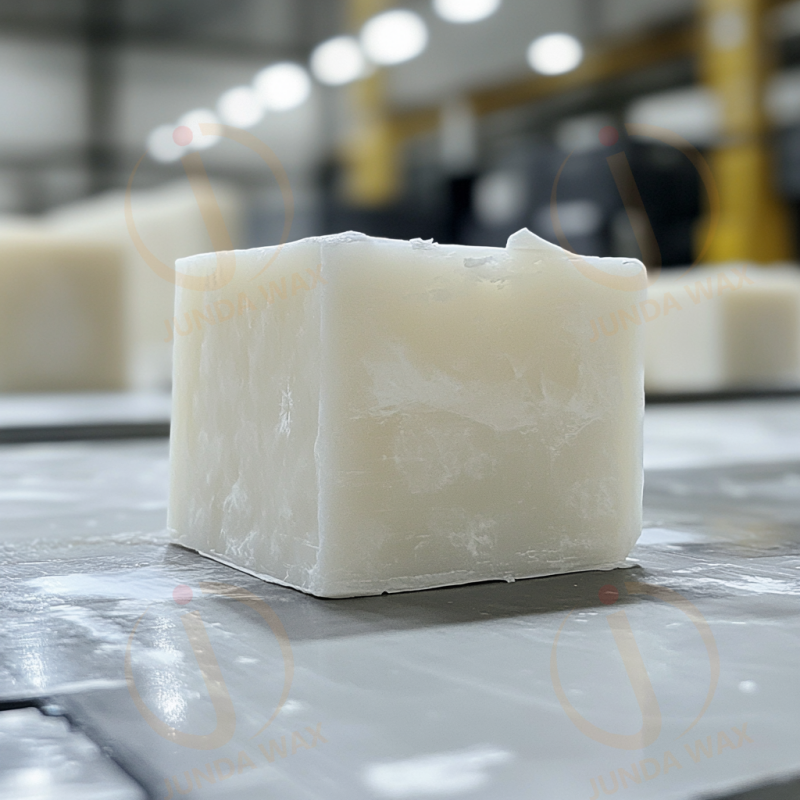
Many people who have used or transported soy wax products have experienced this: After receiving the candles, a layer of transparent liquid appeared on the surface, looking like small water droplets. In the industry, this is called "sweating" or "oiling". In fact, these liquids are not water, but wax liquid or added essential oils. The melting point of soy wax is relatively low (45-52℃). When the environmental temperature rises, the liquid fats in the wax body will precipitate onto the surface. Especially in summer, the temperature inside the freight containers or vehicles may be much higher than the external temperature, and soy wax products are very likely to encounter this situation during transportation.
However, this phenomenon is usually reversible. Place the candle in a cool, well-ventilated environment at room temperature. The wax oil that has separated will gradually be reabsorbed by the wax, and the surface can return to normal, without affecting its usability. The problem lies in that if the temperature remains excessively high or for an excessively long period, the amount of liquid that separates may be too large, causing the packaging to leak, the wax to deform, or even complete melting. Then, there will truly be a problem.
Softening deformation and packaging damage risks
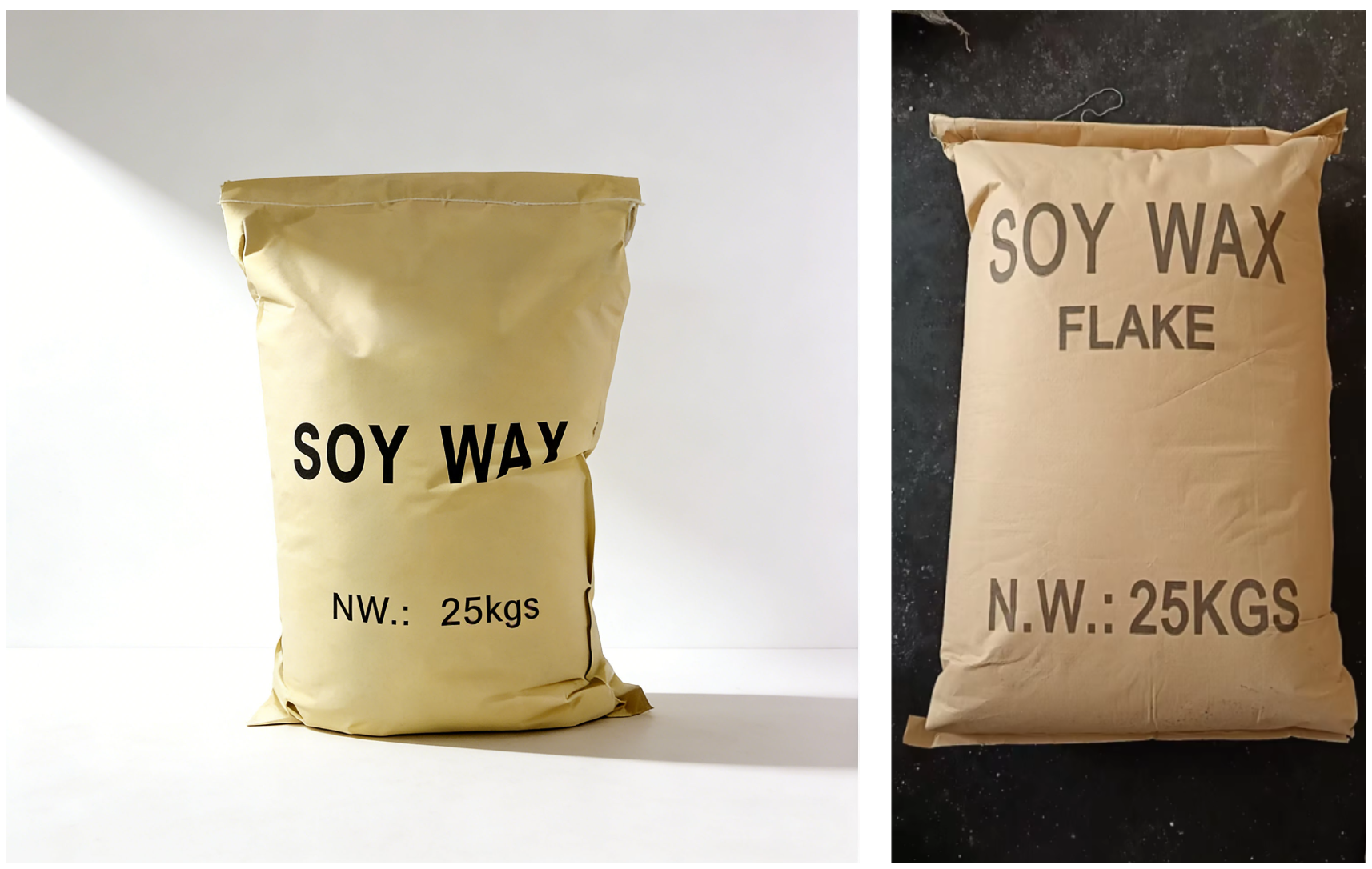
A more serious situation than surface oil leakage is the overall softening or even melting of the wax. Some colleagues have reported that during transportation in summer under high temperatures, if the transportation time is long and there is no temperature control during the journey, the soybean wax products may melt directly during the journey. Once the wax melts, the outer packaging is very likely to get wet and damaged, and it will be impossible to deliver upon arrival. For export orders, the cost of such losses is quite high.
From the perspective of national standards, the transportation temperature for plant waxes (including soybean wax) should not exceed 35℃. However, in actual maritime or land transportation scenarios, this condition is often difficult to meet. In containers exposed to intense sunlight, the internal temperature may exceed 60℃, far exceeding the melting point of soybean wax. Therefore, orders destined for high-temperature areas require particularly thorough planning in advance.
Select the appropriate melting point grade
One of the key ways to avoid high-temperature risks is to choose the appropriate melting point grade of wax. There are soy wax products with melting points of 42℃, 52℃, 58℃ and even higher on the market. 52℃ is currently the most mainstream wax for container candles and is suitable for most indoor environments; however, if the product is to be exported to tropical or subtropical regions, or transported over long distances under high-temperature conditions in summer, it is recommended to prioritize the use of medium to high melting point soy wax with a melting point of 58℃ or above. Such wax has stronger thermal stability and can significantly reduce the risk of softening and deformation. This is not only a technical choice but also a risk control strategy tailored for specific markets.
Junda Wax: A stable supplier of soybean wax
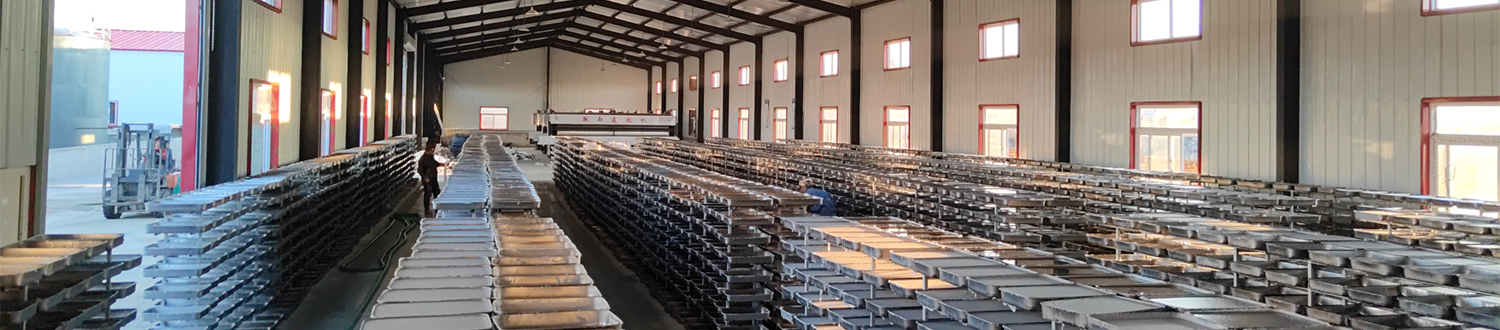
The loss caused by high-temperature transportation can be largely avoided by choosing the right products and taking preventive measures in advance. Junda Wax has accumulated rich experience in the production and export of soybean wax. Founded in 2000, the company is located in Fushun, Liaoning Province, with a modern factory covering 20,000 square meters. Its annual export volume exceeds 30,000 tons, and its products are exported to more than 50 countries and regions.
The actual melting point of Junda Wax's natural soy wax is 52.3℃, with a moisture content of only 0.01% and an acid value as low as 0.02mg KOH/g. These indicators mean that the product burns more stably, is less prone to bubble formation and cracking, and has good storage stability. With stable quality and mature export experience, Junda Wax can provide customers with recommendations for soy wax grades suitable for different climate conditions in different destinations, helping to reduce losses caused by high-temperature transportation.
