

Would mixing China Paraffin Wax Fully Refined with plant-based waxes result in a better fragrance? This discussion might seem niche, but in the scented candle industry, it's almost the core question of whether you can make candles that smell good and sell well. This is because everyone has noticed that plant-based waxes alone sometimes have a fragrance that's too subtle, while China Paraffin Wax Fully Refined is easily misunderstood by consumers as "not natural enough." So, is mixing the two just right? This actually involves fragrance diffusion, burning stability, finished product appearance, and even consumer preferences in different countries, production costs, and export formulas. That's why the industry keeps discussing it in more and more depth.
I. What are the differences between paraffin wax and plant-based waxes?
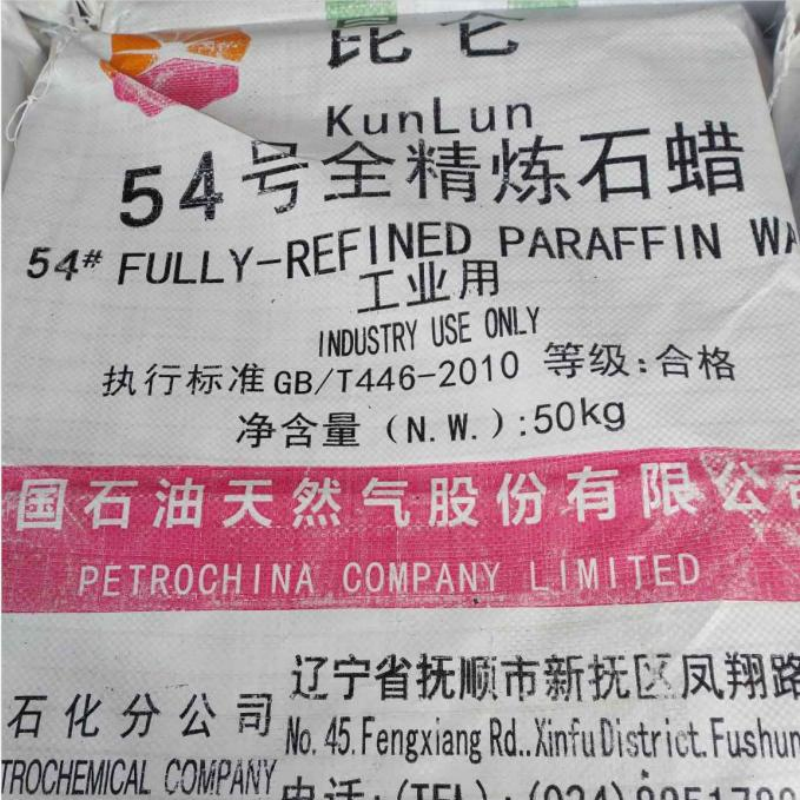
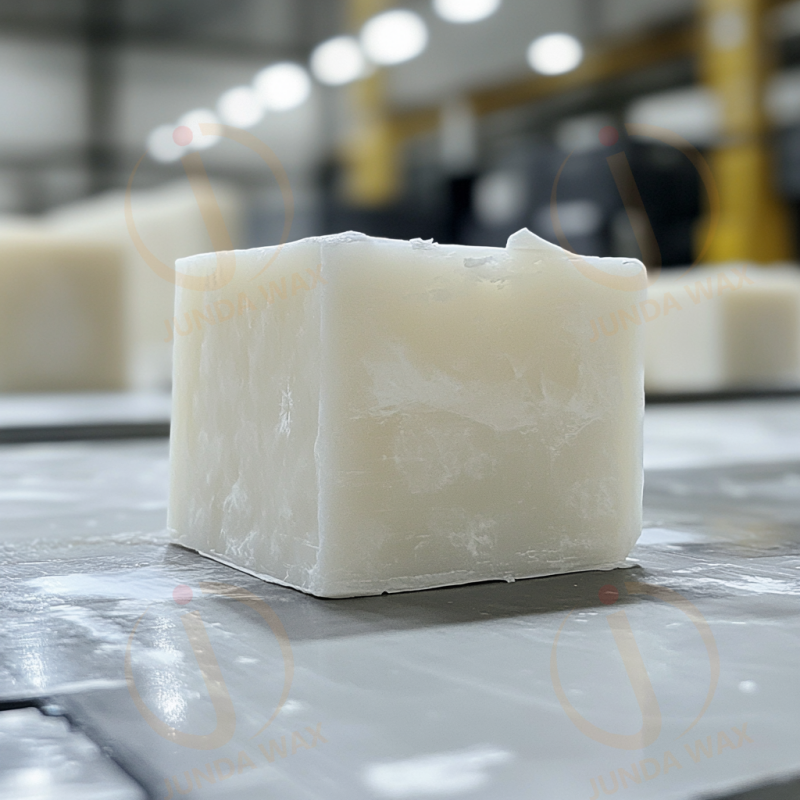
China Paraffin Wax Fully Refined is a particularly stable raw material. It has high purity, a clean color, few impurities, stable burning, and a beautiful appearance. It also has a strong ability to absorb fragrance oils, quickly releasing the scent, making it particularly suitable for scented candles. Its most attractive feature is its high controllability – from pouring temperature to solidification speed to the finished surface, it's very predictable. Professional factories love it because it significantly reduces production errors.
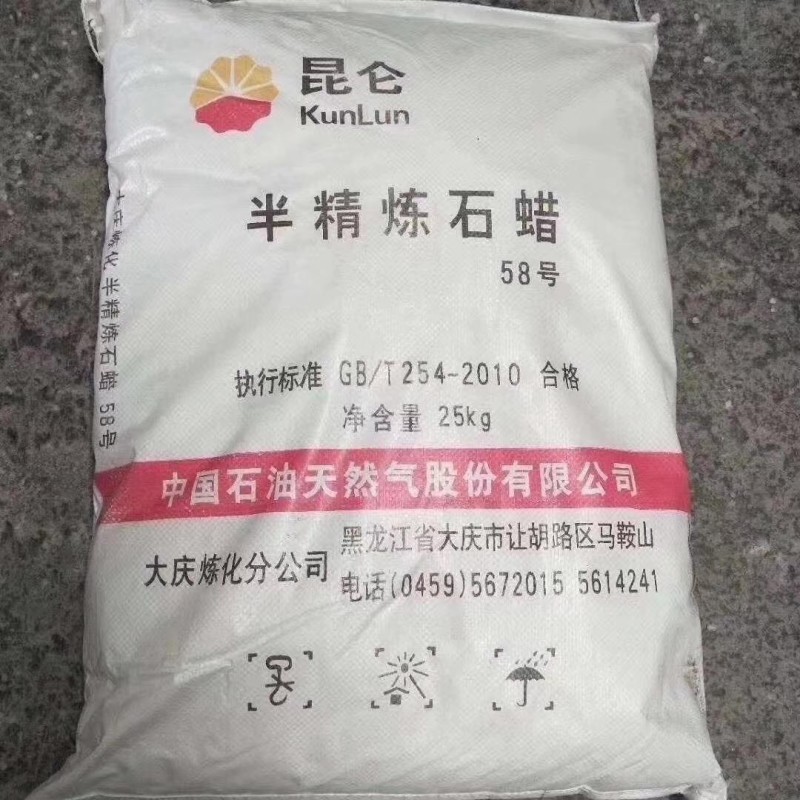
Plant-based waxes (soy wax, coconut wax, palm wax) are more like the high-end natural option. They have a soft texture, a warm feel, and a very appealing eco-friendly label. When lit, the flame is gentle, and the overall feel is more "artistic." However, its biggest drawback is that the solubility of fragrance oils isn't always stable; sometimes the diffusion effect is weak, and the fragrance gets "stuck" inside. If the temperature isn't controlled properly, it's also prone to frosting, collapsing, and uneven surfaces. Used well, it's a great advantage; used poorly, it can be incredibly frustrating.
II. So, will mixing the two really result in a stronger fragrance?
The answer is: in most cases, it will be stronger, but it's not just about mixing them randomly; the ratio needs to be appropriate.
The logic behind enhanced fragrance through mixing is very simple – Fully Refined Paraffin Wax is responsible for "pushing the fragrance," and plant-based wax is responsible for "locking in the fragrance." Together, they're like a speaker combined with a subwoofer, providing both diffusion and longevity. Especially when coconut wax or soy wax is mixed with Fully Refined Paraffin Wax, the fragrance oil's volatilization curve becomes more balanced, neither releasing the scent too quickly nor keeping it trapped in the container. This is why many major European and American brands use blended wax as their standard, rather than relying on a single type of wax.
The generally accepted "golden ratio" in the industry is usually 70% China Paraffin Wax Fully Refined + 30% soy wax, or 80% China Paraffin Wax Fully Refined + 20% coconut wax. If you want a softer texture, you can even go 50/50, but that requires more careful consideration of fragrance compatibility. Overall, with the right formula, blended waxes generally perform better in terms of fragrance than single-plant waxes.

III. Junda Wax not only sells wax, but also provides a one-stop supply of all candle production raw materials and machinery.
To save our customers the trouble of "shopping around," we now provide a complete candle industry product chain for candle factories worldwide.
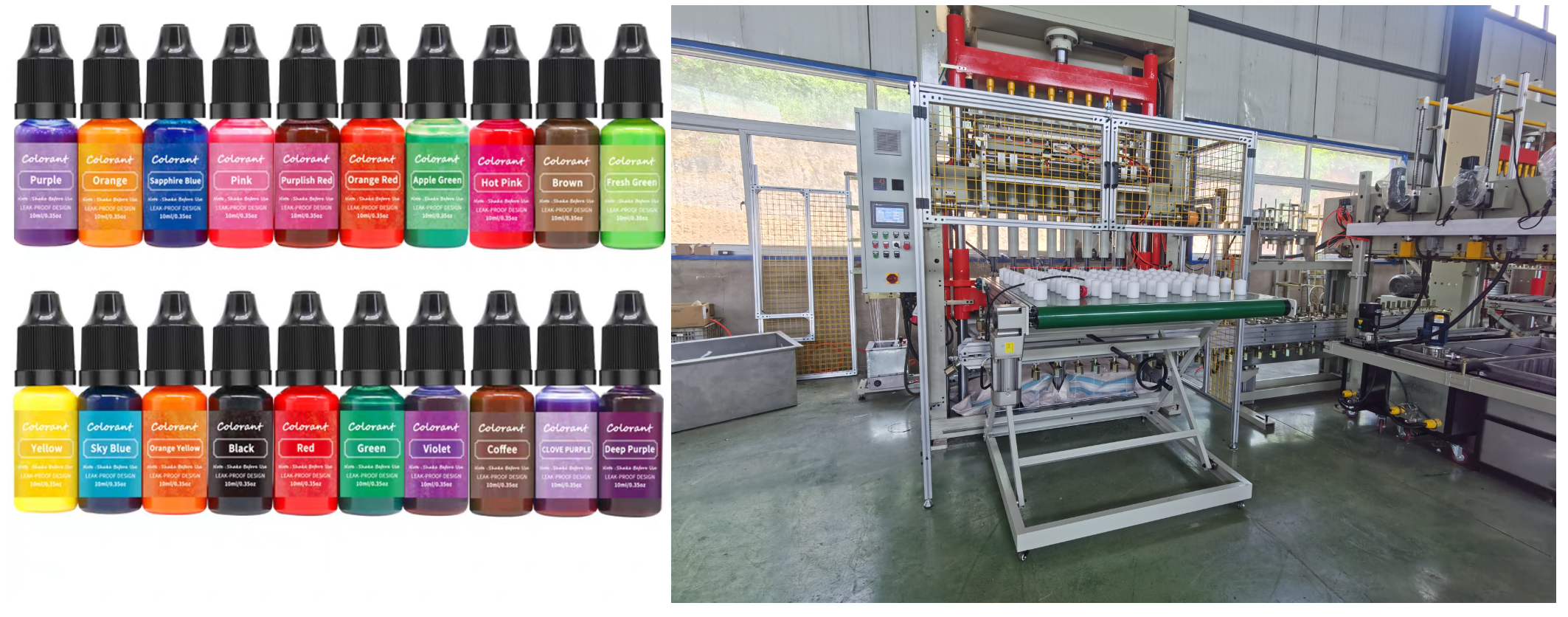
We offer not only fully refined paraffin wax, but also plant waxes (soy, coconut, palm), pre-coated wicks, smokeless wicks, dyes, fragrances, additives, wax melting pots, wax pouring machines, molding equipment, automated production lines, and even OEM/ODM services for finished candles. In short: if you want to make candles, from raw materials to equipment, packaging, and export, we can help you get everything you need in one place.
IV. If you want to try blending waxes yourself, here's a "beginner's guide to avoid pitfalls":
If you're just starting to experiment with blended waxes, as a professional paraffin wax Kunlun supplier, Junda Wax generally recommends starting with a 70/30 ratio. This ratio is the most stable and least picky about fragrances as a "first formula," and it's also the easiest to adjust. We recommend starting with a 6% fragrance addition; adding 10% right away is likely to result in failure. Different fragrance types also need to be treated differently. For example, woody fragrances perform more softly in plant waxes, while fresh lemon scents are more easily "pushed" out in Fully Refined Paraffin Wax. If you plan to export in the future, do not mix formulas for different countries; climates and consumer preferences vary, and we can also help you with country-specific formula recommendations.
Blending fully refined paraffin wax and plant waxes can indeed improve fragrance performance and make candles more stable, more commercially viable, and more competitive in the market. This isn't just a marketing gimmick circulating online; it's the most reliable solution developed through countless production trials and validations in the industry.
As a long-term supplier of candle raw materials and equipment, Junda Wax can provide you with the most suitable blending formula based on your market, budget, fragrance preferences, and finished product type. We can also supply all the materials and machinery you need to make candles, truly enabling you to "start production as soon as you receive the materials."
If you want to create a candle formula for a specific country, I can also help you develop a complete solution. Just tell me the country, fragrance, and budget, and as a professional paraffin wax Kunlun supplier, Junda Wax will give you the most suitable recommendations.
