
The moment a candle is lit, the room seems to be bathed in a soft, warm glow. It's not just about the heat; it's also a sense of ritual, a way to pause, slow down, and reconnect with life. This is why December is almost always the peak season for candle sales, especially in Europe, North America, and South America, where the demand for holiday-themed candles accounts for more than 30% of the year's total sales.
What kind of candles are suitable for Christmas? How should the colors be matched? Why do different countries have such different requirements for melting points? How can you make beautiful and stable Christmas candles? Junda Wax, from the perspective of a professional candle manufacturer, will introduce everything from the most basic raw materials to production, trends, and global demand, hoping to provide you with systematic and practical information.
I. The Warmth of a Candle in December
Winter nights get dark very quickly, especially in regions like Northern Europe, Canada, and Russia, where winters are particularly long. Many families are accustomed to lighting candles on windowsills, by the fireplace, or on the dining table, instantly making their homes warmer and more festive. In fact, among Junda Wax's export customers, over 30% of orders are related to Christmas.
Among Junda Wax's customers in Europe, Africa, South America, and the Middle East, Christmas candles come in a wide variety of shapes: pillar candles, tea lights, scented jar candles, Christmas tree-shaped candles, snowflake-patterned candles, ice-patterned candles... The color preferences also vary greatly from country to country. Northern Europe prefers clean white and gold, South America and Central Europe prefer strong festive colors of red, green, and gold, while African customers particularly like bright and saturated holiday colors. Although the appearances vary, what truly determines whether a candle "sells well" is its raw material.
II. Why are Fully Refined Paraffin Waxes Essential for Christmas Candles?
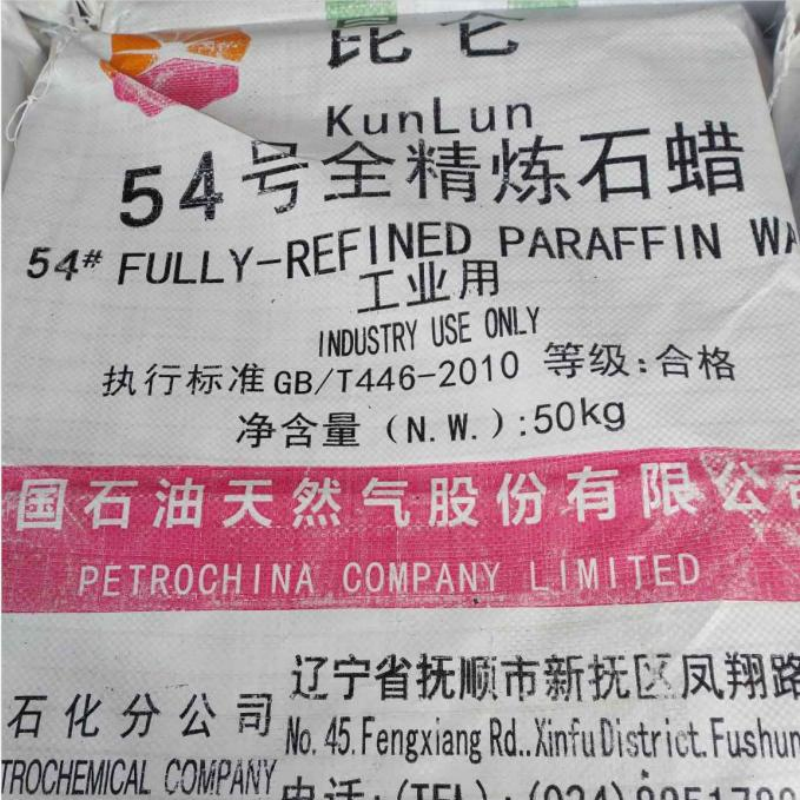
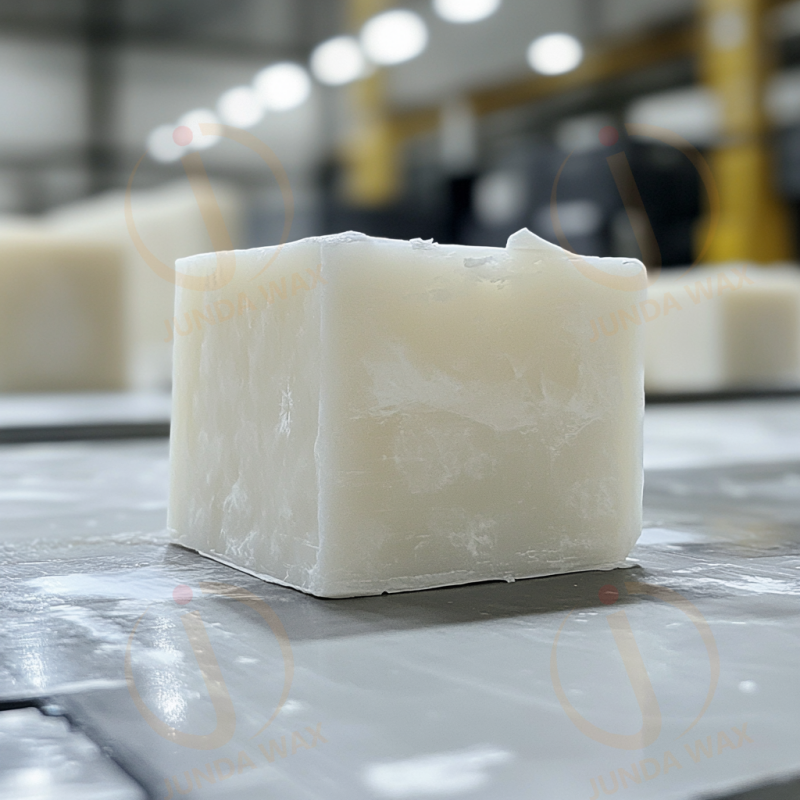
Don't be fooled by the similar appearance of candles; the key to their quality lies in the grade of paraffin wax. Fully refined paraffin wax, due to its high purity, white color, low oil content, and strong stability, is the standard raw material for making holiday candles. Fully Refined Paraffin Wax is clean in color, resulting in brighter reds, more vibrant greens, and more translucent whites after coloring; it has a low oil content, preventing oil seepage and discoloration even after prolonged storage; it burns with a stable flame and produces little smoke; and its high hardness makes it ideal for products requiring high shape stability, such as Christmas pillar candles and shaped candles. Many international brands of Christmas candles almost exclusively use fully refined paraffin wax as their base, a long-standing industry consensus in the global market.
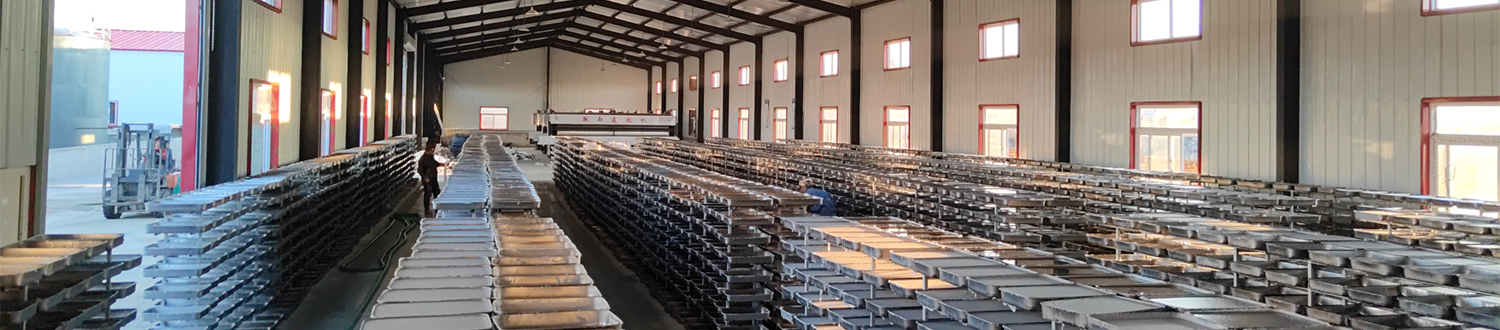
Junda wax's exported paraffin wax has been supplied to dozens of countries in Europe, the Americas, the Middle East, and Africa for a long time. Many customers initially only purchased paraffin wax, but later, after discovering that we could also provide wicks, dyes, fragrances, and even candle-making machinery, they gradually entrusted us with the one-stop supply of all materials.

III. Color Selection for Christmas Candles
Christmas colors have a "memorable" quality. Every December, you'll find that consumer aesthetics vary greatly across countries, but red, green, and white are always successful.
Red symbolizes warmth, enthusiasm, and the ceremonial feel of the holiday, and is the best-selling Christmas candle color globally; green represents evergreen trees and vitality, and is an indispensable classic color in Christmas scenes; white is refreshing and clean, and is especially popular in the Nordic market because it perfectly complements modern minimalist home decor. When exporting Fully Refined Paraffin Wax, Junda wax provides color powder formulas and saturation suggestions based on the holiday culture and trends of different countries, ensuring that the candle colors are brighter, longer-lasting, and fade-resistant.
IV. Why do colder regions prefer high-melting-point paraffin wax?
If you've been involved in holiday candle exports for a long time, you'll notice an interesting phenomenon: the colder the country, the higher the melting point requirement for Fully Refined Paraffin Wax.
In regions like Northern Europe, Russia, and Canada, the most popular is Fully Refined Paraffin Wax with a melting point of 58–60℃, because large indoor temperature differences and potential collisions during transportation can cause lower melting point waxes to soften. In Central Europe, Latin America, and West Asia, 56–58℃ Fully Refined Paraffin Wax is generally used. As for Africa and Southeast Asia, due to the hot weather, they even prefer high-melting-point Fully Refined Paraffin Wax above 60℃, which is more stable in shipping containers. Junda Wax provides customized melting point recommendations for each export project, taking into account the client's country's climate, transportation methods, and candle type. Sometimes, we even provide different melting points for the same client because they export to multiple countries.
V. One-Stop Christmas Candle Solution: Why are more and more clients choosing us?
Many clients initially only considered buying paraffin wax, but as their needs grew, they gradually realized that simply buying paraffin wax was far from enough. They also needed formulas, wicks, dyes, molds, equipment, and parameter guidance... Therefore, more and more clients are choosing to entrust their entire candle production chain to us.
We can provide:
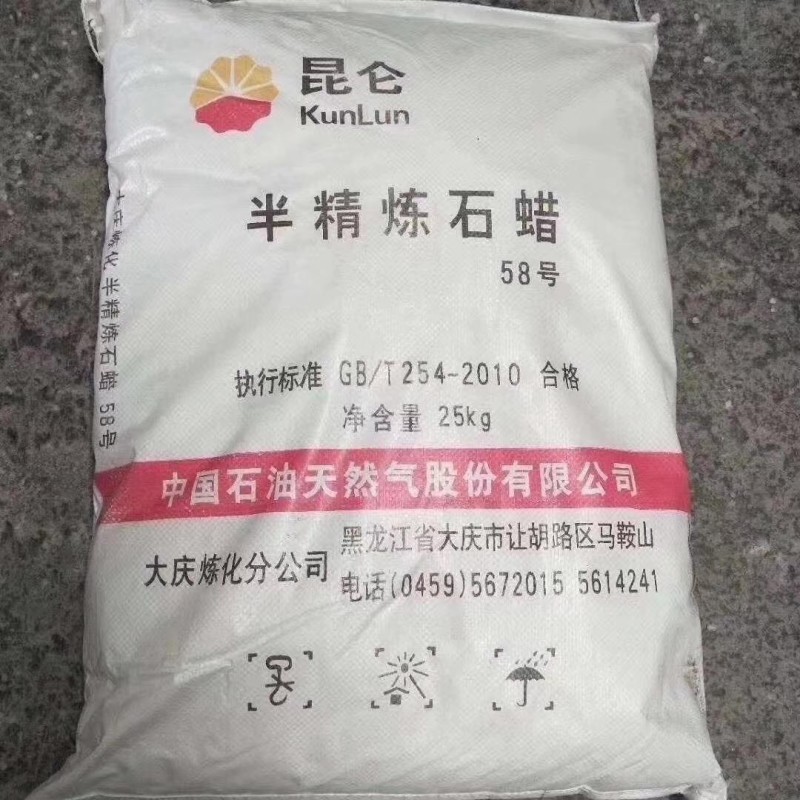
Full range of paraffin waxes: fully refined, semi-refined, and plant-based waxes
Wicks (cotton, wood, and paper wicks)
Dyes, pigments, fragrances, pearlescent powders, and gold powders
Molding dies and gift box design
Complete set of equipment including pillar candle machines, pouring machines, and tealight candle machines
Candle production process parameters and formula guidance
A candle may seem simple, but it actually embodies multiple factors: festive atmosphere, market trends, material selection, and process requirements. Christmas candles need to be easy to sell, durable for storage and transportation, and have a festive atmosphere, while also burning stably, without smoke, and without deformation. The key to all of this is choosing the right raw materials, the right melting point, and the right supplier.
Junda Wax hopes to help global clients easily produce better-looking, more stable, and more consumer-preferred festive candles with high-quality fully refined paraffin wax, stable dyes and fragrances, and a one-stop equipment and process solution.

