
1. Paraffin Wax
Overview:
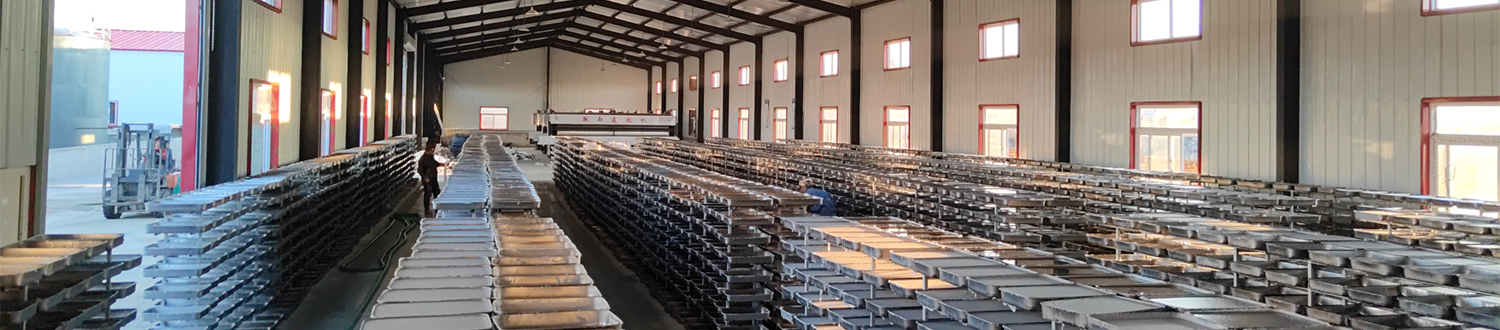
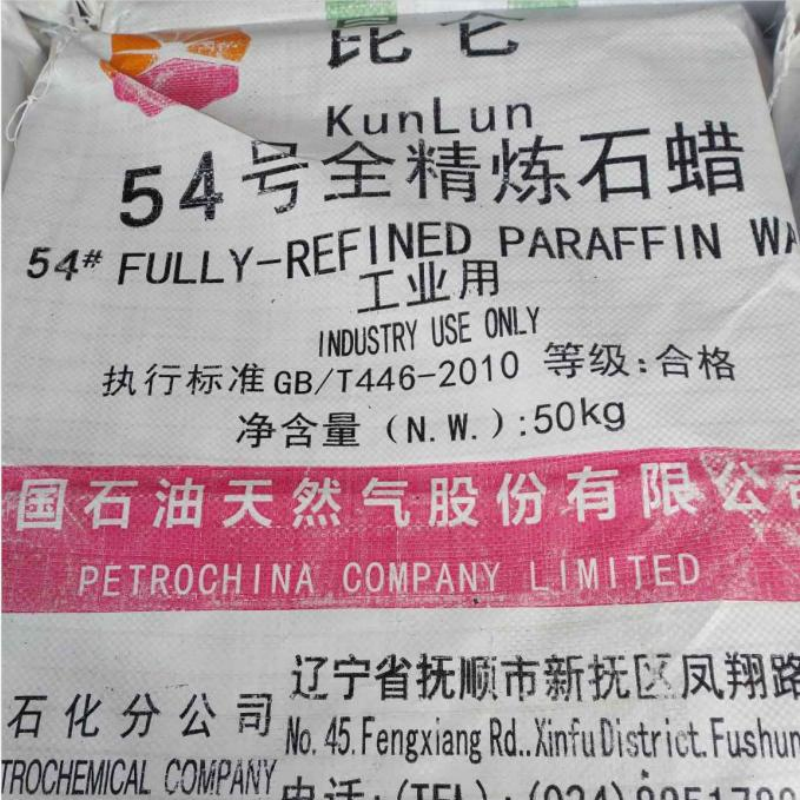
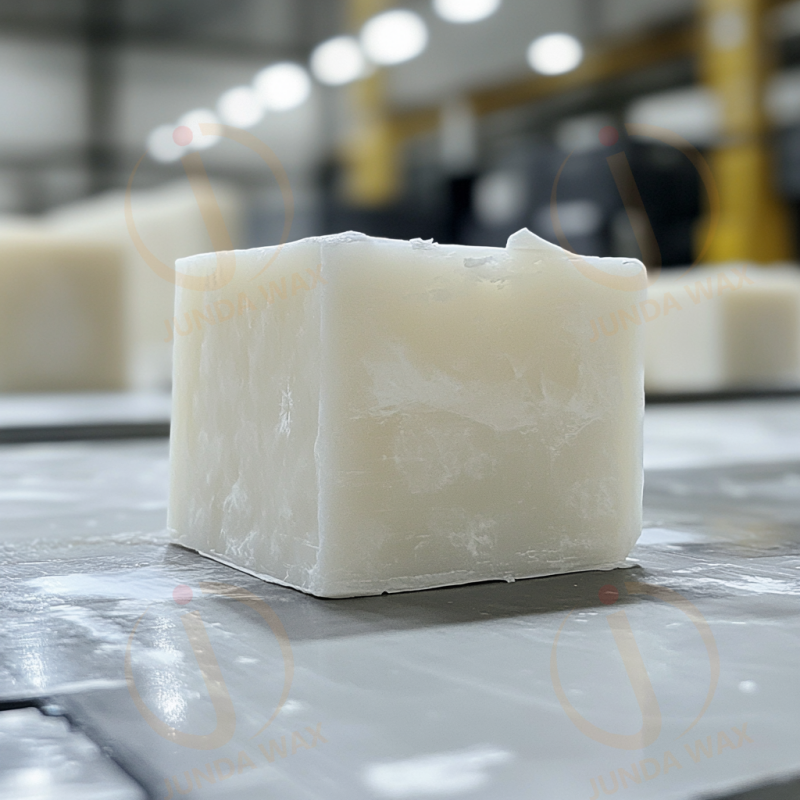
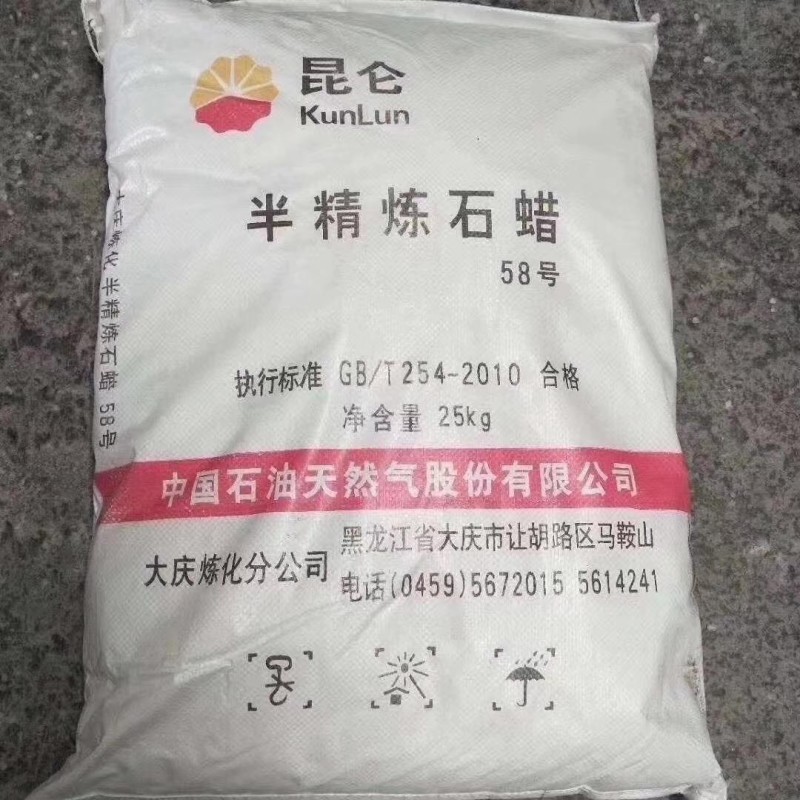
The most widely used candle wax globally, derived from petroleum refining.
Key Characteristics:
Melting Point: 52–66°C (adjustable with additives)
Opacity: High (ideal for vibrant color dyes)
Burn Time: Long (6–10% slower than soy wax)
Scent Throw: Excellent fragrance retention (superior hot/cold throw)
Pros:
✔ Cost-effective & easy to customize
✔ Compatible with all candle types (pillar, container, votive)
Cons:
✗ Requires additives (UV inhibitors, stearic acid) for optimal performance
Best For: Mass-produced candles, layered/embeddable designs
Fun Fact: Over 70% of industrial candles use paraffin due to its versatility.
Junda wax's Edge: Our ultra-refined paraffin wax achieves 99.9% purity (CE approved), minimizing soot and ensuring consistent burn cycles.
2. Soy Wax
Overview:
A plant-based alternative made from hydrogenated soybean oil.
Key Characteristics:
Melting Point: 49–54°C (softer than paraffin)
Opacity: Translucent to creamy
Burn Time: Shorter vs. paraffin but cleaner
Scent Throw: Moderate (blends well with essential oils)
Pros:
✔ Renewable & biodegradable
✔ Ideal for container candles (low shrinkage)
Cons:
✗ Prone to frosting (crystalline surface patterns)
✗ Limited fragrance load capacity (~8–10%)
Best For: Eco-conscious brands, aromatherapy candles
Junda wax’s Solution: Our high-density soy blend reduces frosting by 40% and supports up to 12% fragrance load.
3. Microcrystalline Wax
Overview:
A petroleum-derived wax with finer crystals than paraffin.
Key Characteristics:
Melting Point: 63–93°C (higher heat resistance)
Flexibility: Retains shape under stress (anti-cracking)
Adhesion: Superior for coatings/additive blends
Pros:
✔ Enhances structural integrity
✔ Extends shelf life of scented candles
Cons:
✗ Rarely used alone (typically blended at 5–15%)
✗ Higher cost vs. paraffin
Best For: Blending with paraffin for pillar/figurine candles
4. Stearic Acid
Overview:
A fatty acid derived from animal/vegetable sources.
Primary Role:
Hardness Booster: Adds rigidity (used at 5–30% in blends)
Opacity Enhancer: Creates whiter, smoother surfaces
Melting Point Adjuster: Raises paraffin’s melt point by 3–6°C
Pro Tip: Using stearic acid with soy wax minimizes frosting.
Junda wax’s Formula: Our stearic-PSA composite eliminates blooming in natural wax blends.
5. Fischer-Tropsch Wax
Overview:
Synthetic wax from natural gas-to-liquid (GTL) processes.
Key Characteristics:
Melting Point: 85–115°C (ideal for hot climates)
Crystallinity: Ultra-low (prevents shrinkage/voids)
Burn Quality: Near-zero smoke
Pros:
✔ 100% odorless (perfect for unscented luxury candles)
✔ Excellent mold release properties
Cons:
✗ Premium pricing (2–3× paraffin cost)
Best For: High-end candles, outdoor/religious candles
Junda wax’s Innovation: Our FT-108 grade combines flexibility with a melt point of 98°C for tropical markets.

Expert Recommendations
Paraffin wax-Stearic Blends: Achieve longer burn times + brilliant colors (add 8–12% stearic acid).
Soy-FT Wax Hybrids: Combine soy’s eco-profile with FT’s heat stability for tropical markets.
Microcrystalline Additions: Add 5% to pillar candles for crack resistance.
Junda wax Paraffin wax Quality Assurance
Certifications: CE,COO Certification.
Custom Blending: Free technical support for tailor-made wax formulations
Global Logistics: JIT delivery with real-time cargo tracking
