
Customers exporting candles or paraffin products typically encounter a common problem: their products look fine at the factory, but upon arrival at their destination, they may exhibit deformation, oil seepage, stickiness, or even abnormal fragrance. This is especially true for shipments to high-temperature regions like the Middle East, Africa, and Southeast Asia, where container temperatures can easily reach 50°C or higher during transit. Without prior high-temperature simulation testing, problems can easily arise during delivery. Therefore, from the perspective of material selection and pre-shipment control, high-temperature storage simulation testing is not optional but a mandatory step.
Why is high-temperature testing so crucial?
Many problems are not apparent at room temperature. For example, paraffin wax with a slightly higher oil content behaves normally at room temperature but is prone to slight oil seepage at high temperatures; similarly, candles with a low melting point are stable in warehouses but may soften or even deform during transportation.
The essence of high-temperature testing is to amplify problems in advance. By placing the product in a more demanding environment, it verifies its performance under extreme conditions. If problems are identified during the testing phase, the formula can be adjusted or the paraffin wax specification changed in time, rather than waiting for customer complaints to remedy the situation. Junda Wax places particular emphasis on this aspect in its long-term export business because the climate differences between different markets are significant. Only through simulation testing can it ensure that the product truly adapts to the target environment.
How is a standard high-temperature simulation test conducted?
A basic but effective testing method is to place the paraffin wax or finished candle in a temperature-controlled chamber, set between 45°C and 60°C, for 24 to 72 hours, and then observe changes in appearance and performance. The test focuses on several aspects: whether softening or deformation occurs, whether the surface feels oily or oozing, whether the color changes, whether the odor becomes abnormal, and whether the structure returns to normal after cooling. For scented waxes, it is also necessary to pay attention to whether the fragrance evaporates prematurely or becomes unstable. Many customers overlook the testing time, only making short observations, but in reality, the longer the duration, the easier it is to expose problems. In its internal testing, Junda Wax typically sets different testing cycles for different markets to ensure that the evaluation more closely resembles real-world shipping conditions.
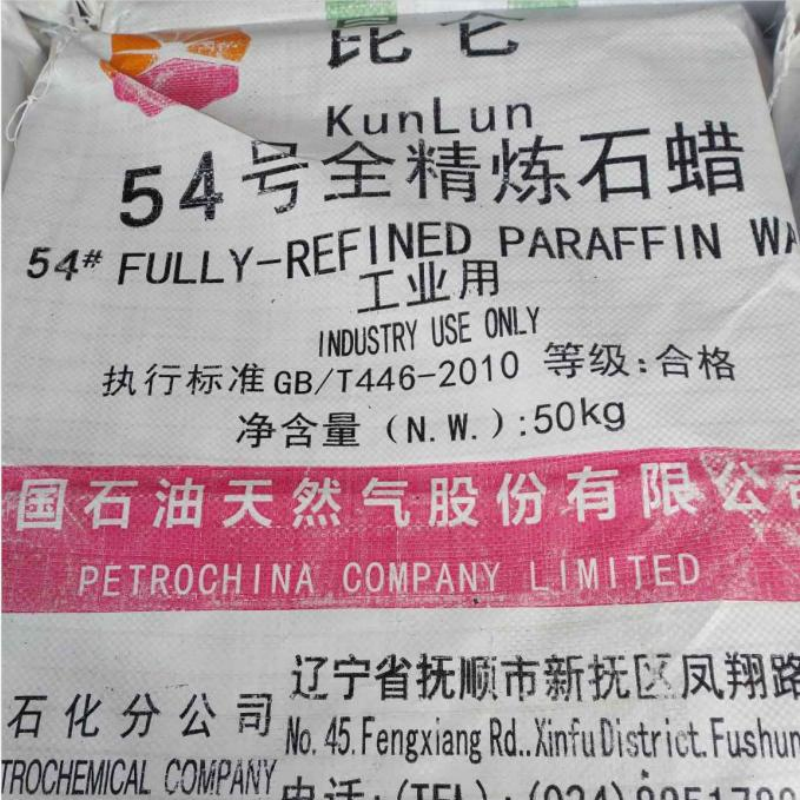
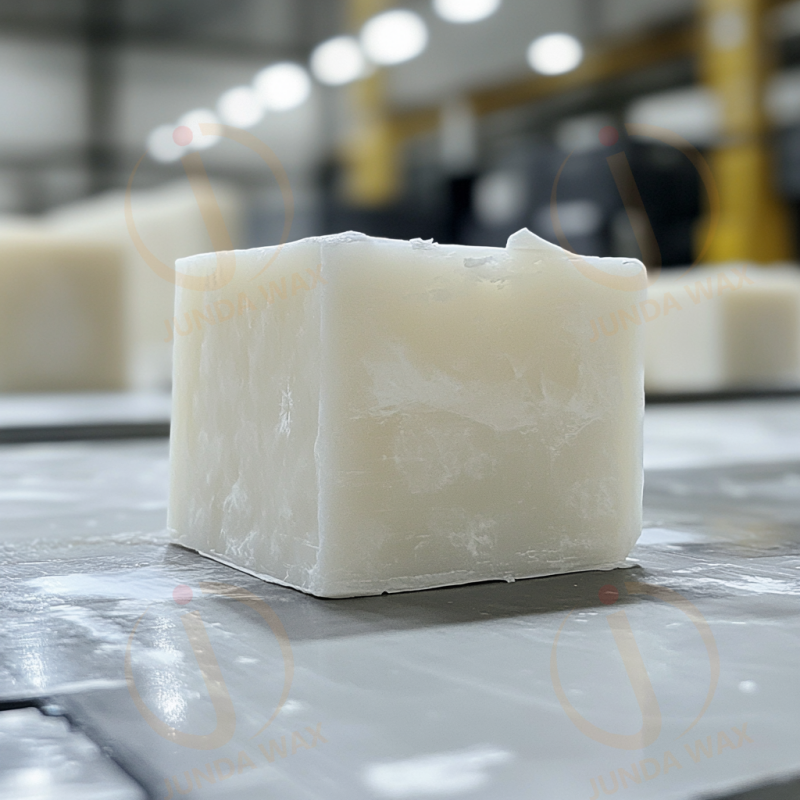
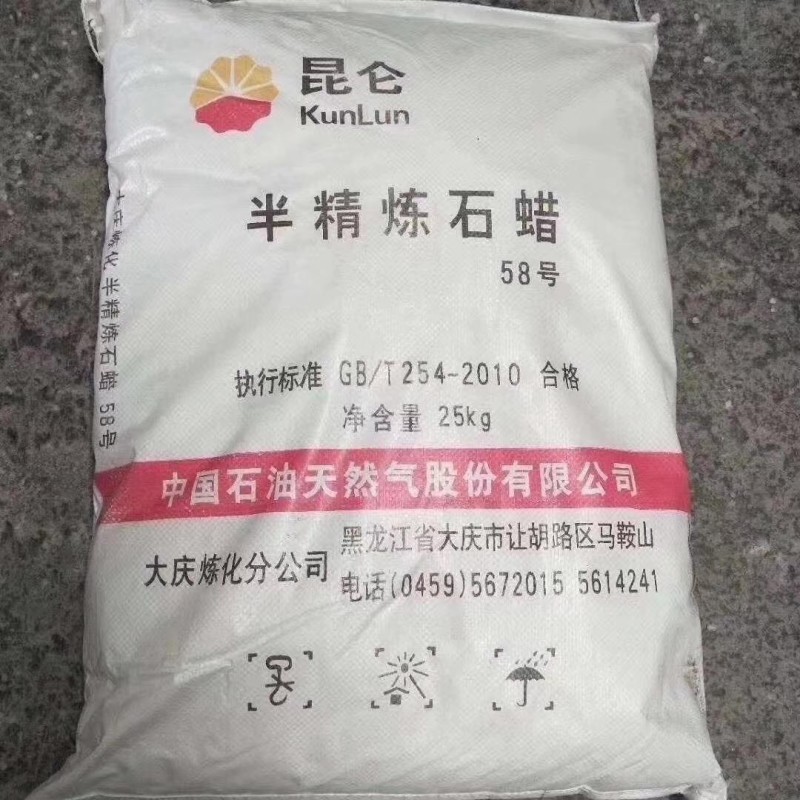
The paraffin wax itself greatly affects the test results. Ultimately, high-temperature performance depends on the paraffin wax itself. Melting point, oil content, and crystal structure all directly affect test results. For example, low-melting-point paraffin wax softens more easily at high temperatures, while products with higher oil content are more prone to oil seepage. This is why some customers notice a significant decrease in the heat resistance of their products after switching suppliers. Superficially, the parameters may appear similar, but actual performance can differ. Junda Wax controls the melting point and oil content in combination during production, rather than adjusting a single indicator, while maintaining a stable source of raw materials, thus ensuring more reliable overall performance under high-temperature conditions.
How does Junda Wax conduct high-temperature testing?
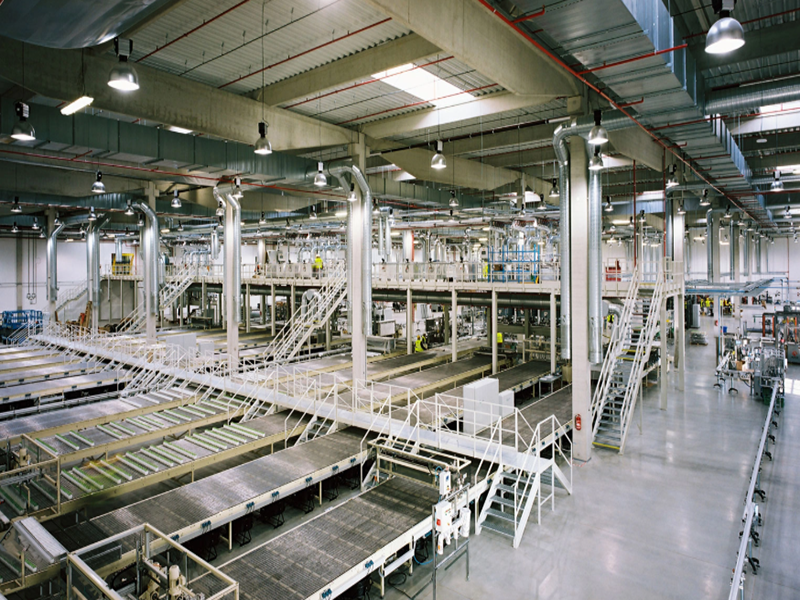
At Junda, we conduct corresponding high-temperature simulation tests based on the customer's target market before products leave the factory. For example, for the Middle Eastern market, we set higher temperature ranges and extend the testing time; for the Southeast Asian market, we focus more on performance under high temperature and high humidity conditions. The testing not only targets the paraffin wax raw material itself but also the overall performance of the finished candle, such as structural stability and surface condition. For orders from key customers, we also conduct simulations based on actual transportation cycles to reproduce real-world scenarios as closely as possible. This testing process has become part of our quality control system, not an ad-hoc addition.
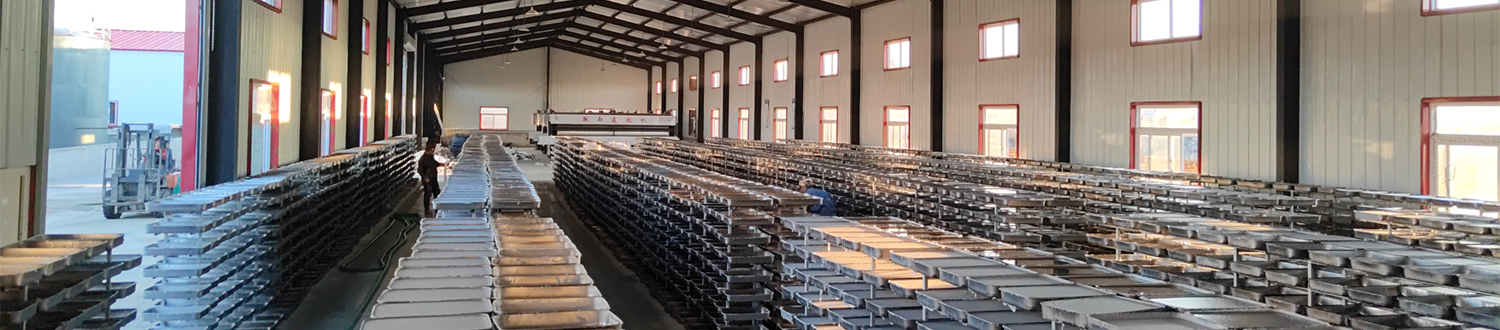
Production capacity determines stability. High-temperature testing can identify problems, but what truly solves them is stable production capacity. Only with stable raw material sources and mature process control can consistent performance be maintained across different batches. Junda Wax boasts mature production lines and a stable supply system, enabling it to provide fully refined paraffin wax with varying melting points and oil content ranges on a long-term basis, supporting continuous large-volume supply. Furthermore, we offer one-stop solutions for wax production lines, color powders, and candle production equipment, helping clients optimize the entire process from raw materials to production. For clients requiring long-term exports, this stability is more important than a single low price.
High-temperature storage simulation testing, seemingly a simple experiment, is actually a crucial step in quality control for exported products. It helps you identify problems early, reduce risks, and gives you greater confidence when facing different markets.
If you are developing export candle products or want to improve the stability of existing products under high-temperature environments, consider incorporating high-temperature testing into your routine procedures. Additionally, if you require a more stable paraffin wax supply or a more suitable product solution, please contact Junda Wax. We can provide more targeted advice and continuous supply support based on your target market and product type.
