
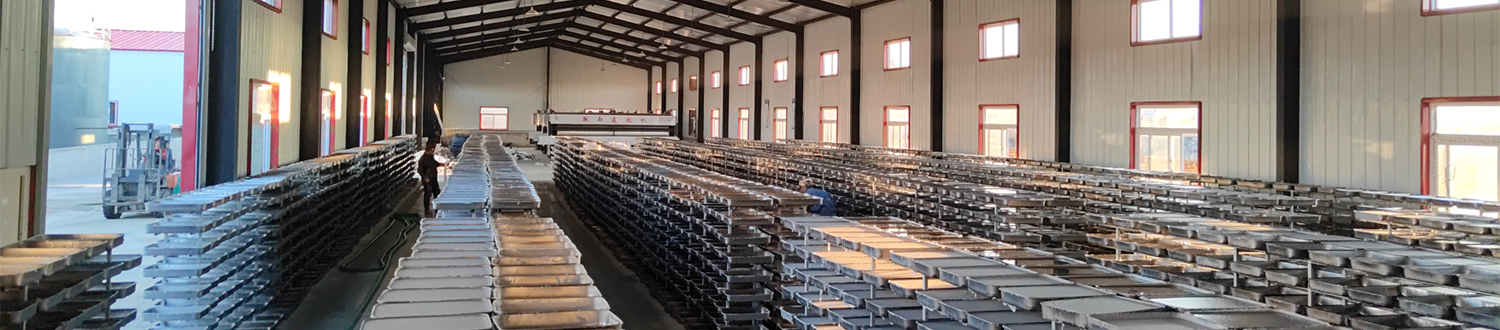
When candle factories first venture into the export market, their primary focus typically lies on pricing and production capacity. However, once they transition to large-scale manufacturing, an increasing number of factories discover that the true determinants of profitability—and the key to fostering long-term client relationships—are, in fact, production stability. Insufficient stability inevitably leads to a cascade of issues: surface cracking, color inconsistencies, erratic burn performance, unstable fragrance diffusion, and even significant discrepancies between different product batches. For export-oriented factories, these issues translate directly into costly rework, customer complaints, and losses incurred during transit. Through its extensive experience serving overseas candle manufacturers, Junda Wax has observed a growing trend: many established clients no longer focus solely on the price of paraffin wax, but instead prioritize the stability of their entire production system.
Paraffin Wax Stability
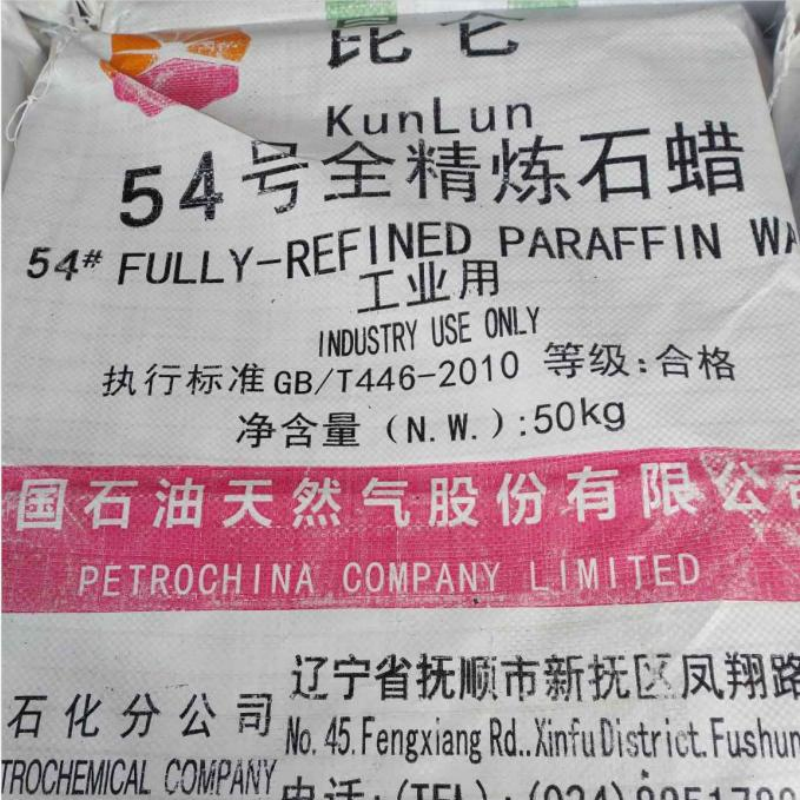
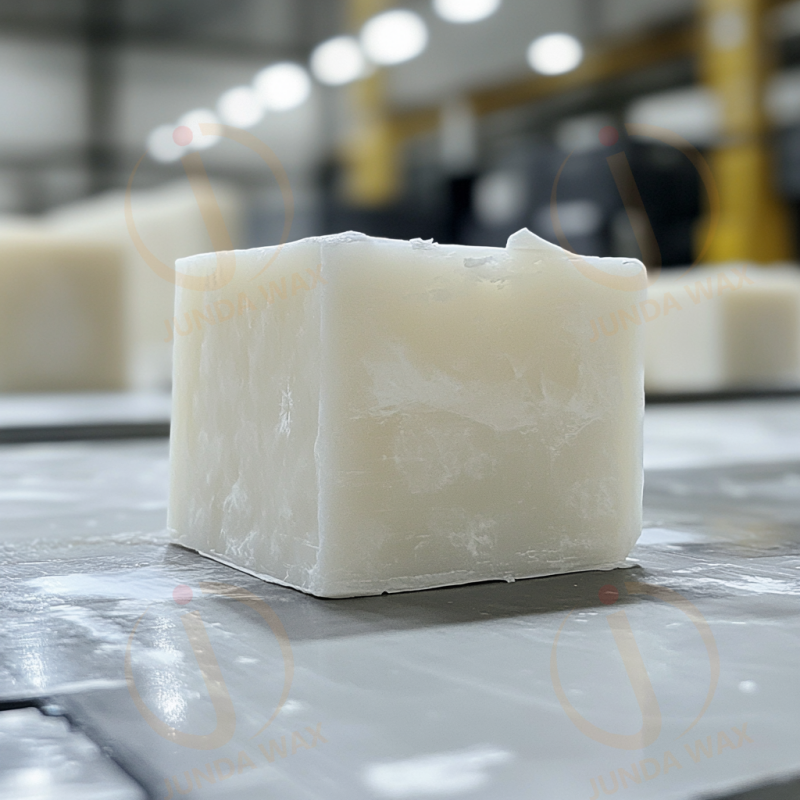
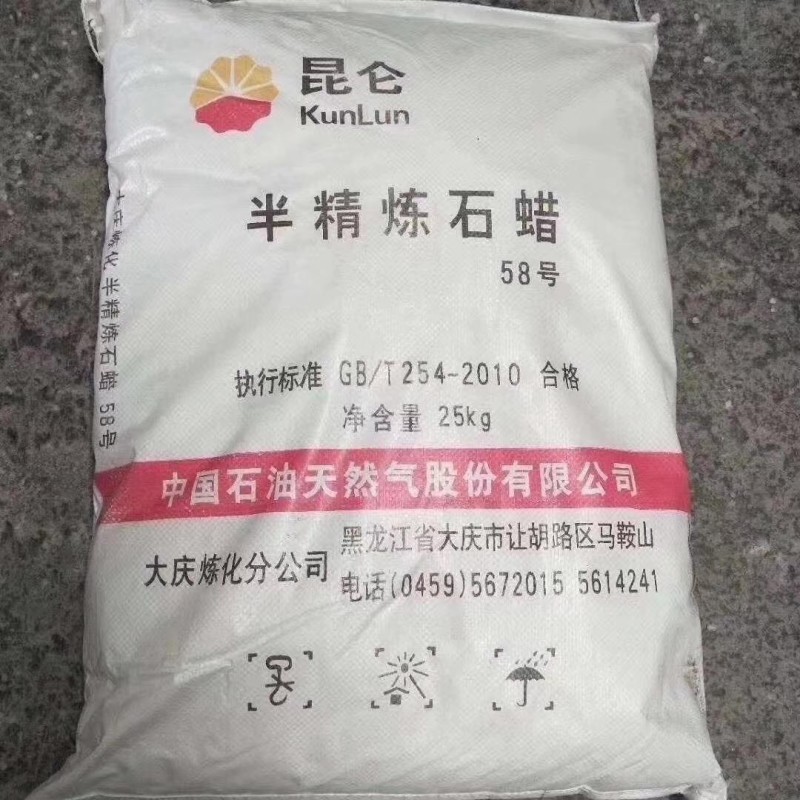
In the past, many factories purchasing paraffin wax would look no further than its melting point and price. However, upon adopting automated production processes, they realized that the consistency of the paraffin wax is actually of far greater importance. If there are significant fluctuations in the melting point, penetration value, or oil content across different batches of paraffin wax, it can easily lead to variable cooling times, inconsistent surface finishes, and increased errors during automated pouring. This is particularly critical on high-speed production lines, where even minute fluctuations can be rapidly amplified. Sometimes, a seemingly minor structural variation in the paraffin wax can ultimately have a direct and substantial impact on both the yield rate and the rate of necessary rework. An increasing number of large-scale candle factories are now placing greater emphasis on the overall consistency of Candle Grade Paraffin Wax, rather than simply pursuing the lowest possible price point. Throughout its long history of exporting, Junda Wax has similarly prioritized the rigorous control of data consistency across different batches, thereby assisting clients in mitigating the volatility challenges inherent in large-scale manufacturing.
Varying Paraffin Wax Structures
Many issues encountered in candle production do not stem from poor paraffin wax quality *per se*, but rather from a mismatch between the wax's structural properties and the specific requirements of the final product. For instance, pillar candles demand high hardness and crack resistance; scented candles prioritize fragrance retention and diffusion capabilities; while tea lights emphasize uniform burning performance. If a factory attempts to apply a single, universal paraffin wax solution across its entire product range, it becomes highly susceptible to encountering various technical issues further down the production line. As a result, many sophisticated factories today—when manufacturing different types of candles—adopt a targeted approach: they specifically fine-tune the melting point, penetration value, and oil content structure of the paraffin wax to suit each distinct product type, rather than relying on a simplistic, one-size-fits-all formula. Throughout its long history of serving candle manufacturers across various countries, Junda Wax assists clients in identifying the most suitable fully refined paraffin wax solutions—tailored specifically to their product types, target markets, and shipping environments.

Temperature Management
Many candle factories focus primarily on equipment and raw materials; however, in reality, workshop temperature management has a profound impact on production stability. If the temperature is too low, the paraffin wax cools too rapidly; conversely, if it is too high, it can compromise the stability of the demolding process. Furthermore, excessive temperature fluctuations between day and night can easily lead to surface cracking or crystallization in the candles. Environmental stability is particularly critical in the production of pillar candles, large-format candles, and scented candles. Many large-scale European candle factories have now begun to implement dedicated temperature controls for their wax-pouring, cooling, and raw material storage zones, having discovered that a stable environment significantly reduces post-production cracking and rework rates. Drawing on its extensive experience in international exports, Junda Wax assists clients in analyzing how paraffin wax performs under various climatic conditions, thereby minimizing production fluctuations caused by environmental variables.
Automated Production
After upgrading to automated equipment, many factories find that while production speeds increase, operational issues actually become more frequent. This is because automated systems impose far stricter requirements on paraffin wax stability than manual production methods do. If the wax exhibits inconsistent flow properties or if its cooling rate fluctuates excessively, it can lead to issues such as inaccurate fill volumes, cutting deviations, and unstable demolding. These problems are significantly amplified on high-speed production lines for tea lights, birthday candles, and pillar candles. Increasingly, sophisticated factories are now optimizing their paraffin wax formulations concurrently with the equipment commissioning phase, rather than relying solely on the capabilities of the machinery itself. With its long-standing expertise in serving automated candle production clients, Junda Wax provides recommendations for the most appropriate paraffin wax specifications—customized to the specific type of equipment, production speed, and product structure in use.
Shipping Stability
Many candles appear to be in perfect condition while still at the factory, yet begin to exhibit defects—such as surface deformation, cracking, diminished fragrance, or even packaging-related indentations—once they arrive at the client's warehouse. These issues are significantly exacerbated during summer shipments and long-distance exports, where high temperatures and cyclical temperature fluctuations place immense stress on the structural integrity of the paraffin wax. Consequently, many export-oriented candle factories have now begun implementing rigorous testing protocols, including high-temperature storage tests, simulated transit tests, and packaging compression tests. Leveraging its extensive experience in exporting to diverse international markets, Junda Wax assists clients in optimizing both their paraffin wax formulations and packaging solutions to ensure maximum stability throughout the shipping process.
One-Stop Supply Solution
Increasingly, large-scale candle manufacturers are shifting toward sourcing all their production materials from a single provider, rather than purchasing paraffin wax in isolation. This trend stems from the realization that every component plays a critical role: paraffin wax influences burning performance; wicks affect flame stability; colorants impact surface finish; fragrances influence crystalline structure; and machinery dictates the cooling rate. If these diverse materials are sourced from multiple vendors, troubleshooting issues later in the process can become exceedingly complex. The primary advantage of a unified supply chain lies not merely in procurement convenience, but—more importantly—in the ability to seamlessly optimize the entire production system. In addition to offering fully refined paraffin wax in various specifications, Junda Wax now provides a comprehensive one-stop supply solution encompassing wicks, colorants, and candle-making machinery, thereby helping clients reduce communication overhead while enhancing overall production stability.
If you are seeking a more reliable solution for candle-grade paraffin wax, or wish to optimize your entire candle manufacturing workflow, we invite you to contact Junda Wax at any time. Based on your specific product type, equipment configuration, and target market, we can assist you in identifying the most suitable fully refined paraffin wax and a tailored, integrated production support package.
