

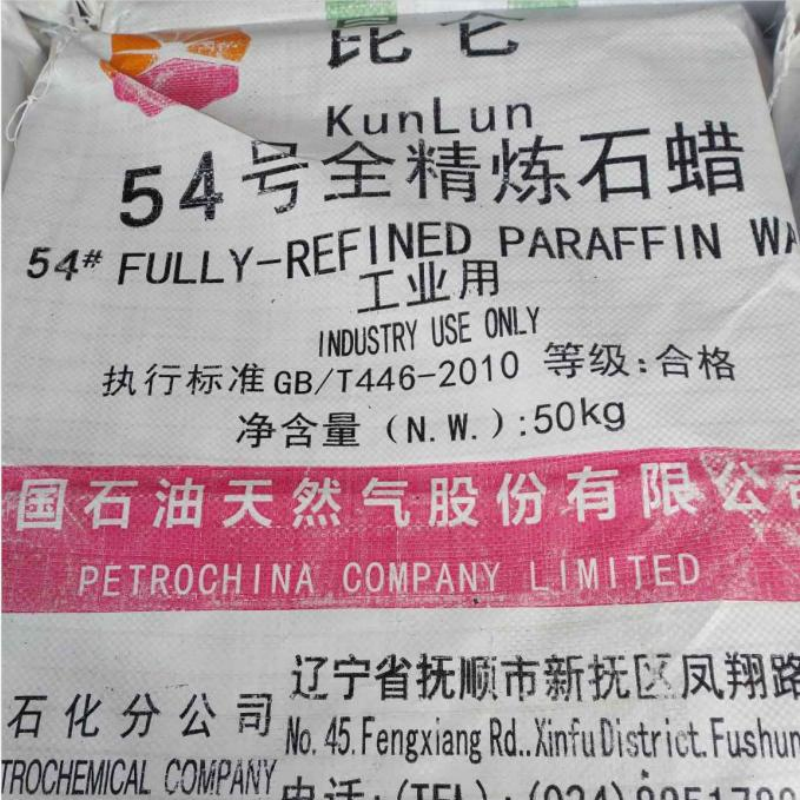
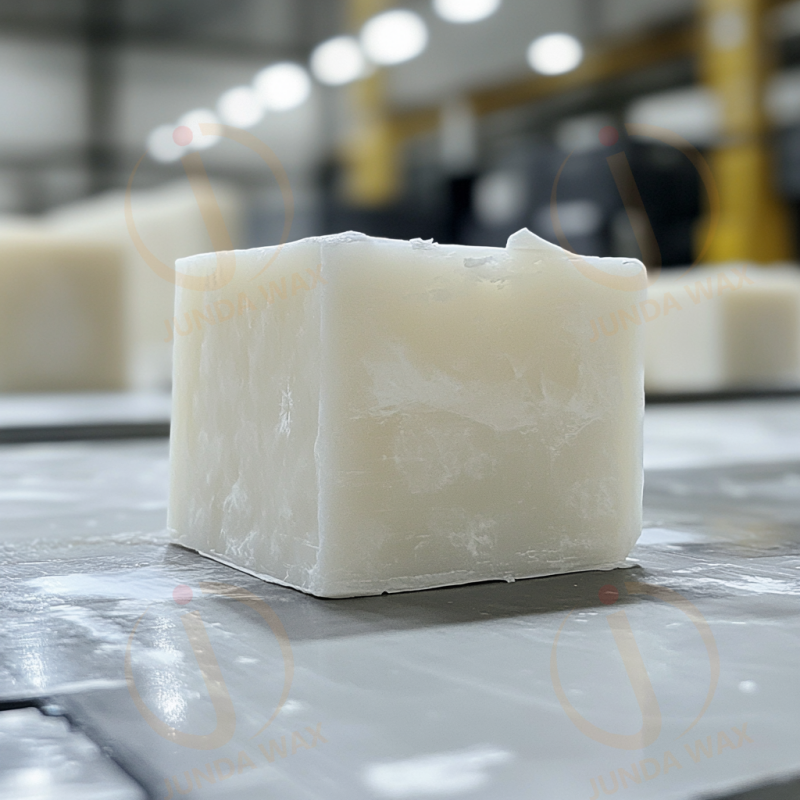
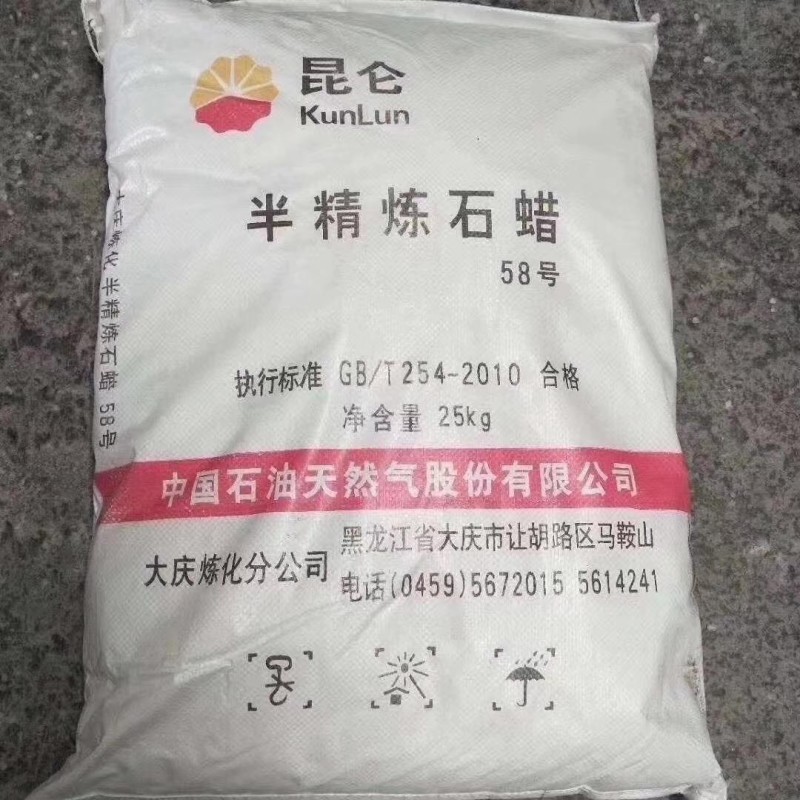
Even with identical fragrance ratios, some waxes smell intensely aromatic with excellent diffusion, while others feel as though the scent is trapped—remaining barely perceptible even after lighting. Consequently, people often begin to suspect the fragrance itself; however, in many cases, the root of the problem lies in the paraffin wax's inherent scent-locking capability. Simply put, this capability determines whether the paraffin can effectively encapsulate the fragrance, retain it, and hold it stably within its structure. From a material selection perspective, this factor is absolutely critical. Drawing upon our extensive experience at Junda Wax—where we have served clients across various countries for many years—we have found that a wax's scent-locking capability can actually be assessed through a few simple methods.
I. How Much Scent Is Perceptible Before Lighting?
The most intuitive method of assessment is the "Cold Throw." After the fragrance-infused wax has cooled and solidified, evaluate its scent at room temperature. If the aroma smells natural and clean, it indicates that the paraffin wax is achieving a balanced equilibrium between encapsulating and releasing the fragrance. Conversely, if the cold throw yields almost no scent—or if the aroma feels muffled—it is highly probable that the paraffin's crystalline structure is too dense, effectively trapping the fragrance deep inside and preventing its release. Conversely, if the cold throw produces an overly pungent or even "oily" scent, it may signal an unstable bond between the wax and the fragrance—a condition that often leads to combustion-related issues later on. When supplying semi refined paraffin wax for scented candle applications, Junda Wax places a strong emphasis on cold throw performance, ensuring that the wax effectively carries the fragrance without unduly suppressing it.
II. Diffusion Performance During Combustion
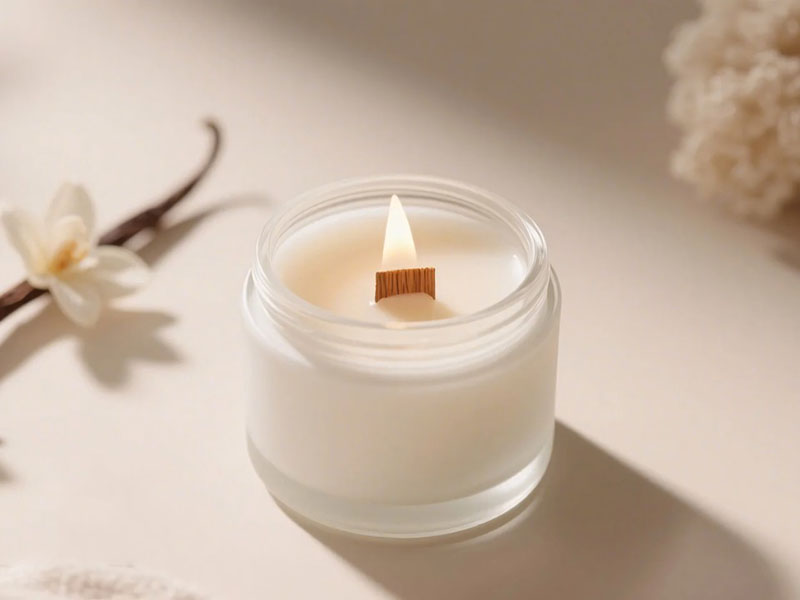
Scent-locking capability involves not only retaining the fragrance but also releasing it effectively. Once the candle is lit, observe whether the fragrance diffuses evenly and exhibits distinct aromatic layers. If the scent is released gradually as the wax burns—and diffuses naturally throughout the space—it suggests a strong compatibility between the semi refined paraffin wax and the fragrance. If the scent remains faint even after lighting, the issue typically lies not with the fragrance itself, but rather with the paraffin's structural properties or melting point, which may be disrupting the release rhythm. Similarly, if the scent is initially strong but fades rapidly, it may again indicate an unstable bond between the wax and the fragrance. At Junda Wax, we offer tailored recommendations for scented candle applications—spanning products with various melting points and oil content levels—to help our clients identify the optimal wax-fragrance combination, rather than simply recommending a single, generic product specification.
III. Observing the Candle's Surface Condition
One easily overlooked detail is the condition of the candle's surface after it has solidified. If the surface exhibits a slightly oily sheen, shows signs of fragrance "bleeding" (seeping out), or appears glossy in localized areas, it strongly suggests that the semi refined paraffin wax lacks sufficient capacity to effectively hold and contain the fragrance. This issue becomes particularly pronounced in high-temperature environments or during transit; it not only compromises the product's visual appeal but also leads to the premature evaporation and loss of fragrance. A stable, fully refined paraffin wax should maintain a dry surface after cooling while effectively encapsulating the fragrance within its internal structure. During its production and refinement processes, Junda Wax carefully balances oil content with structural stability to mitigate this "fragrance leakage" issue.
IV. Assessing the Melt Pool
The condition of the melt pool during combustion is also a critical factor. An ideal melt pool should be uniform—neither too deep nor too shallow—to ensure a steady release of fragrance. If the melt pool is too shallow, fragrance diffusion is restricted; conversely, if it is too deep, the scent may be released too rapidly, resulting in a diminished fragrance intensity later on. The characteristics of the melt pool depend not only on the candle wick but also on the semi refined paraffin wax's melting point and structural properties. Paraffin wax with superior fragrance-retention capabilities typically forms a stable melt pool, thereby ensuring a more enduring scent release. In addition to supplying Fully Refined Paraffin Wax, Junda Wax offers complementary services—including the provision of wicks and expert production advice—to assist clients in optimizing the overall combustion system.
If you are currently refining your scented candle formulations or encountering issues with inconsistent fragrance diffusion, we encourage you to re-evaluate the Fully Refined Paraffin Wax itself. Junda Wax offers a comprehensive range of fully refined paraffin waxes in various specifications, alongside a one-stop supply of wicks, colorants, and candle-making equipment, complete with tailored recommendations based on your specific product type. If you are looking to enhance the stability and market competitiveness of your product's fragrance performance, please do not hesitate to contact us; together, we can perfect every detail of your product.
