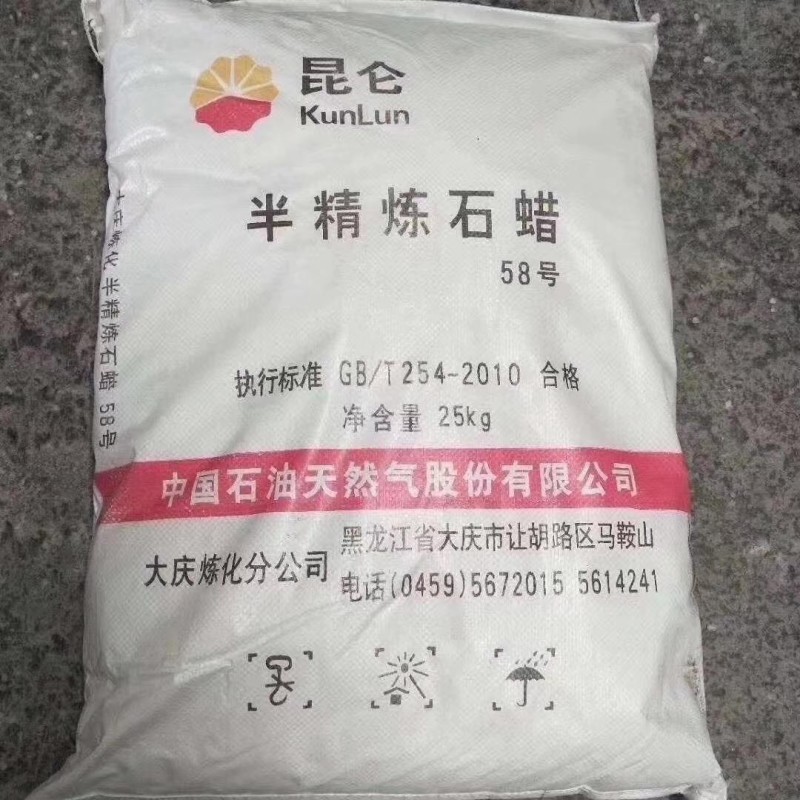
In paraffin wax procurement decisions, purity is a key indicator affecting performance, cost, and applicable fields. Understanding the characteristics and applicable scenarios of paraffin wax of different purity grades can help buyers more accurately match production needs and achieve the optimal balance between cost and quality.
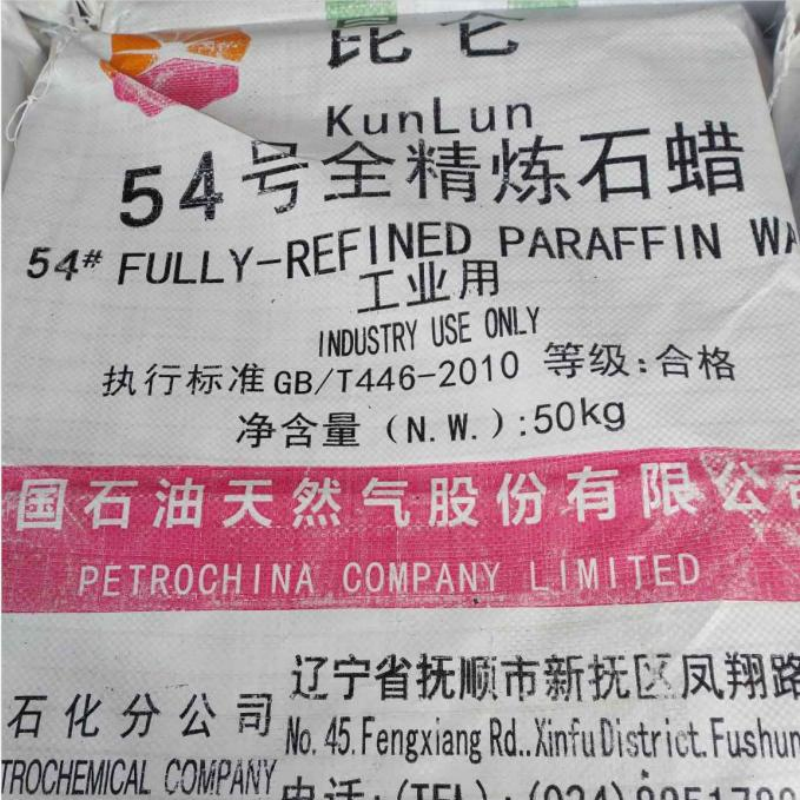
1. Fully Refined Paraffin Wax:
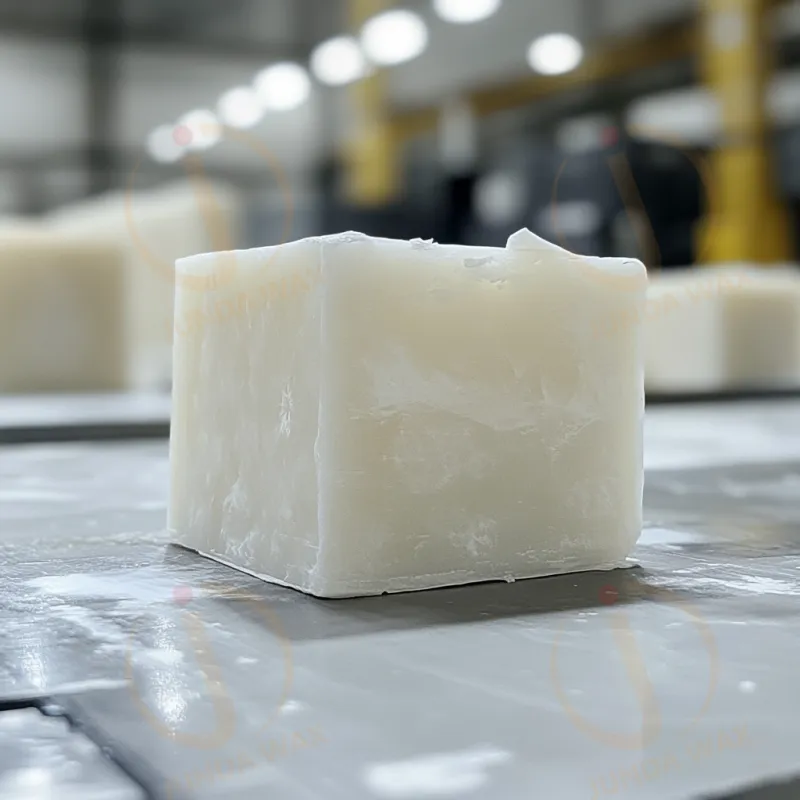
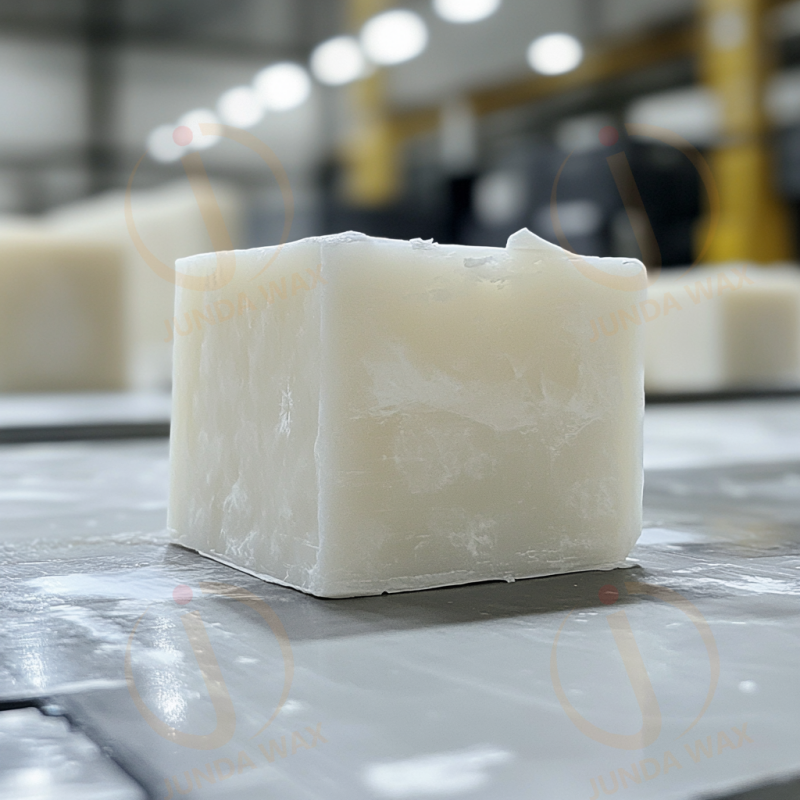
Pure white color, odorless, highly chemically stable, and extremely low impurities.
Typical Uses:Luxury candles: like wedding candles and branded scented candles, which need the pure color, no smoke, and the release of the pure fragrance.
Food and cosmetic packaging: Meets hygiene and safety standards for materials in direct contact.
Precision instrument protection: High stability prevents oxidation or residue contamination.
Procurement Tips: Suitable for fields with strict requirements on color, odor, and safety, but the price is 10%-30% higher than semi-refined wax.
2. Semi refined Paraffin Wax
Core Characteristics: Pale yellow to milky white, no irritating odor, high cost-effectiveness, and excellent processing performance.
Typical Applications:
Everyday Candles: Household lighting candles, holiday decorative candles, bulk candles for hotels, etc., with controllable costs and stable combustion performance.
Industrial Coatings and Packaging: Such as waterproof coatings for cardboard, impregnation of ordinary commodity packaging.
Rubber and Textile Additives:
Facilitates flexibility and gives the non-stick effect.
Advantages and Highlights:
A great range of melting point (52℃-66℃), can be adjusted to product needs under different climate conditions.
Good Compatibility:
Ready to color and scent, and can be mixed with other waxes (soybean wax, beeswax) very flexibly.
High yield (>95%), perfect for quick demolding on automated production lines, no need for complicated equipment.
Purchasing Tips:
The best choice to combine quality and cost, very well suited for medium to large-volume production.
3.Crude Paraffin Wax
Key Characteristics: Yellowish to dark yellow in color, high oil content, and soft texture.
Typical Applications:
Industrial Rust and Corrosion Prevention Coatings: Used for short-term protection of metal parts.
Low-cost waterproofing materials: such as impregnation treatment for building fiberboard.
Matches and torch fuel: as auxiliary combustion base materials.
Procurement tips: suitable for industrial scenarios where appearance and odor are not critical; the price is the most competitive, but the impact of impurities on subsequent processes needs to be assessed.
Procurement decision recommendations:
Matching requirements: First, clarify the core requirements of the product for color, odor, and safety standards, then select the corresponding purity level to avoid "over-purchasing" or "insufficient performance."
Verifying supply chain stability: Refined waxes rely on more complex production processes, so it is necessary to pay attention to the supplier's capacity stability; semi-refined wax supply chains are mature and more suitable for long-term, large-volume cooperation.
Requesting samples for testing: Especially for new processes or mixed formulations, it is recommended to request small samples for on-site testing such as melting, coloring, and burning to ensure compatibility.