
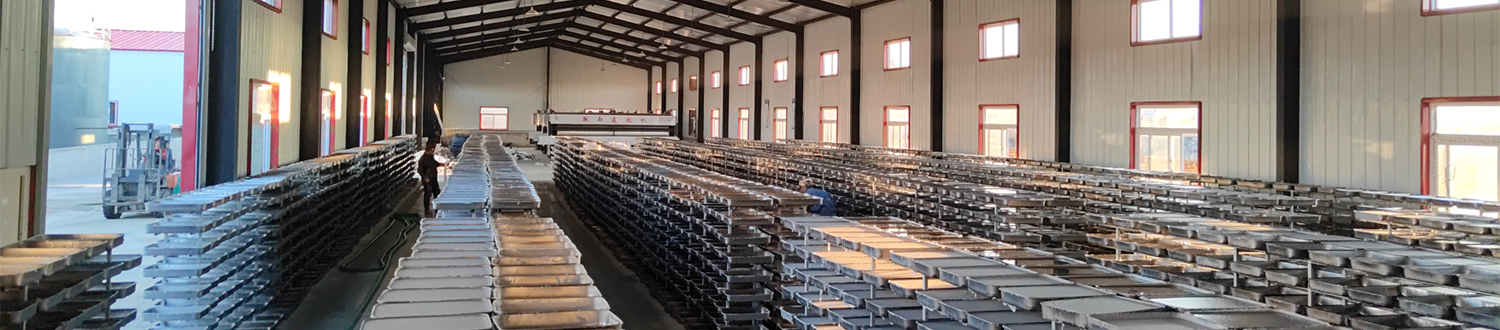
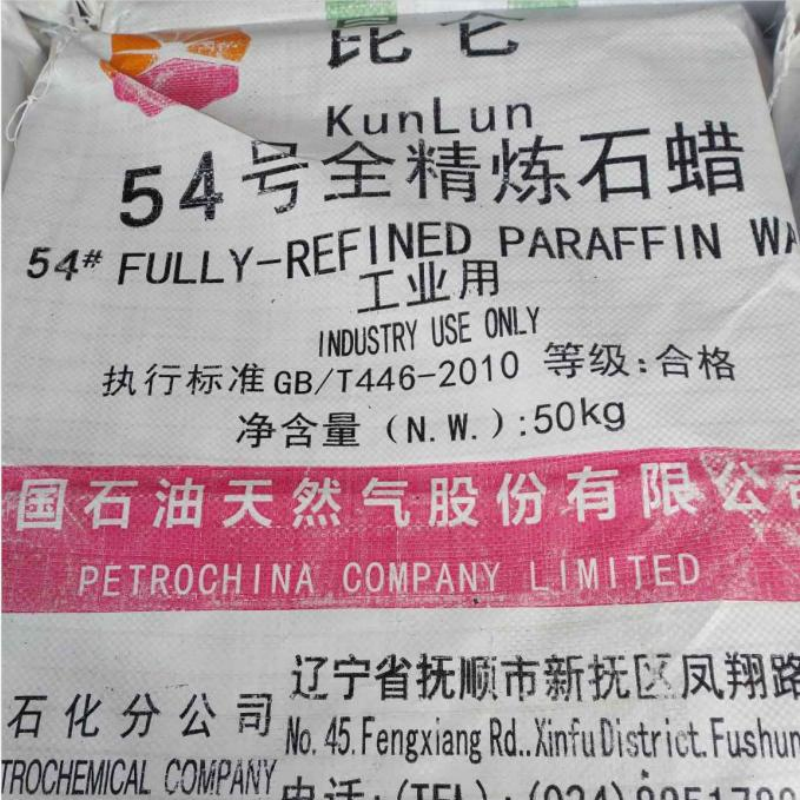
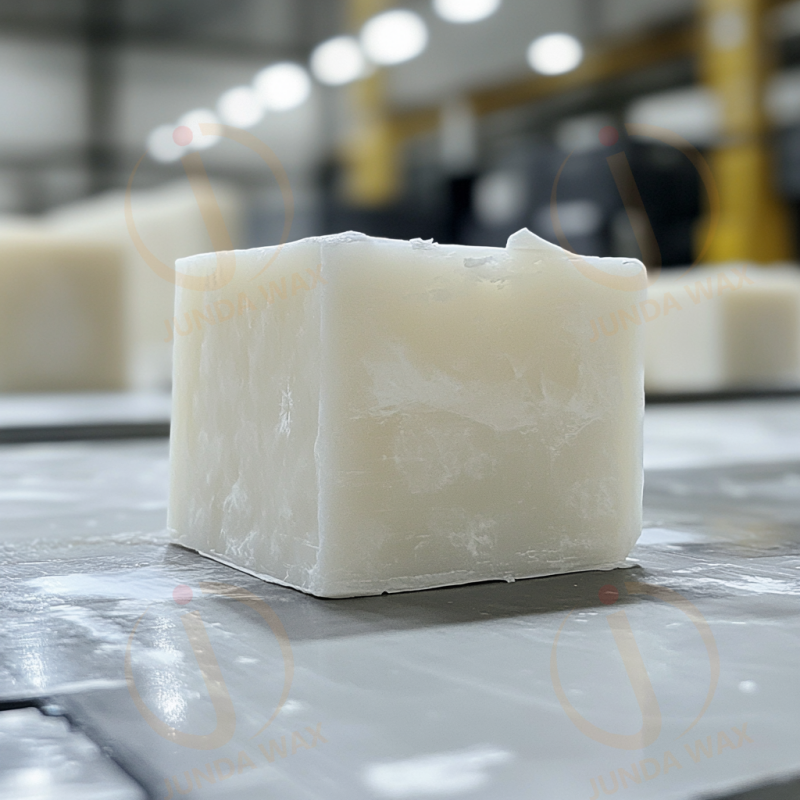
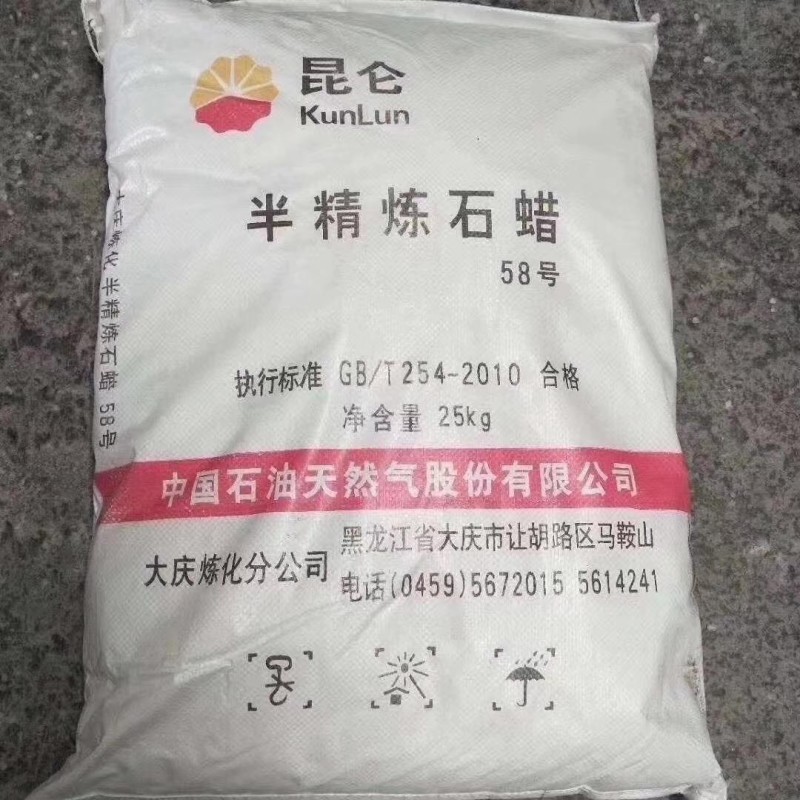
The quality of paraffin wax doesn't need a combustion test; clues can be seen the moment it's demolded. Especially, whether the oil content is too high often becomes apparent during demolding. Instead of focusing on the numbers on the test report, observe its performance in actual production. From a paraffin wax selection perspective, the demolding state is a very intuitive criterion.
If demolding is too smooth, it may indicate a problem.
Normally, fully refined paraffin wax should be able to be easily demolded after complete cooling, neither sticking to the mold nor feeling slippery as if it's been oiled. If demolding feels unusually smooth, or even leaves a noticeable oily residue on the mold walls, this often indicates a high oil content. Paraffin wax with a high oil content will form a slight oil film on its surface after cooling, seemingly facilitating demolding, but this may lead to oil seepage or high-temperature deformation problems later. Junda Wax strictly differentiates oil content ranges during the production of different grades of paraffin wax to ensure smooth demolding without excessive slipperiness.
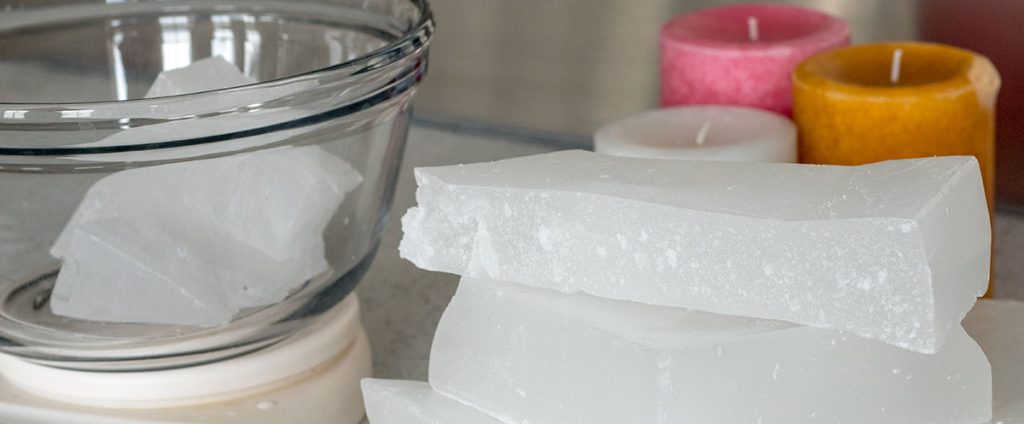
Shiny or Oily Surface on Paraffin Wax
If the surface of the columnar wax exhibits abnormal shine, localized oily marks, or even slight sweating after demolding, it generally indicates that the oil content is not ideally controlled. This phenomenon is particularly noticeable in high-temperature environments. High oil content not only affects appearance but also impacts packaging and transportation stability. This problem is amplified for customers exporting to high-temperature regions such as the Middle East, Africa, or Southeast Asia. Junda Wax, with years of experience exporting to numerous countries and regions, provides matching recommendations based on the temperature conditions of the target market when selecting specifications.
Softening at the Edges After Cooling May Also Be Related to Oil Content
If the edges slightly collapse after demolding and feel soft to the touch, it usually indicates insufficient overall hardness of the paraffin wax. High oil content reduces the hardness of the paraffin wax, decreasing its structural support capacity. This is especially true for tall column waxes or large candles, which require even higher hardness; otherwise, they are prone to deformation during transportation. Junda Wax combines melting point and oil content control during production, rather than adjusting a single indicator, to ensure structural stability.
It's important to note that mold temperature, ambient temperature, and cooling time all affect demolding performance. For example, insufficient cooling time can lead to a soft surface. Therefore, to determine if the oil content is too high, it's recommended to compare different batches of samples under the same conditions and observe them multiple times. Truly stable paraffin wax should exhibit consistent demolding performance under the same mold and process conditions. Junda Wax, relying on its mature production line and stable raw material system, can maintain batch consistency in long-term supply, reducing the hassle of frequent adjustments to production parameters.
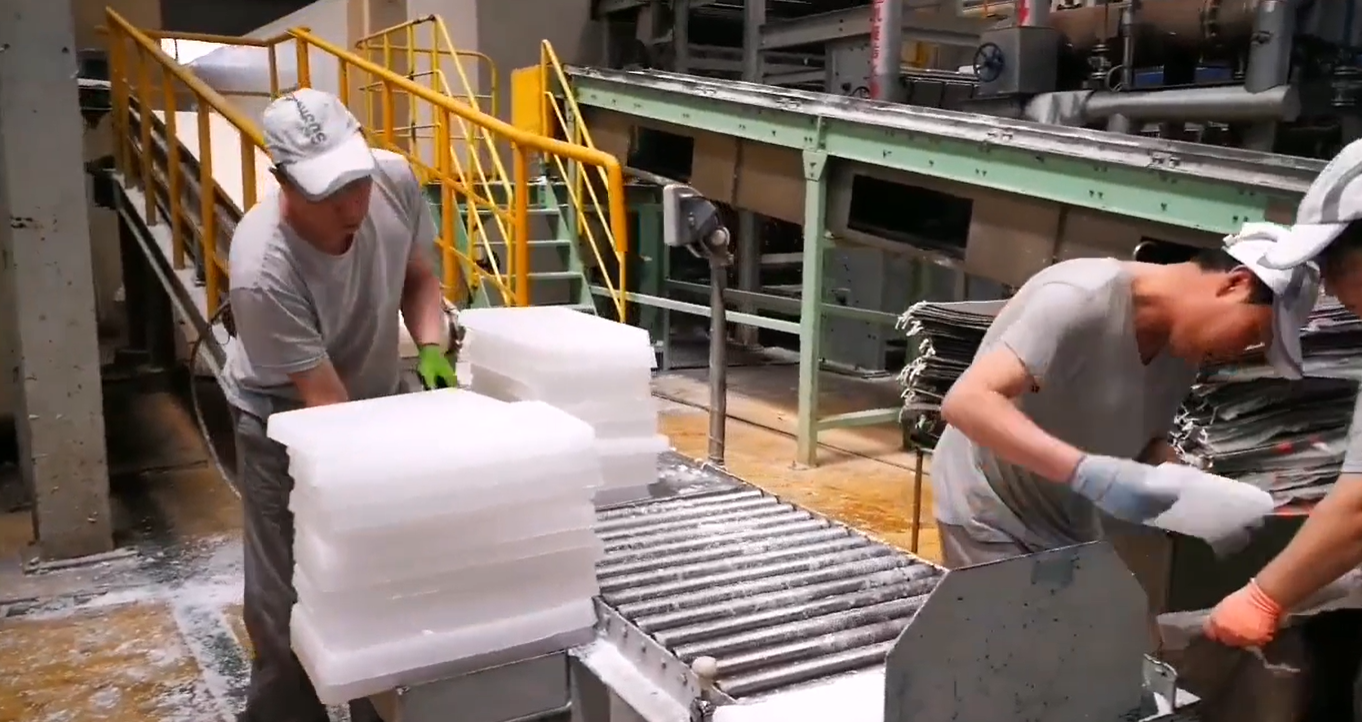
Demolding is only a practical window into oil content, but ultimately, it's necessary to evaluate it in conjunction with the cooled surface condition, hand hardness, and combustion test results. From a material selection perspective, truly reliable fully refined paraffin wax not only has reasonable test data, but more importantly, it exhibits stable performance in actual production. Junda Wax not only provides fully refined paraffin wax with different oil content ranges but also offers a one-stop supply of wax lines, color powders, and candle production equipment, providing comprehensive support from raw materials to equipment to help customers produce more stable products.
In conclusion, observing whether demolding is unusually smooth, the surface is glossy, and the edges are soft can provide a preliminary indication of whether the oil content of the paraffin wax is too high. However, the truly crucial factor is choosing a supplier who can provide a stable, long-term supply with clear specifications and transparent parameters. If you are testing new paraffin wax materials or want to optimize your existing product structure, please contact Junda Wax. We can provide more suitable specification suggestions and continuous supply support based on your product type and market needs.
