
Candles may seem simple, but making an Fully Refined Paraffin Wax-rated candle burn longer, more stably, and more beautifully involves many intricate details of craftsmanship. Junda wax, through collaborations with candle factories in North America, Europe, the Middle East, and Southeast Asia, has discovered that factors influencing candle burning time are crucial, ranging from wax and wick selection to dye ratios, container materials, and pouring temperature.
Many customers believe, "As long as the paraffin wax is good, the candle will burn long." While Fully Refined Paraffin Wax-rated wax is indeed fundamental, the true determinant of extended burning time lies in the comprehensive coordination of the entire system.
Junda wax will guide you through the process, from raw materials to equipment: How exactly is an Fully Refined Paraffin Wax-rated candle made to burn longer?
I. Raw materials are fundamental
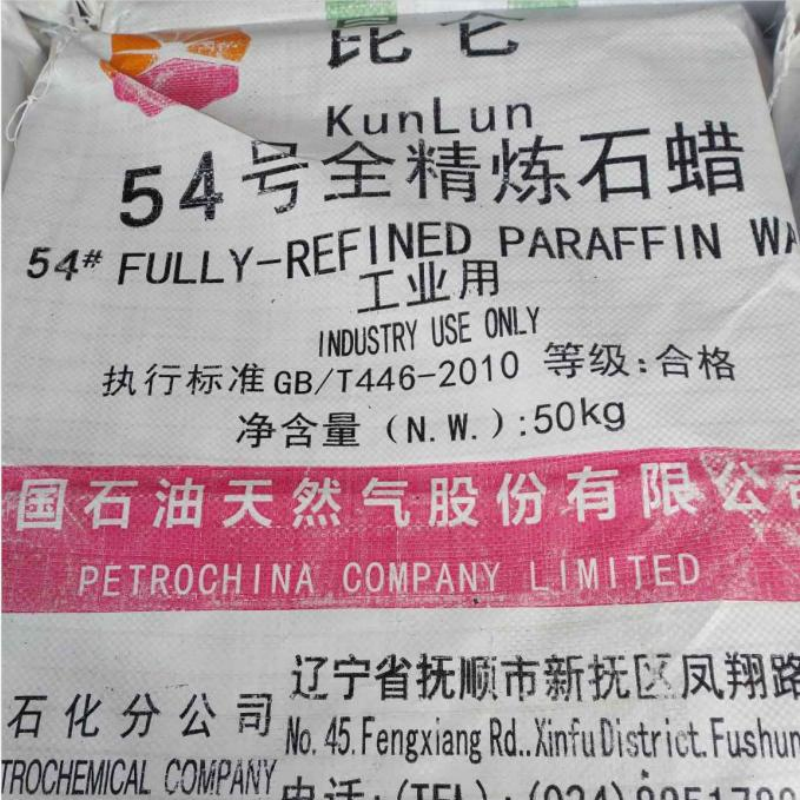
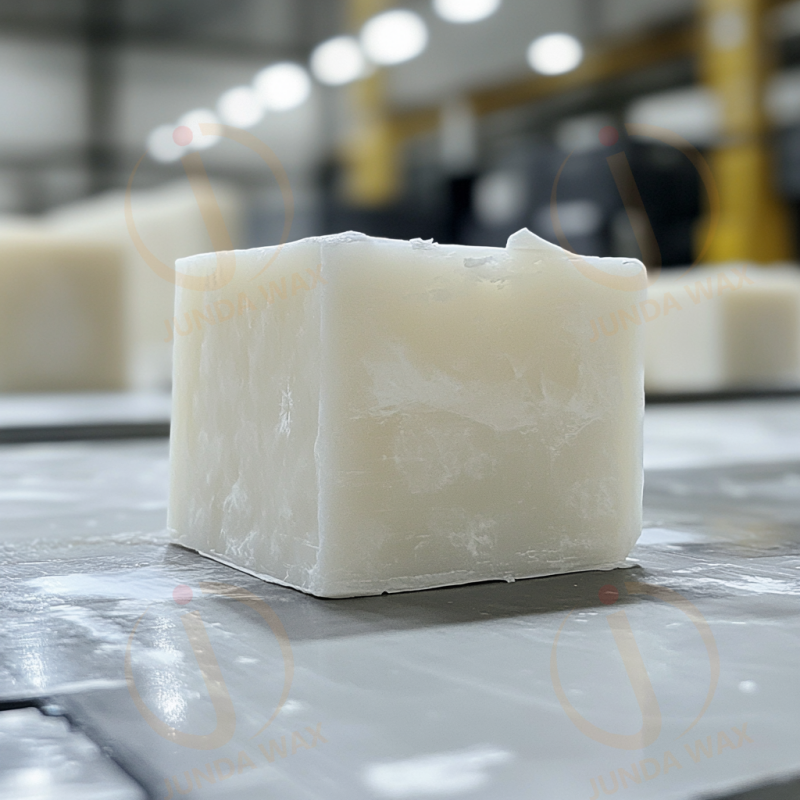
When making long-burning candles, the raw materials almost determine half of the result, and Fully Refined Paraffin Wax is the "long-burning" raw material widely chosen by our global customers. Because its oil content is less than 0.5%, it is clean, clear, and has few impurities. During combustion, energy is not dispersed by impurities but is focused more on melting and burning, resulting in a more stable and slower flame, thus saving wax. The low oil content also means the wax doesn't flow erratically and is less likely to form a deep molten pool too quickly, naturally extending the entire burning period. Furthermore, its stable ignition point prevents inconsistent flame size and avoids unnecessary overheating of the wax. Due to these advantages, our customers exporting to Europe, America, the Middle East, and Southeast Asia mostly use Fully Refined Paraffin Wax to produce long-burning cup candles, religious candles, outdoor candles, Christmas candles, etc., and the consistent feedback is: long-burning, stable, and worry-free.
II. The choice of candle wick can also affect the burning time.
Many people believe that extending burning time simply requires switching to Fully Refined Paraffin Wax, but practical experience tells us that the wick is absolutely the key factor affecting burning time. A wick that's too thick will result in a larger flame, causing the wax to burn out quickly; a wick that's too thin will produce a weak flame, insufficient wax pool, and incomplete combustion—both of which significantly shorten the actual burning time. Therefore, choosing the right wick thickness is the first step in determining whether you can "save wax and burn longer." Additionally, the wick's weave method also affects the wax absorption rate. For example, flat-woven cotton wicks are suitable for stable burning of column candles, paper wicks produce a stronger flame and are suitable for large-diameter candles, while eco-friendly wicks produce less smoke and are suitable for home candles. Junda Wax offers a wide variety of export-grade wicks, including cotton, paper, and wood wicks, and will provide more precise recommendations based on your candle diameter, wax ratio, and fragrance proportions to ensure a stable and long burn.
III. Temperature is also crucial.
Many candle-making novices think that "just melt it and pour it in," but factories that truly make candles burn longer know that temperature control is a technical skill that combines "mystery and science." Fully Refined Paraffin Wax wax itself needs to be melted within a relatively precise temperature range. Too high a temperature will damage the wax's structure, making it softer and resulting in a faster burn; too low a temperature will easily produce bubbles, white fog, or even an uneven surface, all of which will affect combustion. The pouring temperature is equally important. For example, if poured too hot, the wax will not stick to the cup and will crack; if poured too cold, it will easily cause depressions and layering, resulting in an unstable flame, leading to more wax burning and a shorter burn time. Therefore, when Junda Wax provides paraffin wax to its customers, it always tells them the most suitable melting temperature range. Some customers even directly purchase Junda Wax's export-grade constant-temperature melting tanks because the temperature difference can be controlled within ±1℃, resulting in very stable candle burning times. Many customers from Europe and South America say, "After using a thermostat, candles of the same weight burn for 20-30 minutes longer." This shows that temperature control is actually the key to extending burning time.
IV. Additives and Proportions
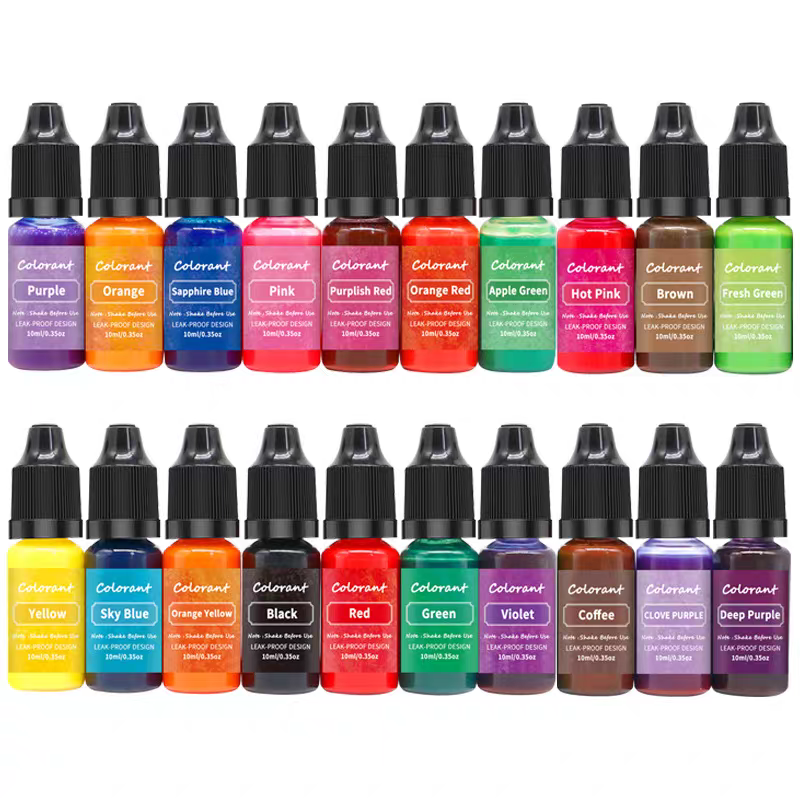
While most of our clients use Fully Refined Paraffin Wax for unscented or long-lasting religious candles, many clients who produce scented candles add fragrance, dyes, or small amounts of plant wax to adjust the appearance or scent. The biggest misconception here is that "the more you add, the better." In fact, excessive addition not only fails to improve candle quality but also causes problems such as faster burning, more black smoke, and an uneven surface. Especially if the proportion of fragrance is too high, it will soften the wax, causing the flame to heat the wax faster and ultimately shortening the burning time. When exporting Fully Refined Paraffin Wax, we also provide reasonable additive ratio suggestions based on the different product needs of our clients. For example, for clients making long-lasting cup candles, we usually recommend that the fragrance not exceed 5%, and that the dye use a fat-soluble, high-fastness system to ensure uniform color, no powdering, no impact on the ignition point, and to maintain the structural strength of the wax. Many clients have reported that after using the formula provided by Junda Wax, their candles burn more slowly, the flame is more stable, and the final product is more even and durable. Therefore, to make truly long-lasting candles, the formula is not about piling on ingredients, but about a stable, scientific ratio suitable for your factory's processes.
V. Mold and Container Selection
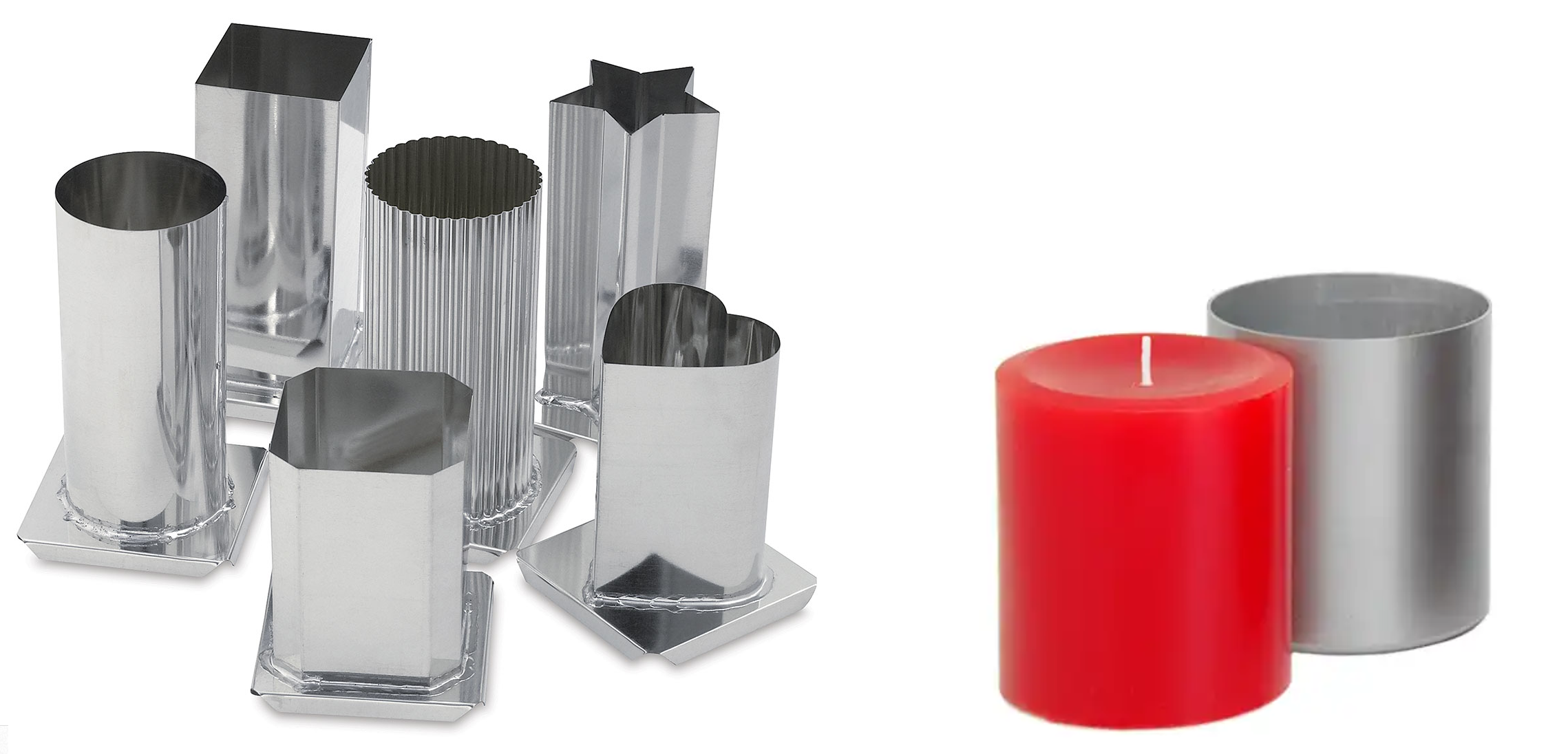
Different containers can drastically alter the performance of candles from the same batch. For example, transparent glass cans transfer heat to the wax more quickly, allowing for more even melting and extending the overall burning time. Metal cans, on the other hand, dissipate heat quickly, potentially resulting in a narrower molten pool and a weaker flame; if the wick is not properly matched, it can easily extinguish prematurely. The same applies to pillar wax and canister wax. Without container protection, pillar wax relies entirely on its own structure and wick to determine its burning efficiency. Therefore, for pillar wax to burn for a long time, the wax must be hard enough and the wick stable enough; otherwise, a large flame will quickly melt the outer wax, leading to faster consumption. When Junda Wax exports candle machinery to many newly established candle factories, it provides container selection advice—such as which canister diameter is suitable for which type of wick, what canister wall thickness is more conducive to long burning, and whether the metal canister needs bottom heat dissipation treatment. Many customers have improved their container systems after following this advice, increasing the burning time of a single candle by about 20%. Therefore, while the container may seem like just a "wax container," it is actually a crucial factor affecting burning time.
VI. Professional Equipment
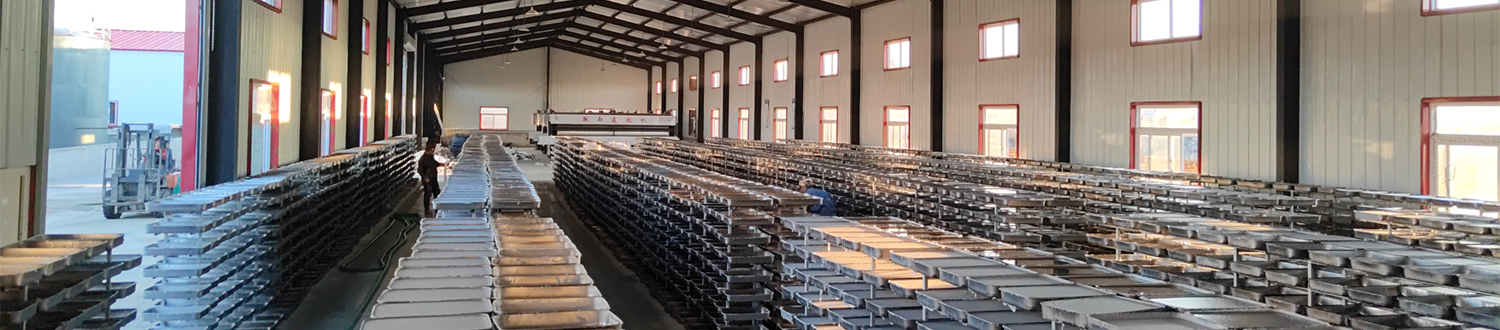
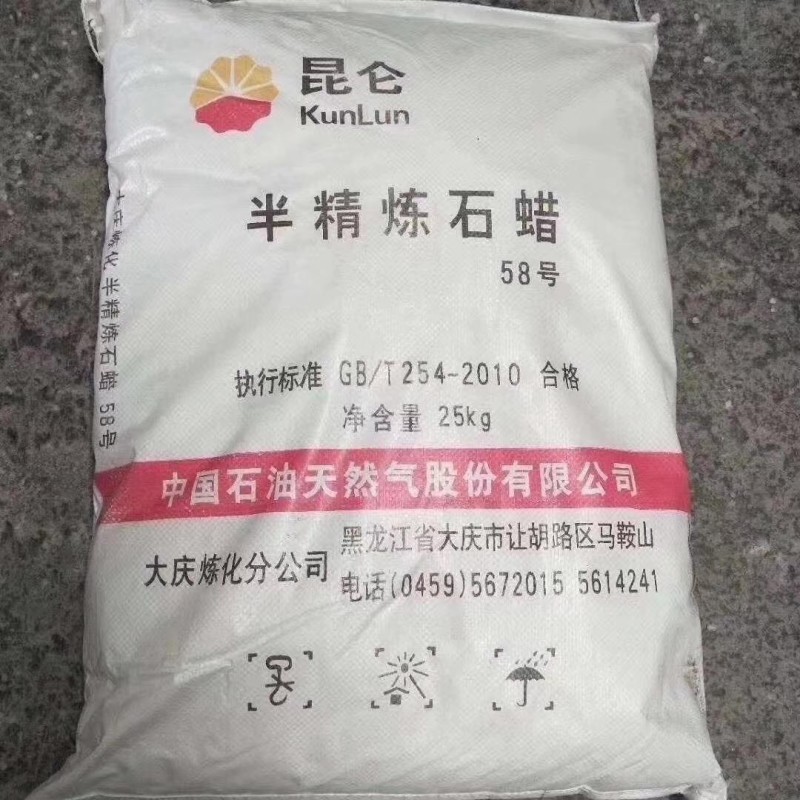
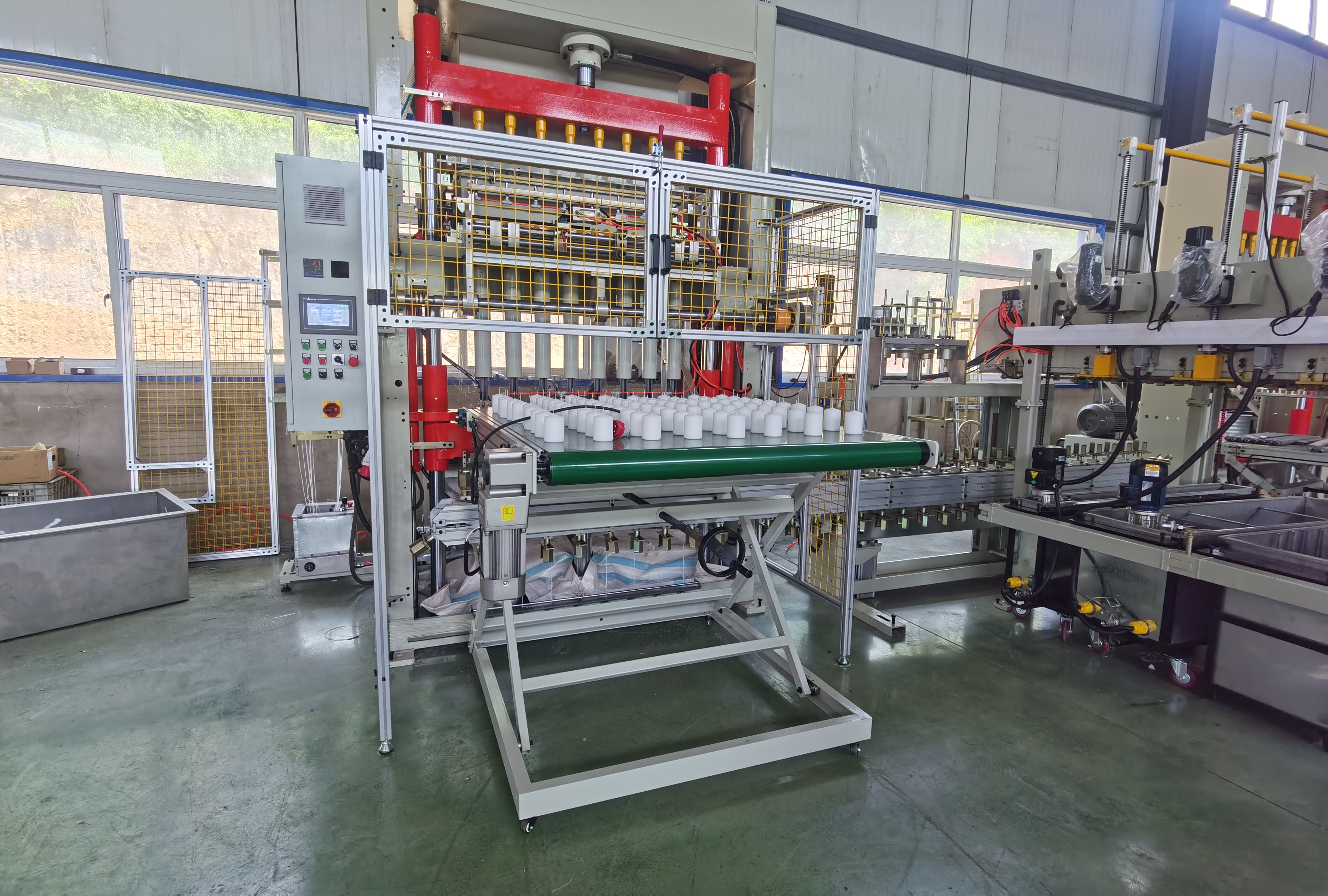
In the past, candle making relied heavily on experience and manual labor. However, in recent years, most large-scale factories producing both scented and unscented candles have begun upgrading their equipment. Automation allows each candle to be "more consistent and burn longer." For example, a precise constant-temperature melting tank ensures that each batch of wax maintains a uniform temperature, preventing inconsistent wax structure due to temperature differences. Automatic stirrers ensure that fragrances or dyes are dispersed more evenly, preventing localized softening or hardening. Specialized filling machines control the filling temperature and speed, avoiding air bubbles caused by pouring too quickly and preventing variations in the finished product due to human error. Junda Wax not only exports raw materials such as Fully Refined Paraffin Wax, semi-refined paraffin wax, and microcrystalline wax, but also various candle equipment, including melting tanks, pouring machines, wick positioning equipment, and automatic candle filling lines. Many new factories from Southeast Asia, South America, and the Middle East directly contact us for "one-stop supply," sending them a complete set of raw materials, wicks, dyes, fragrances, containers, and equipment, allowing them to start production within a week. This method not only saves trial and error time, but also makes the burning time of the final product more stable and controllable.
To make an Fully Refined Paraffin Wax candle burn longer, it's not about a single step, but a combination of factors including raw materials, wicks, formula, temperature, container, equipment, and process. In our experience exporting fully refined paraffin wax, Junda Wax has worked with many candle factories in Europe, America, the Middle East, South America, and Southeast Asia. The common consensus is that stable raw materials, controllable processes, and adequate equipment result in candles that burn longer and more consistently. Therefore, in addition to supplying various Fully Refined Paraffin Wax candles, we also provide wicks, dyes, fragrances, containers, molds, and complete candle production equipment—a one-stop shop for all your needs from wax melting to filling. If you're new to the candle industry or looking to upgrade your product line, feel free to contact us at RobyHuo@jundawax.com. We also welcome you to visit our factory and experience the entire process firsthand, from raw materials to equipment, from samples to finished products.
