
Why do Fully Refined Paraffin Wax candles crack?
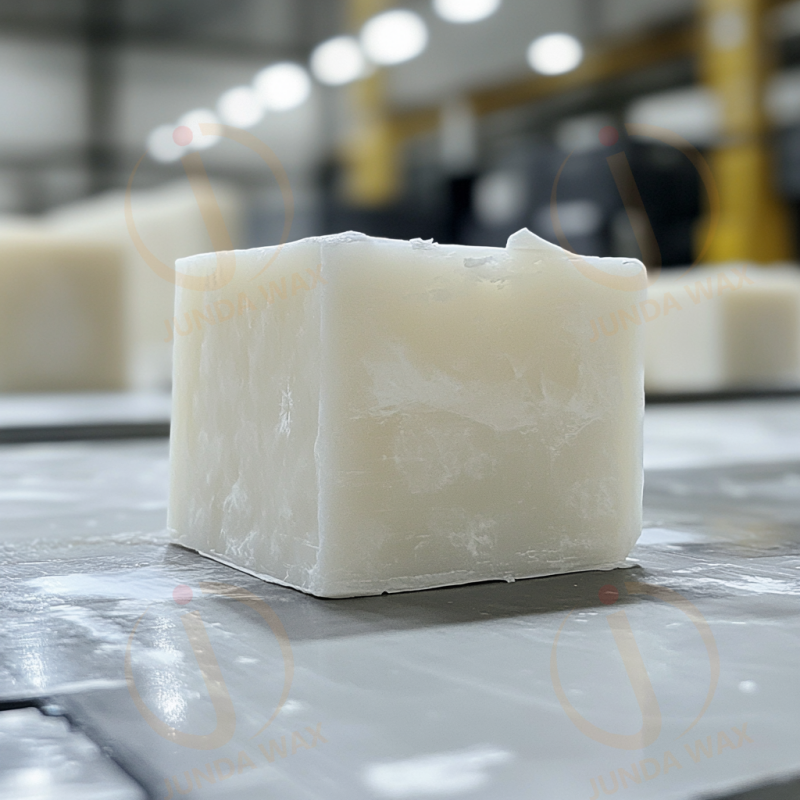
Fully Refined Paraffin Wax has high purity and crystallinity, resulting in a dense molecular arrangement. Therefore, during cooling, it may shrink too quickly, causing fine cracks, especially in large or thick-walled candles.
Everyone wants to produce or buy candles with smooth, crack-free surfaces. However, even using high-quality fully paraffin wax 58-60, cracks sometimes appear after cooling. This doesn't necessarily mean there's a quality problem with the fully paraffin wax 58-60 itself, but rather it may be related to factors such as the production formula, temperature control, and mold design. When encountering cracked candles, consider these aspects and make corresponding adjustments.
How to operate during the pouring and cooling process?
Even with a correct formula or other correct procedures, improper operation during the candle pouring process can still cause cracks on the candle surface.
A pouring temperature of 80–85°C is ideal; too high a temperature will cause excessively rapid cooling and shrinkage, while too low a temperature can easily lead to air bubbles. (Adjustments can be made based on different factory environments and climate conditions; most can meet these requirements.)
Preheating the mold to around 40°C can reduce the temperature difference in the condensation layer.
Avoid direct drafts or air conditioning during the candle cooling stage; natural cooling is recommended.
We have a client in a Los Angeles candle factory who, after adopting our recommended solution, saw their crack rate drop from 15% to less than 2%, and the candle surface became smoother and shinier; the client feedback was excellent.
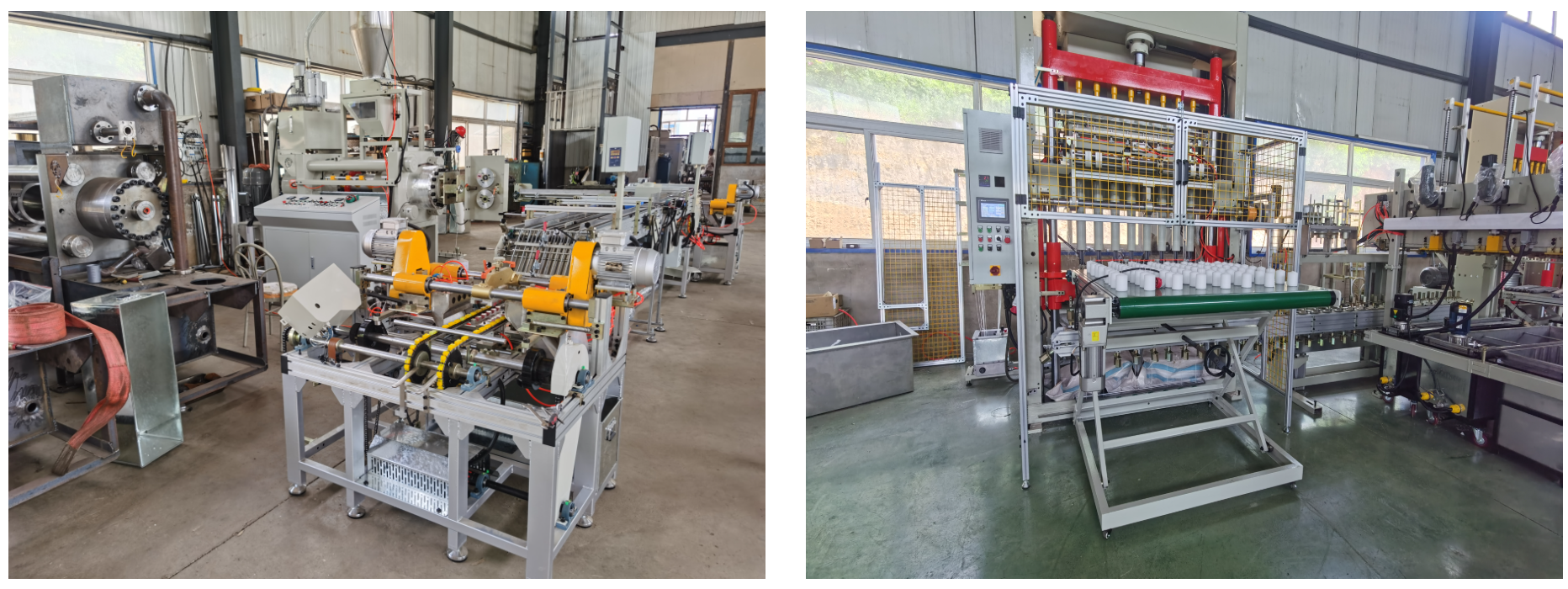
Cooling speed and environmental control are IMPORTANT.
If the cooling rate is too fast during the solidification process, the candle may crack due to excessive temperature differences between the inner and outer layers. Some candle manufacturers place the candles in a low-temperature environment to quickly cool them down in order to speed up the demolding time, but this actually makes the wax more prone to cracking. The commonly used cooling method on the market is to allow the candle to cool naturally at room temperature, or to maintain a stable environment of 20–25°C using a constant temperature chamber, which allows for a more uniform crystallization structure.
Ambient humidity is also a very important factor affecting the candle surface; it is recommended to control the relative humidity of the environment to around 50%.
When providing fully paraffin wax 58-60 products, Junda Wax also offers cooling and curing parameter recommendations based on the customer's production environment, helping them improve candle production yield and quality while reducing the risk of surface cracking.
How to choose the right paraffin wax and production equipment?
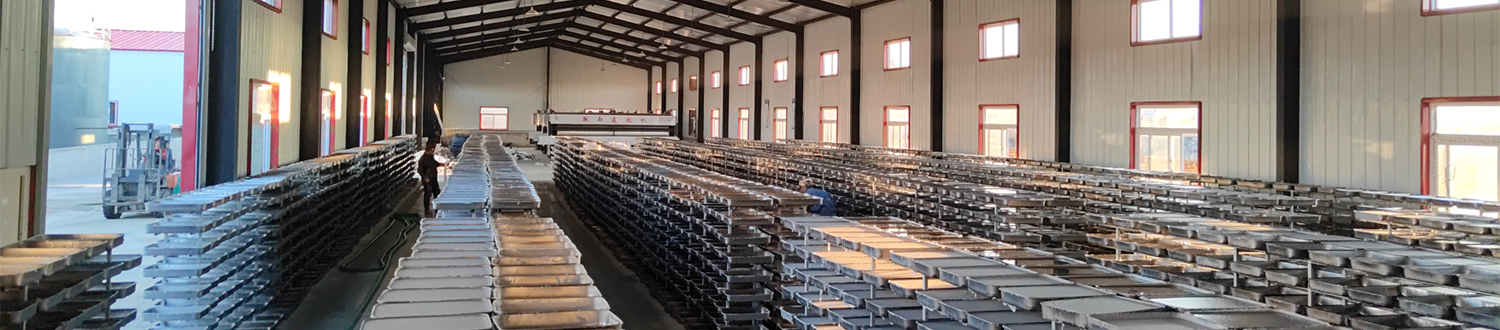
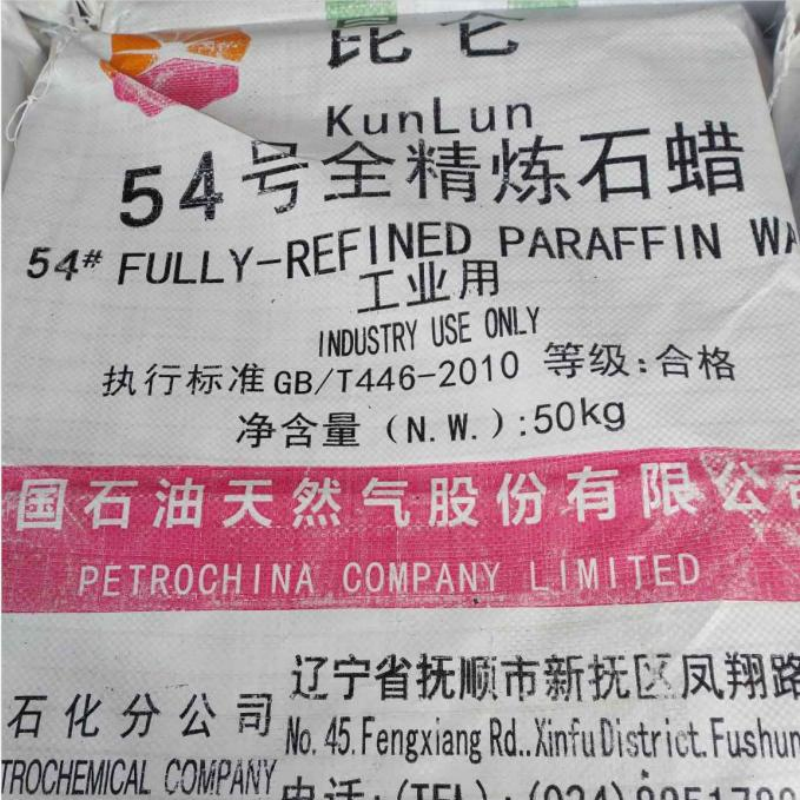
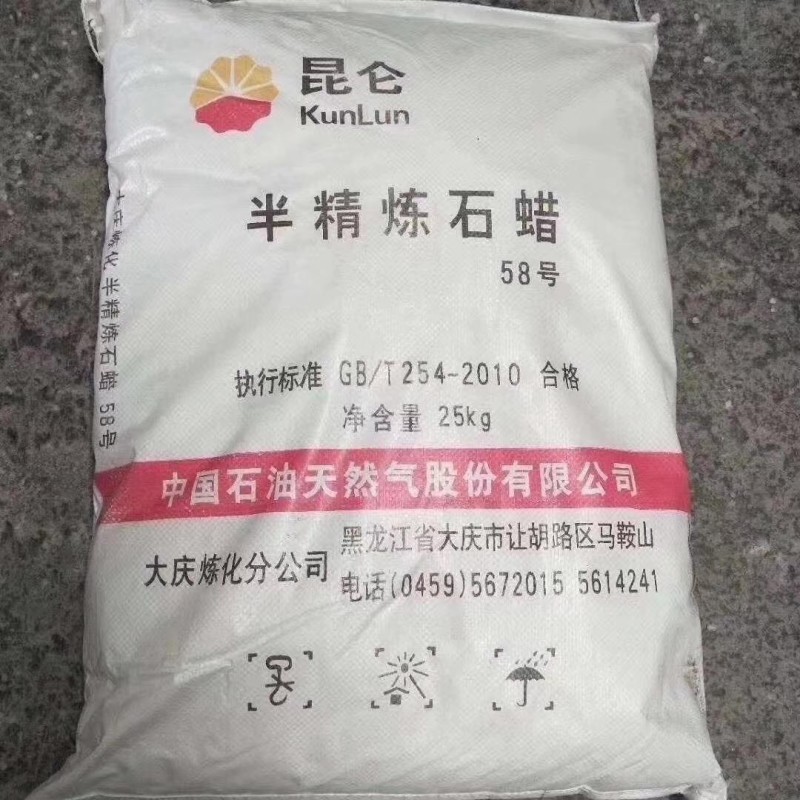
Junda Wax not only offers fully refined paraffin waxes with various melting point ranges (such as the Kunlun 58–60, 60–62, 64–66 series), but also provides customized formulas based on the customer's candle type.
Junda Wax provides a one-stop candle production solution:
Raw materials: Fully refined paraffin wax, semi-refined paraffin wax, microcrystalline wax, dyes, fragrances, wax thread;
Production equipment: Junda Wax can provide casting machines, demolding machines, heating tanks, stirring equipment, etc.;
Formulation guidance: Junda Wax can provide adjustment suggestions for different candle types (such as scented candles, colored candles, container candles).
Do environmental protection and certification standards have any impact?
Some candle manufacturers add numerous non-standard additives to improve crack resistance, but this can prevent their candles from passing international certifications.
Junda Wax's fully paraffin wax 58-60 has passed international testing such as SGS, REACH, and RoHS, ensuring that the materials are non-toxic, odorless, and low-carbon, meeting the environmental requirements of the European and American markets. Junda's fully paraffin wax 58-60 is frequently used in the production of household scented candles and holiday gift candles.
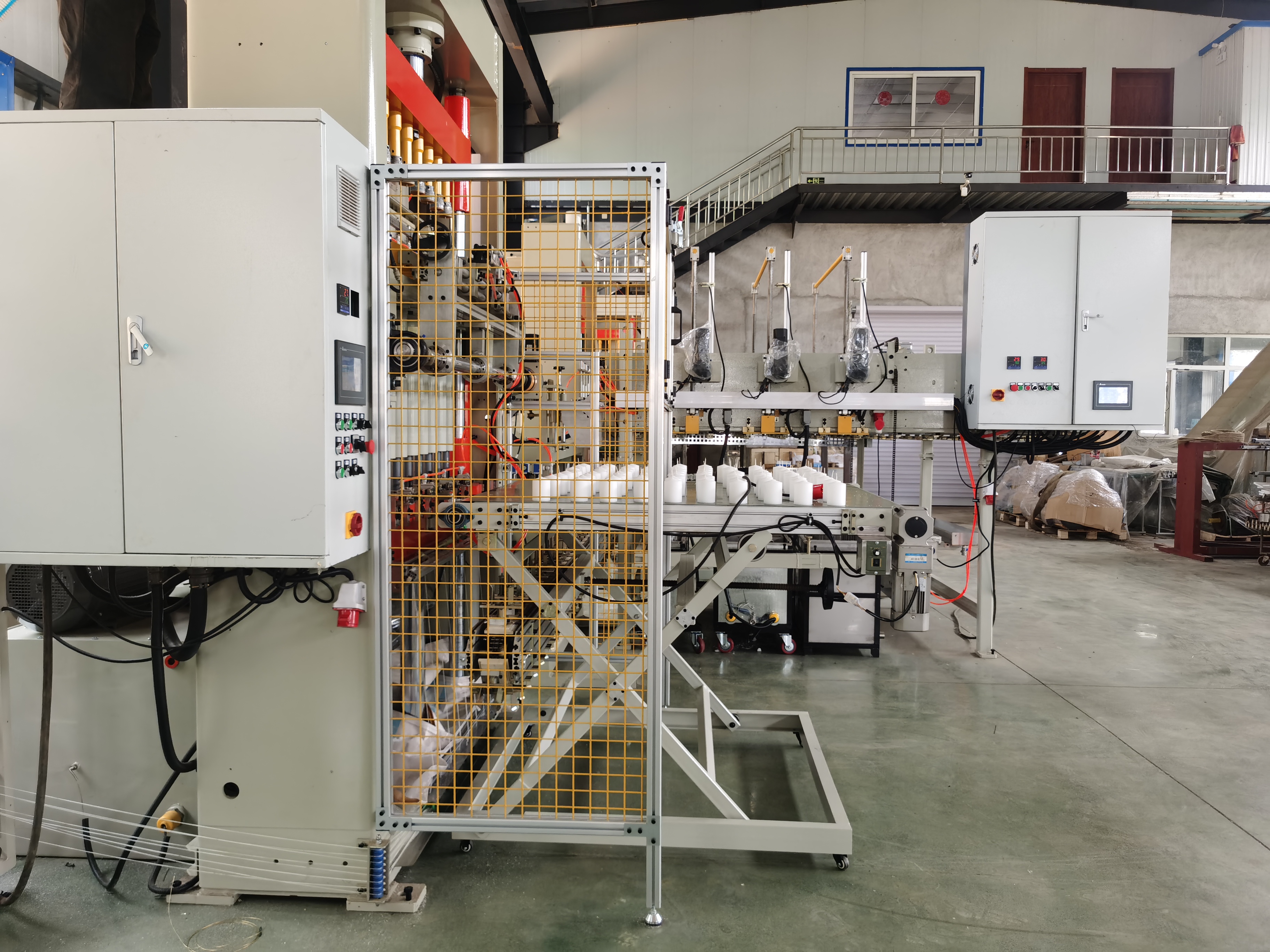
What can Junda offer candle manufacturers?
Besides supplying raw materials like fully paraffin wax 58-60, we focus on helping our clients "make the best candles."
Junda's technical team can provide remote guidance on production processes, offer formula adjustment suggestions, and help clients test candle release performance under different melting points and additive ratios. If needed, we can also arrange sample production and trial production, helping clients find the most suitable candle production formula for their factory and products from their perspective. This is why an increasing number of candle manufacturers from Germany, Poland, the United States, and Brazil are choosing to cooperate with Junda long-term.
Junda Wax will continue to provide high-quality paraffin wax products and one-stop production support to candle manufacturers worldwide. We welcome customers from around the world to visit our factory in Fushun, China, to learn more about our new candle manufacturing solutions. If you are interested in our fully paraffin wax 58-60 products or other candle products, please contact us at RobyHuo@jundawax.com.
References
1. ASTM International. Standard Specification for Fire Safety for Candles (ASTM F2417-17). 2017.
2. European Committee for Standardization (CEN). EN 15493: Candles – Specification for Fire Safety. 2019.
3. Zhang, L., & Chen, Y. (2022). Effect of Microcrystalline Wax on Paraffin-Based Candle Performance. Journal of Chemical Industry, 48(3), 215–221.
