
High Temperatures Are Changing Candle Raw Material Selection Standards
For candle manufacturers located in Southeast Asia, Africa, the Middle East, parts of South America, and other tropical climate countries, raw material selection is often more critical than in temperate regions. This is because tropical regions experience consistently high temperatures, with summer warehouse temperatures in some countries exceeding 40°C and container interiors potentially reaching over 50°C. In such environments, inappropriate raw material selection can easily lead to problems such as softening, deformation, sticking, damage during transport, and even decreased combustion performance in candles.
Many factories initially adopted formulas commonly used in the European and American markets, only to find various quality issues when selling their products locally. In reality, candle production in tropical regions requires a re-evaluation of paraffin wax and related raw materials based on local temperatures, transportation conditions, and consumer habits. Junda Wax, through its long-term export experience to Southeast Asia, Africa, and the Middle East, has accumulated extensive experience in high-temperature environments and can help clients select candle raw material solutions more suitable for the tropical market.
High-melting-point fully refined paraffin wax is more suitable for the tropical market
When producing candles in tropical regions, the melting point of paraffin wax is usually one of the primary considerations. While low-melting-point paraffin waxes have better fluidity, they are more prone to softening and deformation during high-temperature storage and transportation, especially for products without container support such as column candles, religious candles, and birthday candles, which require higher paraffin wax hardness.
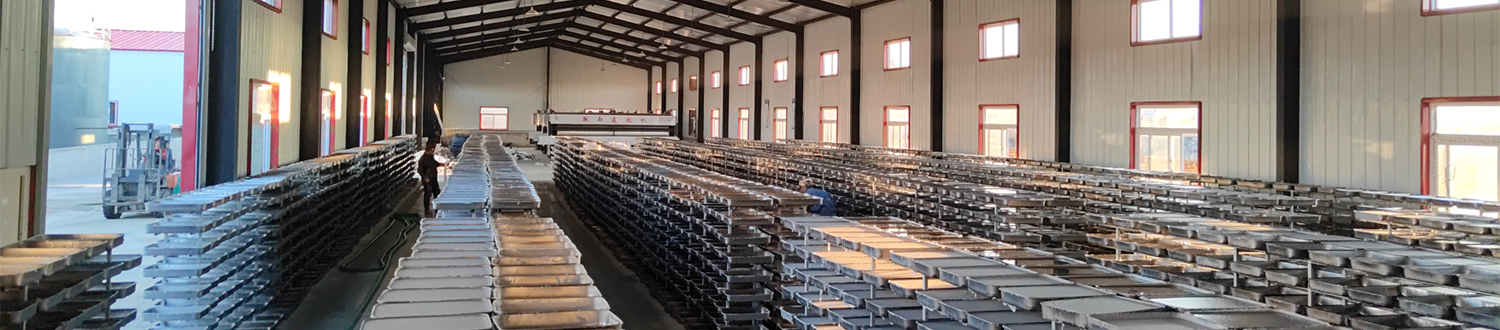
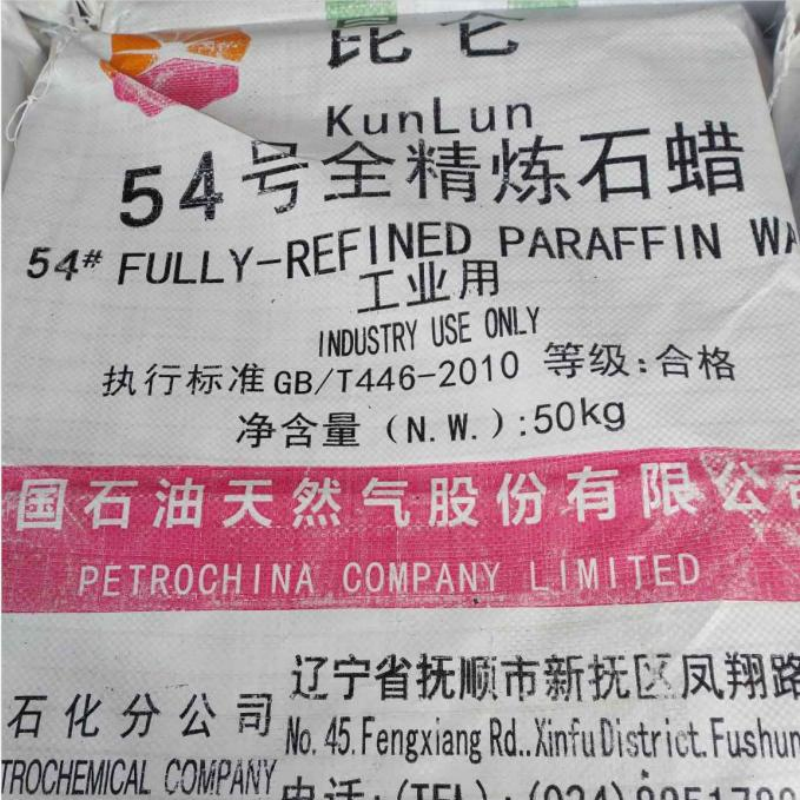
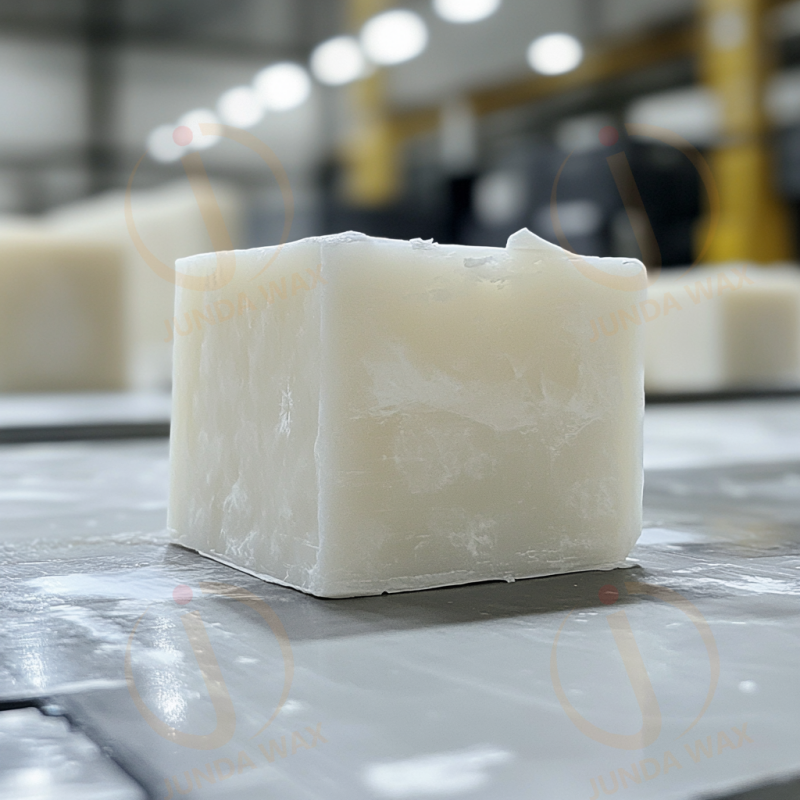
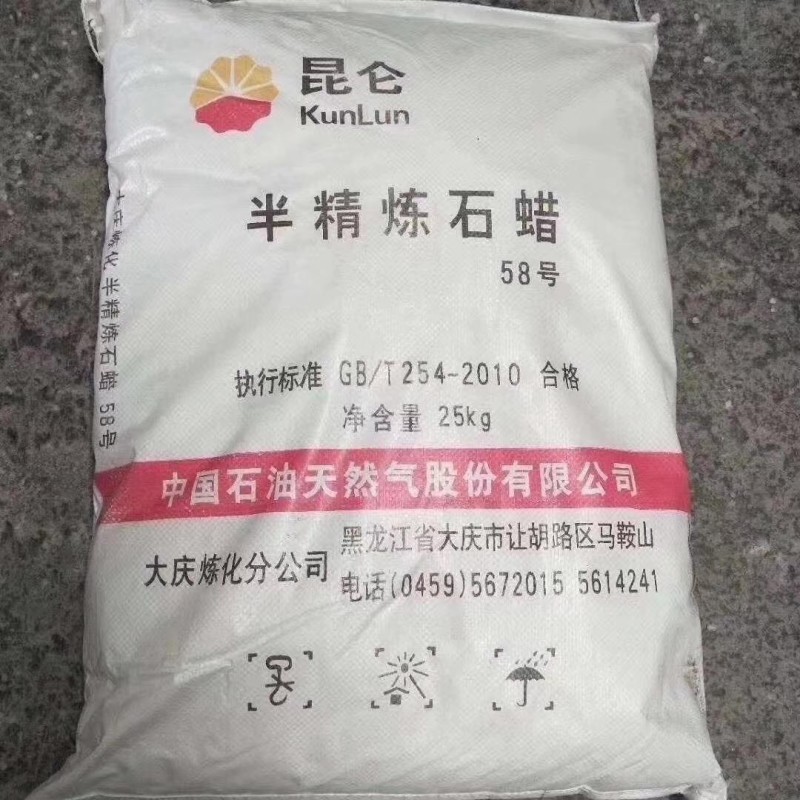
Therefore, many factories in tropical regions prefer fully refined paraffin waxes with melting points of 58℃, 60℃, 62℃, or even higher. Higher melting points not only improve the structural stability of the candles but also reduce the risk of deformation and sticking during high-temperature transportation. For customers who export to the African and Middle Eastern markets, high-melting-point candle-grade paraffin waxes have become the mainstream choice. Junda Wax offers fully refined paraffin waxes in various melting point specifications and recommends more suitable product models based on the climate characteristics of different countries.
Lower oil content in paraffin wax generally results in better stability.
Besides the melting point, oil content is also a key indicator for candle production in tropical regions. Paraffin waxes with higher oil content are usually softer and more prone to surface stickiness, deformation, and difficulty in demolding under high temperatures.
Fully refined paraffin wax, due to its more extensive refining process, typically has a lower oil content, resulting in better hardness and storage stability. For candle products requiring long-term warehousing or sea freight export, low-oil-content paraffin wax helps reduce quality risks during transportation.
Junda Wax has long served candle manufacturers in numerous tropical countries, taking into account the climate characteristics of their clients' regions during product selection, helping them balance cost, hardness, and combustion performance.
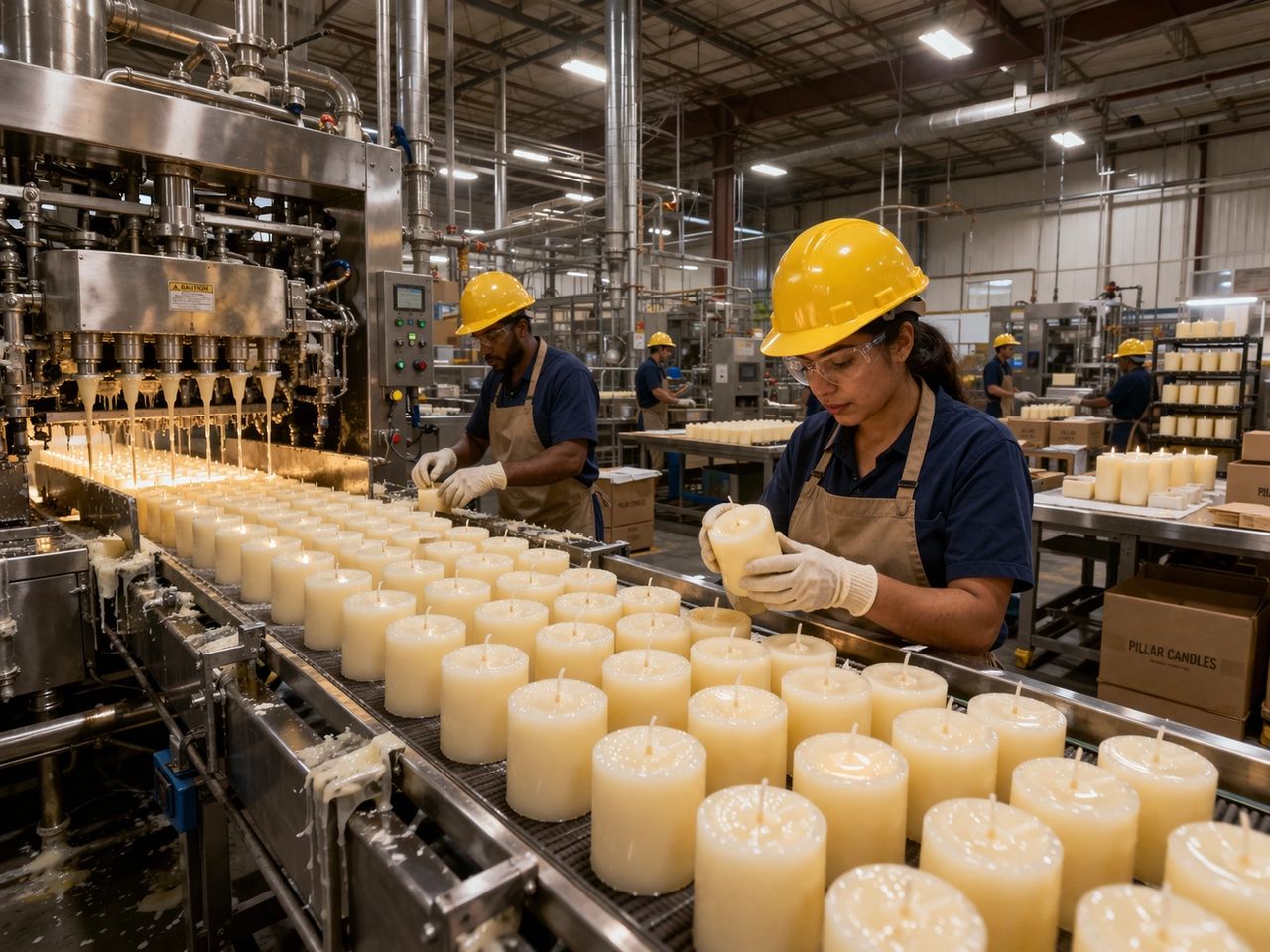
Wicks need to be rematched with high-melting-point paraffin wax.
Many factories find changes in combustion performance after switching to high-melting-point paraffin wax. The problem often lies not with the paraffin wax itself, but with the wick not being adjusted accordingly.
High-melting-point paraffin wax usually requires a more suitable wick size to form a stable wax pool. Continuing to use the original wick may result in a smaller flame, incomplete combustion, or tunneling.
Therefore, when developing new products in tropical regions, it is recommended to test the paraffin wax and wick combination simultaneously, rather than adjusting only one factor. As a one-stop supplier of candle materials, Junda Wax not only provides fully refined paraffin wax but also offers complete wax thread solutions to help clients shorten product development cycles.
Dyes and fragrances must also consider high-temperature adaptability.
Many clients in tropical regions find that the same scented candles perform well in the European market but are prone to problems such as rapid fragrance evaporation, color changes, or surface precipitation in the local market.
This is because high temperatures accelerate the evaporation of fragrances and some additives. Therefore, when producing scented candles in tropical regions, it is recommended to choose fragrance systems with better heat resistance and strictly control the addition ratio. At the same time, some darker dyes have better stability at high temperatures and are more suitable for long-term storage and transportation.
In addition to supplying paraffin wax, Junda Wax also provides color powders and related auxiliary materials needed for candle production, helping clients improve the overall stability of their products.
Packaging is also part of raw material selection.
For the tropical market, simply choosing the right paraffin wax is not enough; packaging solutions are equally important. Many candle quality problems are not actually caused in the production process but occur during transportation and storage.
For example, The compression between cylindrical candles causes deformation; tea-colored candles stick together under high temperatures; excessively high internal temperatures in scented candle packaging affect fragrance release.
Therefore, more and more export-oriented factories are beginning to emphasize high-temperature transportation simulation testing and packaging optimization design.
In its long-term export experience, Junda Wax also provides packaging optimization suggestions to clients based on different country transportation routes and climate characteristics, helping to reduce transportation losses.
One-stop sourcing is becoming a trend. With the continuous development of the candle market in tropical regions, more and more newly established factories are beginning to look for suppliers that can provide complete solutions. Because paraffin wax, wax threads, color powder, fragrances, and equipment are interconnected, sourcing from different suppliers makes subsequent product development and troubleshooting more complex.
Junda Wax currently offers not only multi-specification fully refined paraffin wax and Candle Grade Paraffin Wax, but also wax threads, color powder, and automated candle production machinery. This one-stop supply model, from raw materials to equipment, helps clients reduce procurement costs, improve project start-up efficiency, and shorten product development cycles.
With the continued growth of the candle markets in Southeast Asia, Africa, and the Middle East, more and more factories are paying attention to product performance under high-temperature conditions. If you are looking for candle grade paraffin wax suitable for the tropical market, or wish to obtain one-stop sourcing support from paraffin wax and wax wicks to candle production equipment, please contact Junda Wax. With extensive export experience and stable supply capabilities, we can help you create candle product solutions better suited to the tropical market.
