
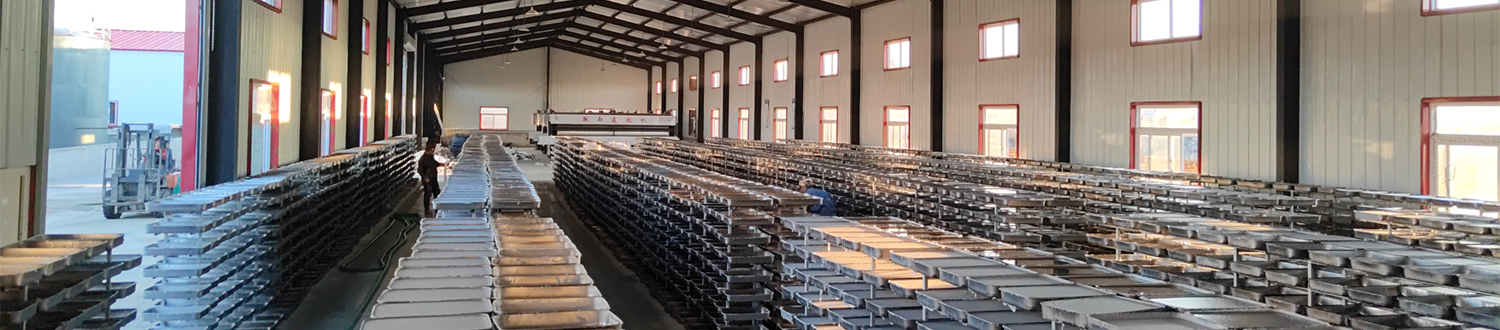
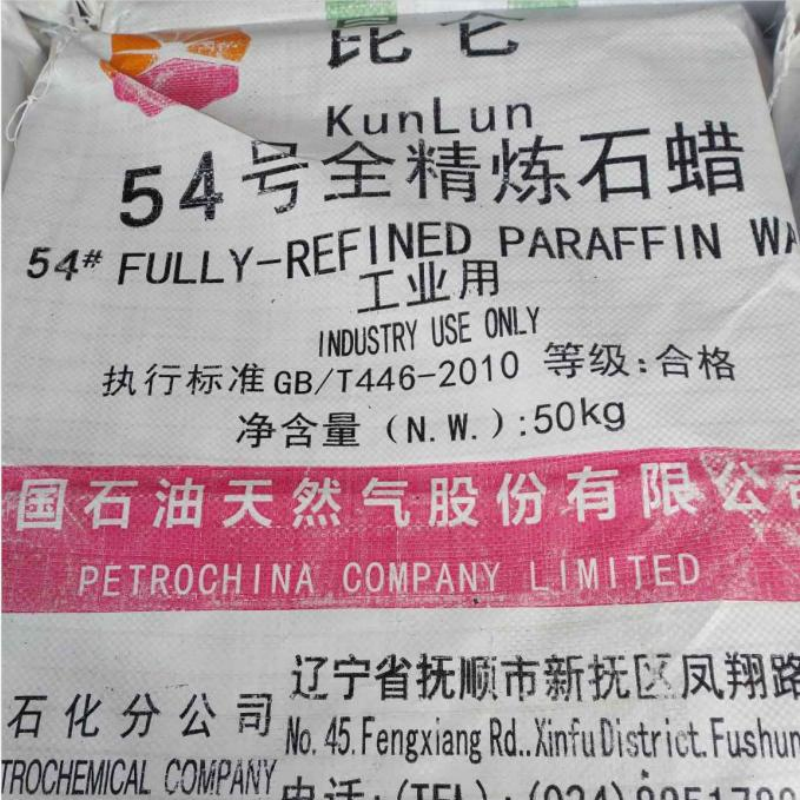
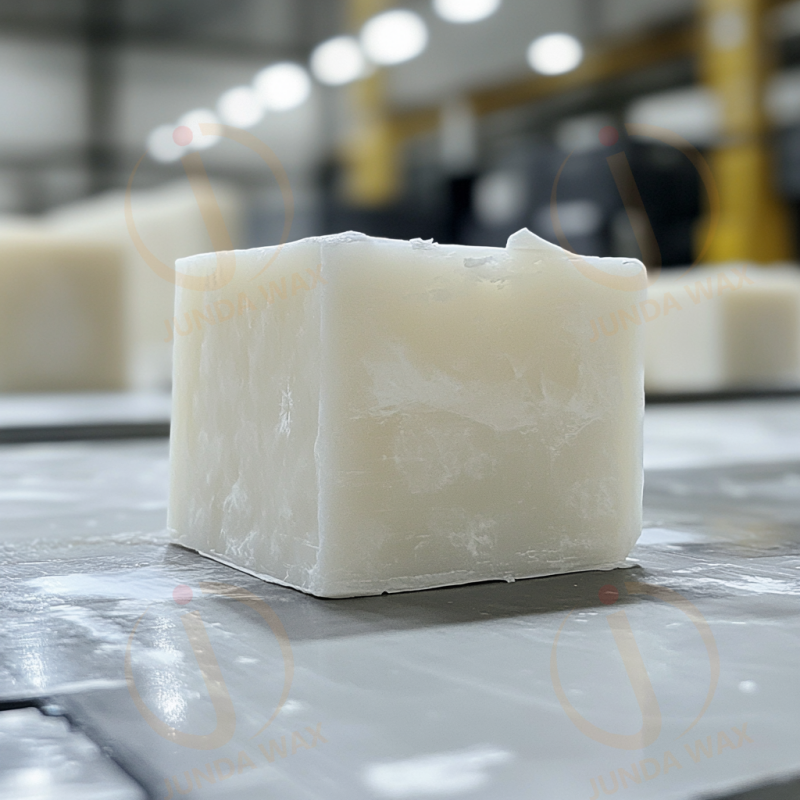
In candle production, many people initially focus on molds, wicks, or equipment, but what truly affects the finished product's appearance, scent, and burning quality is often the most fundamental step—the ratio of fully refined paraffin wax to colorants and fragrances. If this step isn't handled properly, subsequent attempts to correct it will have limited effect. Through our long-term experience supplying customers in different countries, we've found that a stable ratio approach is more important than specific numerical values.
Why is fully refined paraffin wax more suitable as a base for formulations?
The advantage of fully refined paraffin wax lies in its high purity, low impurities, and clean scent. This is especially noticeable when adding colorants and fragrances. If the paraffin wax itself has an oily smell or unstable components, it will directly interfere with the fragrance performance, and the color will easily appear dull and opaque. High-purity fully refined paraffin wax allows the fragrance to be released in its original form and allows the colorants to present a cleaner hue, which is why many export-oriented candle factories prefer it. Suppliers like Junda Wax, who have long-term export experience, usually control the stability from the source of the paraffin wax, leaving ample room for subsequent formulations.
More colorant isn't always better
One of the most common mistakes new factories make when coloring is adding more colorant if the color isn't deep enough. In reality, in a fully refined paraffin wax system, the dispersibility of the colorant is more critical than the quantity. Paraffin wax itself has high transparency, and only a small proportion of colorant is needed to achieve the desired effect. Adding too much will affect the wax structure, leading to uneven burning or a dull surface. A more mature approach is to first test with a small amount of colorant in a sample, and then fine-tune according to the candle size and purpose, rather than aiming for a strong color impact from the start. Many stable export tea lights and pillar candles actually have very subtle colors, but the texture is very clean.

The fragrance ratio should consider the release method
Fragrance ratio isn't simply about how fragrant it smells, but rather about considering the candle's usage scenario. Fully refined paraffin wax has excellent fragrance retention, so generally, you don't need to add too much. Otherwise, after lighting, the fragrance may be too strong at the beginning and fade quickly later. A reasonable ratio will allow the fragrance to be released gradually as it burns, rather than exploding with fragrance at the beginning. This is why the same fragrance can produce such different results when used in different paraffin wax systems. For example, when Junda Wax provides formulation recommendations to clients, they typically consider the wax type, wick, and burning time together, rather than discussing the fragrance ratio in isolation.
Temperature is often overlooked.
Even the best formulation will be compromised if the temperature is not controlled properly. When adding colorants and fragrances to fully refined paraffin wax, excessively high temperatures can lead to fragrance evaporation, while excessively low temperatures can affect dispersion uniformity. From experience, the stable temperature range is more important than a single fixed value. Mature factories often find the optimal operating window for their equipment and paraffin wax type through multiple trial productions. This is why one-stop suppliers have an advantage in actual production, as they can match everything from raw materials to equipment.
What does one-stop supply mean for formula stability?
When paraffin wax, colorants, fragrances, wicks, and even candle-making equipment come from different sources, formula instability is almost inevitable. The compatibility between raw materials requires repeated verification. Suppliers who can provide all candle production materials from a single source are often more familiar with the characteristics of different materials and can help customers avoid unnecessary detours. This is why more and more overseas customers prefer to choose a cooperation model like Junda Wax, which provides both fully refined paraffin wax and matching wicks, dyes, and production equipment.
For candle factories that want to engage in long-term export and stable mass production, it's better to choose the right paraffin wax system and a reliable overall supply solution from the start, rather than repeatedly experimenting. If you are interested in paraffin wax products, please feel free to contact us, visit our factory, and learn about our latest product information.
