
In the candle industry, Fully Refined Paraffin Wax has always been one of the most widely used and applied raw materials. However, many newcomers to the industry often don't know the difference between "container candles" and "pillar candles," let alone the differences in the formulation, application methods, and technical aspects of Fully Refined Paraffin Wax in these two types of candles. In fact, even though both are Fully Refined Paraffin Wax, the raw material requirements for candles used in glass containers and pillar candles used in molds are completely different. Even indicators such as melting point, viscosity, cooling method, and shrinkage rate need to be adjusted separately. Using the wrong material can lead to a series of problems, including the candle falling out of the container, collapsing, cracking, weak fragrance, and uneven burning.
A significant portion of the paraffin wax products exported annually to Europe, America, the Middle East, Southeast Asia, and other countries and regions are supplied to factories making cup candles, aromatherapy candles, religious pillar candles, and craft pillar candles, each with different requirements. Junda Wax helps you understand the different applications of Fully Refined Paraffin Wax in container candles and pillar candles, helping manufacturers and buyers quickly understand the raw material logic of these two types of candles, and giving you more direction when selecting wax, formulating, and producing.
I. What is the core difference between container candles and column candles?
Container candles rely on the support of their container, while column candles rely on their own structure.
Container candles are generally contained in glass cups, ceramic cups, metal cans, etc. Their wax doesn't require high structural strength because the outer layer is fixed by the container. Their main function is to ensure a beautiful melting pool, good adhesion to the cup, no collapse, no concavity, and stable fragrance diffusion.
Column candles, on the other hand, have no outer packaging support and stand upright on their own. Whether you make a prayer candle, artistic candle, cylindrical candle, or square candle, it must possess sufficient hardness, strength, and heat resistance. Otherwise, it will soften and bend during transportation or under high temperatures, or shrink unevenly leading to cracking, and even affecting burning stability.
It is precisely because of this fundamental difference that Fully Refined Paraffin Wax candles have completely different uses, formulas, and technical requirements for the two types.
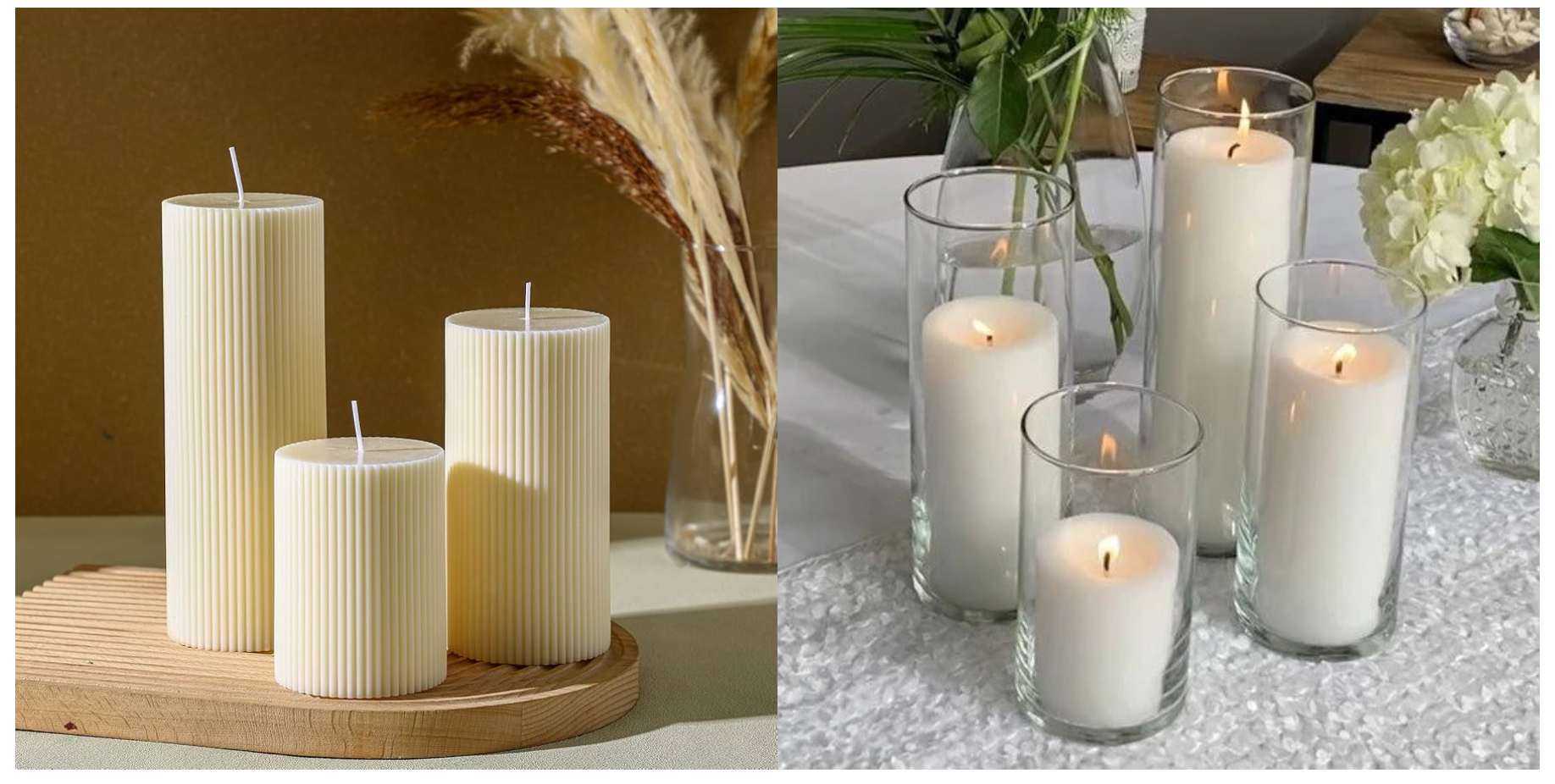
II. Fully Refined Paraffin Wax in Container Candles:
The four most crucial aspects of container candles are: adhesion to the cup, fragrance diffusion, melting pool, and surface smoothness.
Fully Refined Paraffin Wax is ideal for container waxes due to its low oil content (generally ≤0.5%), good color, and few impurities. However, its effectiveness is truly determined by its melting point and fluidity. Container waxes typically use Fully Refined Paraffin Wax with a melting point between 56-60℃, which is softer and smoother, adheres well to the glass walls after being poured, and is less prone to air bubbles or unsightly dents after cooling.
For example, the 58-60℃ Fully Refined Paraffin Wax we provide to aromatherapy wax factories exporting to Europe and America is a core material used by many brands for aromatherapy cup waxes. This is because its fragrance performance is stable both hot and cold, it doesn't easily cloud the fragrance when mixed with perfume, and the scent release is balanced, without fluctuating intensity. Especially when making three-wick cup waxes, the melted wax spreads quickly, giving it a high-end look and making it more suitable for indoor diffusion.
III. Fully Refined Paraffin Wax in Column Candles
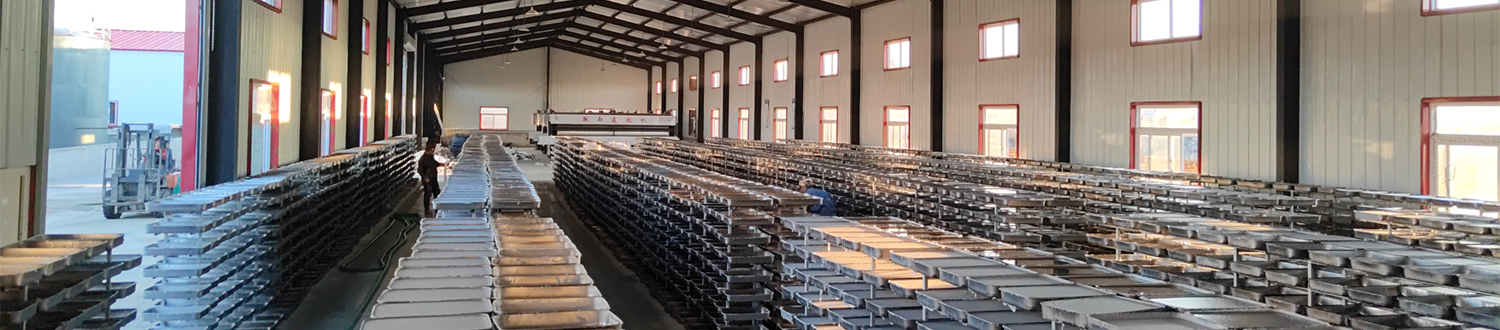
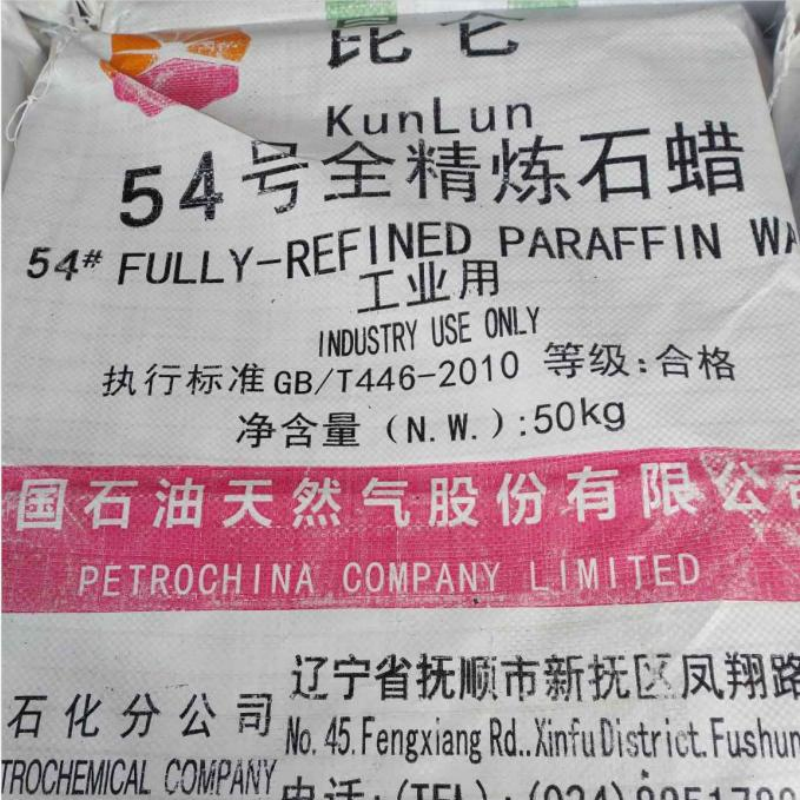
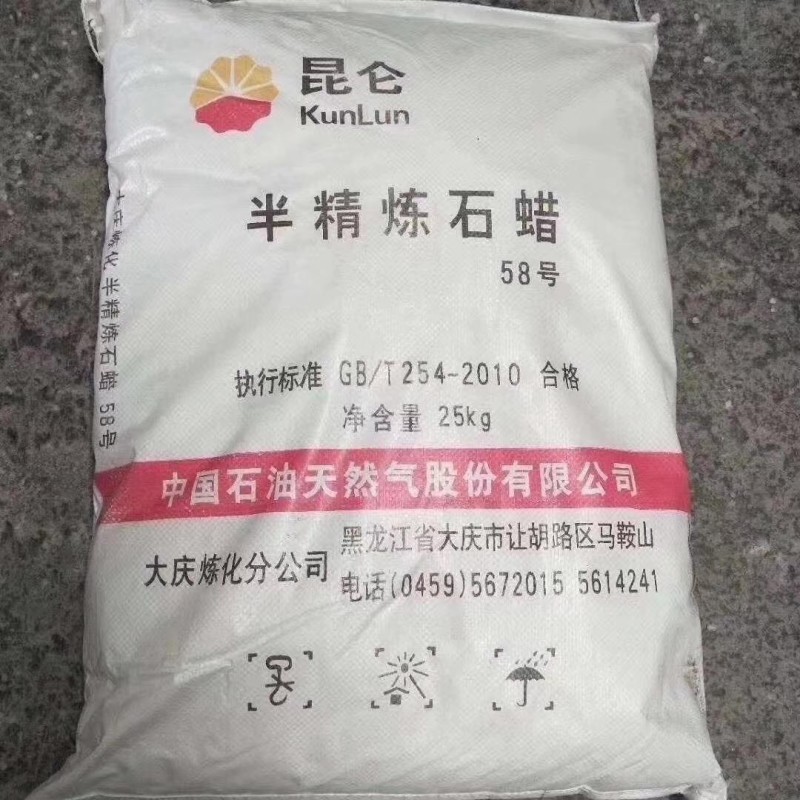
Column candles are most susceptible to deformation. Without the protection of a container, their appearance is solely supported by the hardness of the wax itself. Therefore, column candles generally use kunlun paraffin wax with a high melting point, such as 60–62℃, 62–64℃, and even 64–66℃ for export to the Middle East. This high-melting-point kunlun paraffin wax is harder, more heat-resistant, and won't collapse after molding, nor will it be affected by heat during transportation. Clients making prayer candles, cathedral candles, artistic candles, and large column candles almost always use high-melting-point kunlun paraffin wax.
Column candles also have particularly high requirements for cooling methods. Many clients encounter shrinkage and cracking problems when making column candles for the first time. This is because the column candle cools unevenly. High-melting-point kunlun paraffin wax has a more stable shrinkage rate, resulting in a clean and crisp surface after cooling, suitable for crafting intricate surface textures, carved patterns, and religious candle techniques.
IV. Technical Differences in Production Between Container Wax and Column Wax:
The production steps for container wax and column wax are completely different. For example, container candles require attention to the wick's wax absorption speed, fragrance compatibility, pouring temperature, degassing, and adhesion to the cup; while columnar waxes require more attention to mold temperature, demolding method, cooling rate, column shrinkage, and wax hardness.
Container candles are generally poured at a lower temperature, allowing them to cool slowly along the cup wall to form a full and smooth surface; columnar waxes, however, require controlled cooling speed, otherwise, they are prone to developing holes or cracks.
Junda wax export not only kunlun paraffin wax waxes with various melting points to our clients, but also a complete set of wick types, fragrance systems, mold equipment, etc. We can directly recommend pouring temperatures, wick types, and paraffin wax grades based on the client's product type and the country's climate. Some clients who previously produced cup candles and now want to expand into columnar wax production also purchase complete columnar wax formulas and equipment from us, which is more labor-saving and stable.
V. The Fragrance and Dye Systems are Completely Different
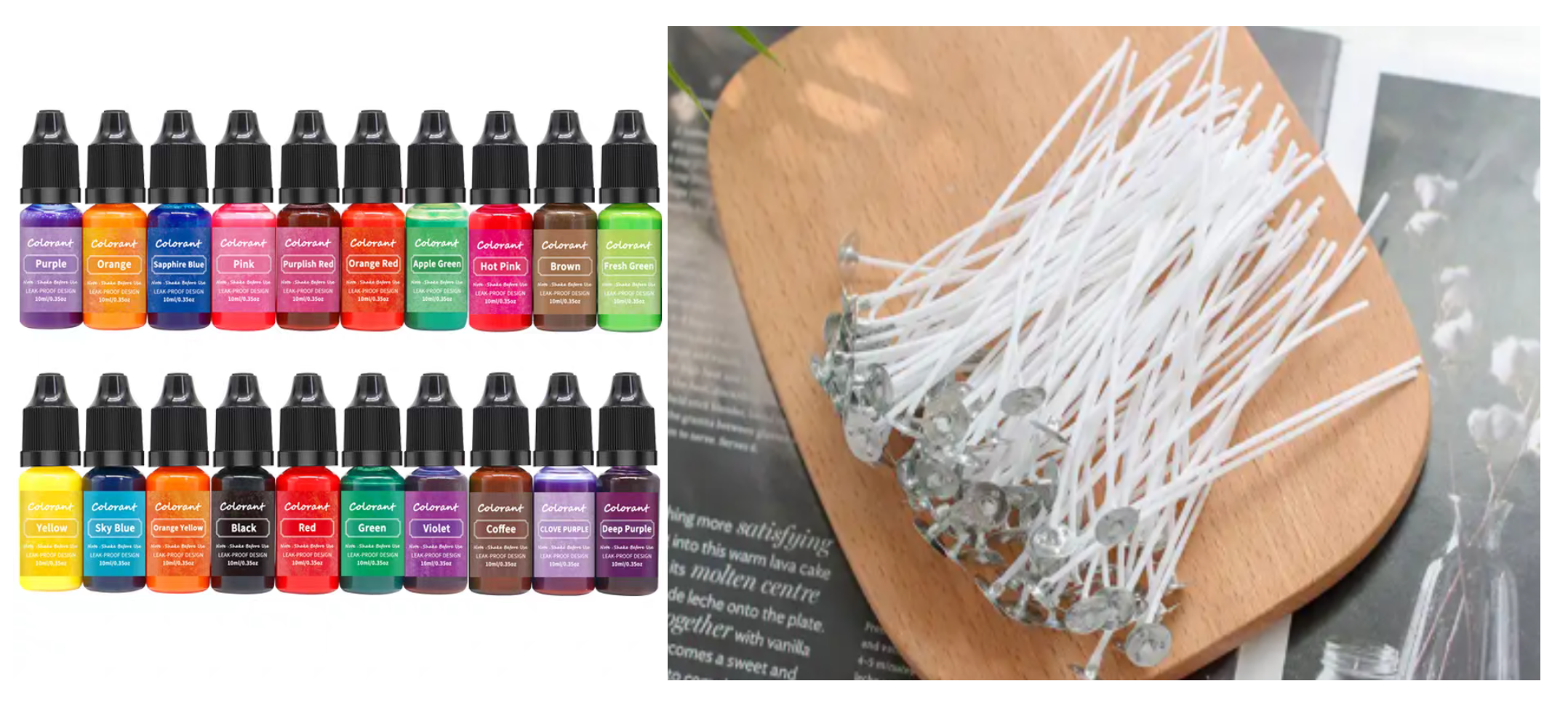
Besides the melting point of kunlun paraffin wax grade candles, container waxes and column waxes also differ in their use of fragrances, dyes, and additives. Container waxes require diffusion capabilities, so they often have a higher fragrance concentration. Column waxes, on the other hand, prioritize appearance stability and burning time, so the fragrance concentration is generally kept lower; otherwise, issues like oil seepage or cracking can occur, affecting the candle's performance. Regarding dyes, container waxes mostly use liquid dyes, while column waxes prefer color powders or flakes because they produce a more solid and uniform color.
Junda wax's customers exporting to the US, France, and the Middle East often package paraffin wax, dyes, wicks, and fragrances together. This ensures a more complete match in the production process, avoiding common problems like "floating color," "fragrance separation," and "unstable burning."
VI. Junda wax provides a complete one-stop candle supply chain.
This is what many of our customers appreciate most—we don't just sell kunlun paraffin wax grade candles; we provide the entire candle production chain package directly to our customers, saving them the hassle of multiple sourcing steps.
Junda Wax offers the following candle-related products:
Fully Refined Paraffin Wax (multiple melting points)
Semi-refined wax, microcrystalline wax, plant-based wax
Various wicks (cotton wicks, wood wicks, paper wicks)
Dyes, fragrances, additives
Candle glasses, aluminum cups, tin cans, molds
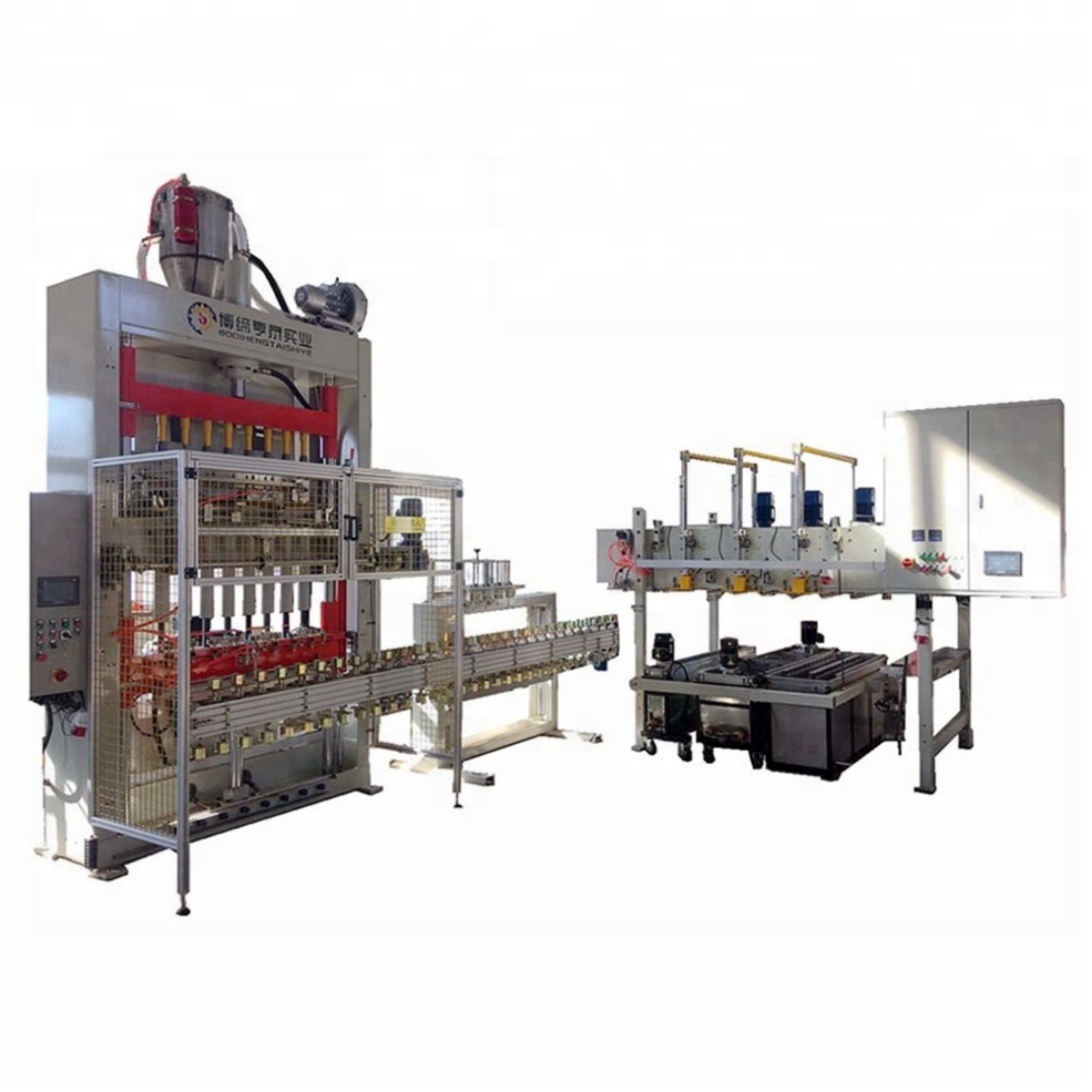
Candle pouring machines, wax mixing pans, wax pressing machines, fully automatic candle column equipment
Many customers in Southeast Asia, the Middle East, and South America initially only wanted to buy kunlun paraffin wax from us, but after seeing that we could also provide them with equipment, wicks, dyes, and technical processes, they started building their entire candle production line directly with us. The Junda team can also provide guidance on formula adjustments, such as which melting point to use for cup wax or column wax, what type of wick to use, the appropriate fragrance ratio, and how to adjust the wax pouring temperature, etc.
In short, container candles need to be soft, fluid, adhere well to the cup, and have strong fragrance diffusion; column candles need to be rigid, hold their shape well, not deform, and withstand high temperatures. Fully Refined Paraffin Wax plays a different role in these two types of candles, with significant differences in melting point, cooling method, wick matching, fragrance dosage, and dye system. Understanding these differences is equivalent to mastering the "core language" of candle production, enabling more consistent products and better adaptability to the target market.
If you are looking for suitable kunlun paraffin wax raw materials for your container or column candle production, or if you want your factory to have complete candle production capabilities, we warmly welcome you to communicate with Junda Wax and visit our factory. We can provide full-process support from kunlun paraffin wax to wicks, from dyes to fragrances, from glassware to molds, from equipment to technical formulations, ensuring your candle products are not only stable and aesthetically pleasing but also more competitive. Feel free to contact us at RobyHuo@jundawax.com for a full range of candle product experiences.
