
In the candle industry, "melting point" sounds technical, but it actually determines the candle's character—whether it deforms, stands upright, diffuses its fragrance, burns quickly, and even collapses during transport. We've worked with clients worldwide, including in the Philippines, Malaysia, the Middle East, Europe, and the Americas, and they all like to ask the same question: "What's the difference between candles with different melting points? Which one should I use for my candles?" Junda Wax, from a professional candle manufacturer's perspective, will explain the impact of different melting points on candles.
I. Why does melting point have such a significant impact on candles?
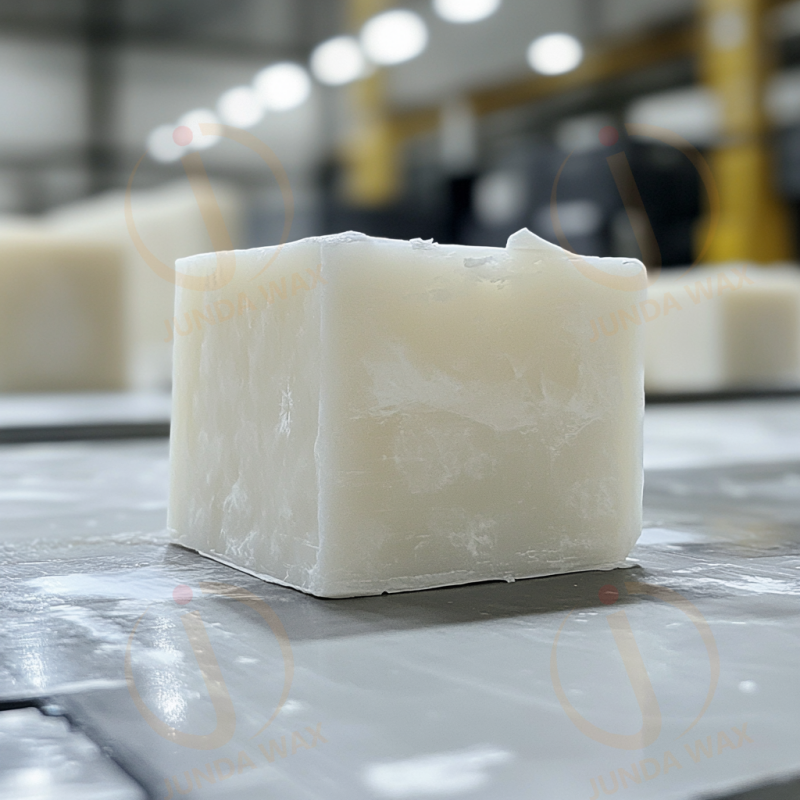
The fundamental logic behind Fully Refined Paraffin Wax's melting point is quite simple: the lower the temperature, the softer the wax; the higher the temperature, the harder the wax. It sounds ordinary, but in the candle manufacturing process, this is a decisive factor. For example, low-melting-point waxes melt quickly, making them ideal for cup candles and scented candles—products that rely on the melting pool for fragrance. Medium-melting-point waxes have a more stable structure, making them better suited for tea candles and small mold candles. High-melting-point waxes, on the other hand, are hard and perfect for large pillar candles—they stand upright, can be transported long distances, and won't deform. In other words, choosing the right melting point immediately guarantees half the quality of your candle; choosing the wrong melting point may result in candles that deform, crack, collapse, or burn unevenly.
II. The Three Most Common Melting Point Ranges in the Candle Industry
The Fully Refined Paraffin Wax candles we routinely produce for overseas clients primarily have three very standard and widely used melting points: 58–60℃, 60–62℃, and 62–64℃. These three categories cover almost 90% of candle types on the market. Of course, if you're making special artistic candles or large pillar candles for high-temperature regions, we can achieve higher melting points of 64–66℃ and 66–68℃. However, most candle factories' needs fall within these three ranges for 90% of their production.
III. 58–60℃: The Most Approachable Melting Point for Scented Candle Candles
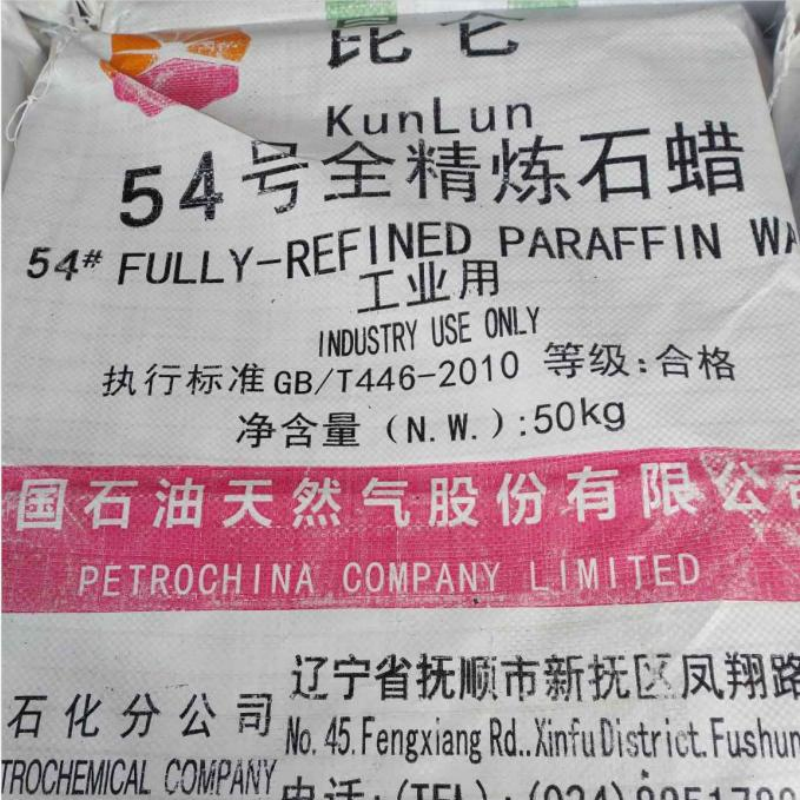
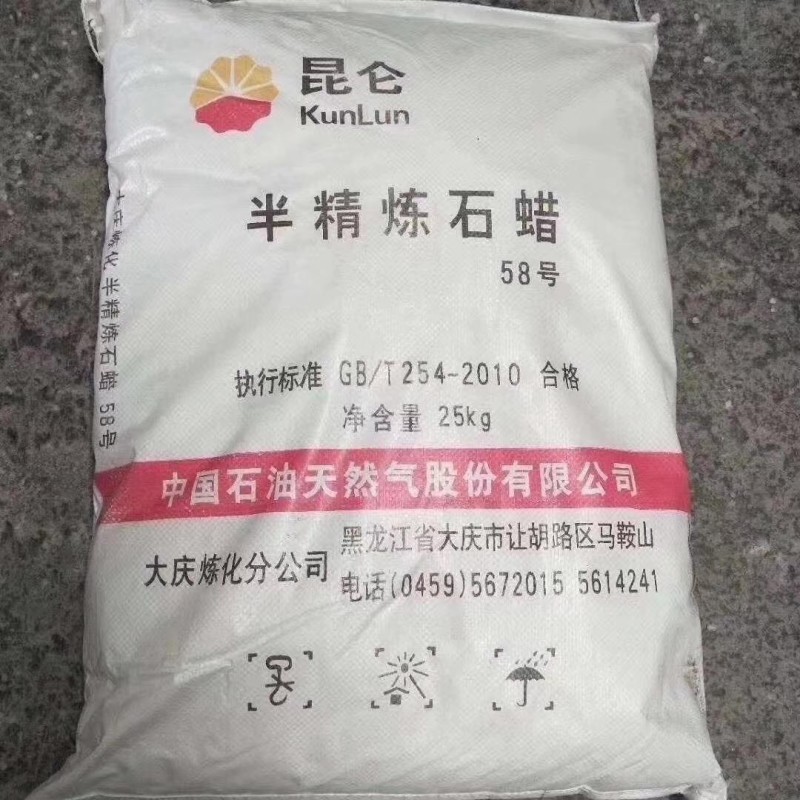
Fully Refined Paraffin Wax candles with a melting point of 58–60℃ are essentially the "golden melting point" for scented candles. Fully Refined Kunlun paraffin wax i slightly softer and more fluid, adhering well to the sides of a glass when poured, and it's less prone to cracking after cooling, without developing white spots or uneven shrinkage. Many coffee shop fragrances, home scents, and gift candles use Fully Refined Paraffin Wax with this melting point. More importantly, this type of low-melting-point wax produces a beautiful molten pool during combustion, allowing the fragrance to diffuse better. Therefore, customers in Southeast Asia, Europe, and Australia particularly favor Fully Refined Paraffin Wax with this melting point.
We have many customers from France, Australia, and Vietnam who specifically request Fully Refined Paraffin Wax with a melting point of 58–60℃. They require high purity of scent in their scented candles, and our Kunlun paraffin wax burns cleanly, without overpowering the fragrance or producing much black smoke.
:max_bytes(150000):strip_icc()/HeroOption-LitCandleandEmptyJars-ebc85d6c55734e7494834610aaba7621.jpg "Fully Refined Paraffin Wax")
IV. 60–62℃: The "Universal Melting Point" for Tea Candles and Small Mold Candles
If your candles are neither pure container candles nor particularly large pillar candles, then Kunlun paraffin wax (60–62℃) is most likely the best choice. Its hardness is slightly higher than Kunlun paraffin wax (58–60℃), making it less prone to softening after molding and exhibiting gentler shrinkage upon cooling. This makes it ideal for various small-sized products such as tea candles, small mold candles, everyday household candles, and gift candles. Many factories with large export volumes, such as those serving customers in Eastern Europe, Africa, and the Middle East, routinely use this melting point because Kunlun paraffin wax is resistant to transportation and won't soften or deform at high temperatures.
Some of our customers in Africa, who produce tens of millions of tea candles annually, consistently use only Kunlun paraffin wax (60–62℃) because tea candles require extremely high stability during transportation, and Kunlun paraffin wax's melting point is just right.
V. 62–64℃: The "Tough Nut" Melting Point for Pillar Candles, Prayer Candles, and Large Craft Candles
If you specialize in large candles, artistic candles, and pillar candles, then you should have no hesitation; 62–64℃ Fully Refined Paraffin Wax is your best choice. This melting point (Fully Refined Paraffin Wax) indicates high hardness and excellent heat resistance, resulting in very firm candles that are not easily deformed even at temperatures above 35℃. Many factories exporting to the Middle East, Indonesia, India, and Saudi Arabia require this or even higher melting point (Fully Refined Paraffin Wax) to maintain the candle's shape.
Customers making religious candles, prayer candles, and hotel decorative pillar candles have particularly strict requirements for melting point because these pillar candles are often large and heavy. If the wax is too soft, it is prone to collapsing, cracking, or deformation during transportation. Junda wax starts almost all its Middle Eastern orders with 62–64℃ Fully Refined Paraffin Wax; high-temperature countries truly need high-melting-point Fully Refined Paraffin Wax.
VI. Melting Point of Kunlun paraffin wax
Many people are unaware that melting point affects more than just hardness and uses; it also influences crucial factors such as surface gloss, fragrance diffusion, burning speed, cooling shrinkage, and transportation stability. For example, low-melting-point waxes have a softer surface gloss and better aromatherapy; high-melting-point waxes have a cleaner, crisper surface, and the "upright and stable" texture of candle pillars comes from their melting point. Furthermore, for export, if candles are intended for high-temperature countries like the Middle East, Maldives, and Malaysia, the Kunlun paraffin wax grade wax used should ideally have a melting point above 60℃; otherwise, the shape will change before the goods even reach the warehouse.
VII. We Not Only Provide Paraffin Waxes with Different Melting Points, But Also a Complete One-Stop Supply Chain for the Candle Industry
Many clients prefer long-term partnerships with us, not only because we can provide various waxes such as fully refined, semi-refined, microcrystalline, and plant-based waxes, but more importantly, because we can supply everything needed for candle production in one go.
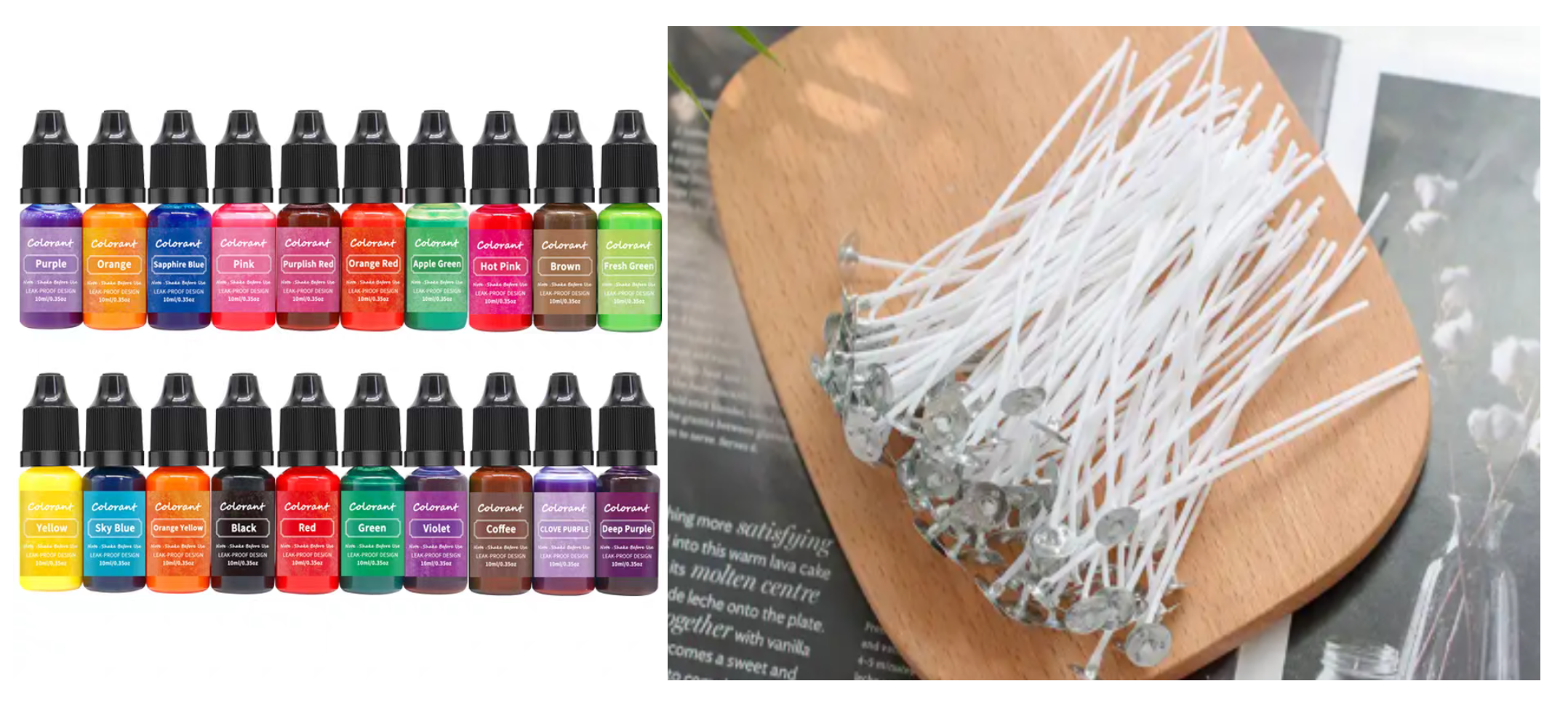
Wax wicks suitable for different candle sizes
High-colorfastness fat-soluble dyes
Various fragrances
Aluminum cups, glass cups, molds, packaging materials
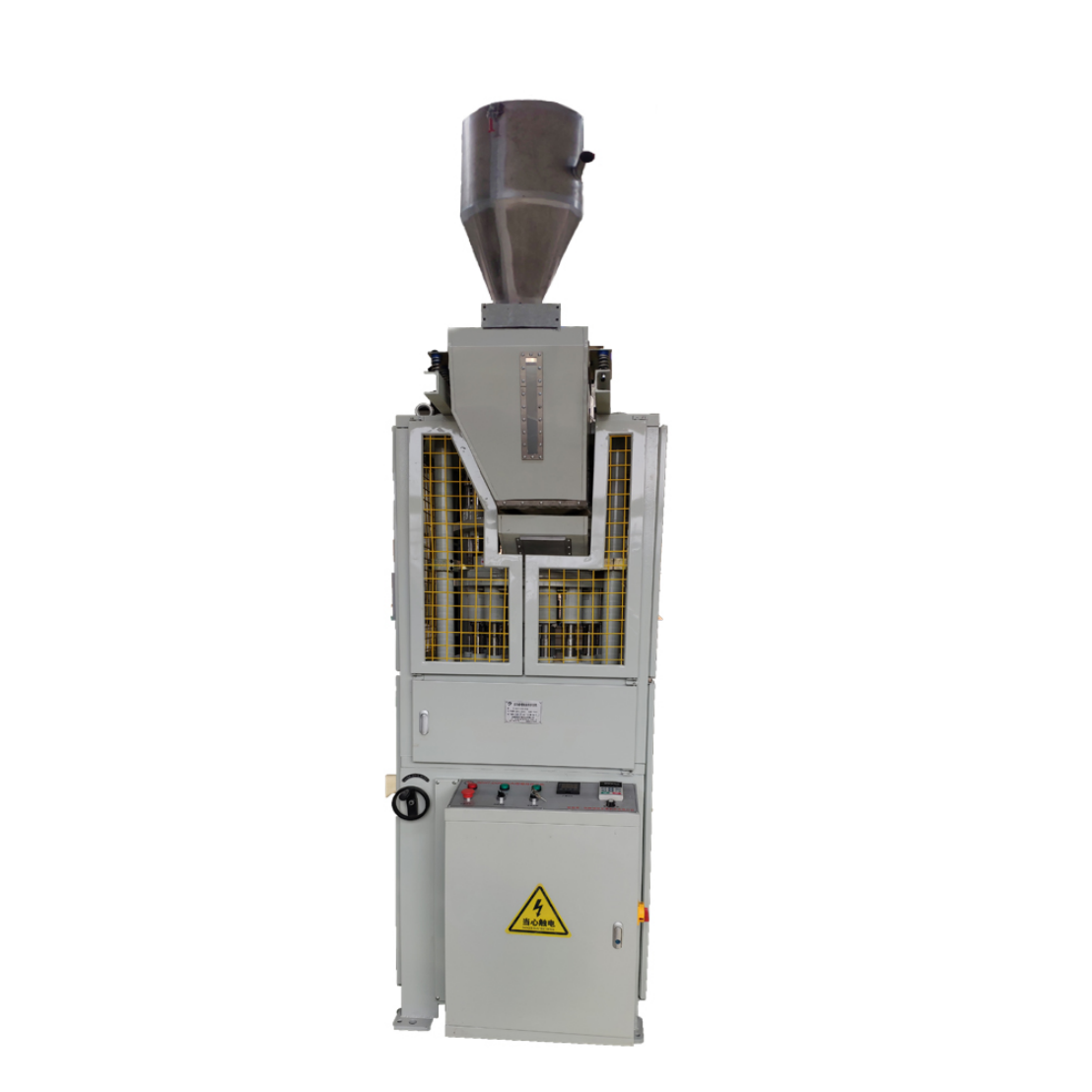
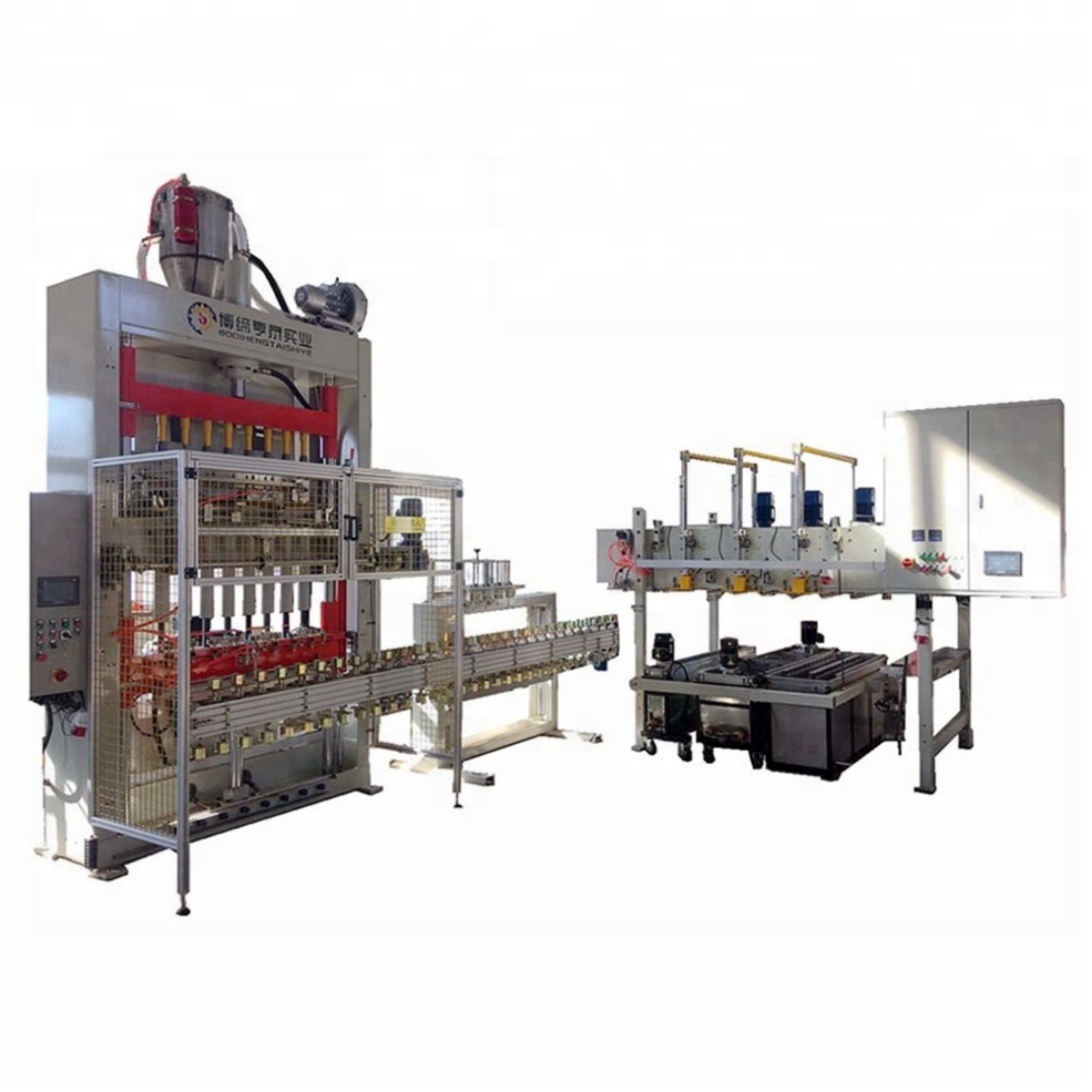
Small to large candle pouring equipment, wax mixing pots, wax pressing machines, and other machinery.
Many overseas customers initially only bought Kunlun paraffin wax grade wax from us, but later entrusted us with the entire raw material and equipment supply for their candle factories. This is because it saves on transportation costs, ensures strong compatibility, avoids material incompatibility issues, and saves significant procurement and communication costs.
 VIII. Conclusion: Choosing the right melting point is choosing the right direction for the future of candles.
Melting point is not just a temperature; it affects the quality, appearance, burning, stability, and market adaptability of candle products. Different types of candles require different melting points of Kunlun paraffin wax grade wax. Whether you are making cup wax, tea wax, everyday wax, or large pillar wax or artistic wax, Junda Wax can recommend the most reliable formula based on your product and sales region.
Junda can provide a complete solution from paraffin wax to wicks to equipment. Welcome to visit our factory!
If you are looking for a stable and reliable Kunlun paraffin wax-rated supplier, or if you are looking for a partner who can provide a one-stop solution for paraffin wax, wicks, dyes, fragrances, molds, cups, packaging, and machinery, Junda Wax welcomes you to talk to us. We have exported to dozens of countries, serving clients ranging from small studios to large candle factories, and are very familiar with the requirements of different markets for candles.
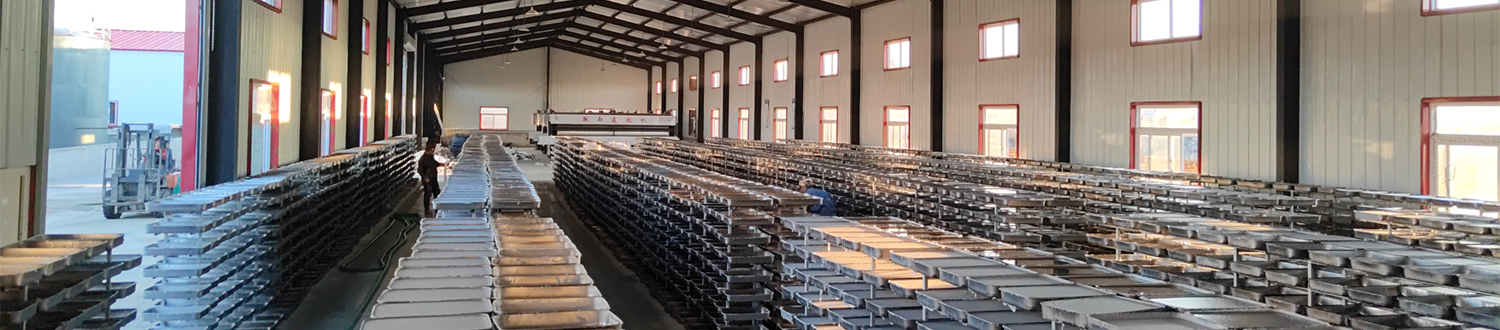
We also welcome you to visit our Junda factory. We have a complete candle production line on display, where you can test the effects of waxes with different melting points and visually compare the differences. We hope to work together to create more stable, more attractive, and better-selling candle products. Please feel free to email us at RobyHuo@jundawax.com; we are happy to answer your questions.
