
Penetration can be understood as the quantitative measure of paraffin wax's relative softness or hardness. A higher penetration value indicates that the paraffin is softer, whereas a lower value suggests a harder overall structure. In actual production, many manufacturers often discover that—despite having purchased fully refined paraffin with identical melting points—the resulting candles exhibit vastly different levels of hardness; in many cases, the root of this discrepancy lies in the penetration value.
Fully refined paraffin wax with a low penetration value possesses a denser overall structure, making it particularly suitable for manufacturing pillar candles, carved candles, and products destined for long-distance transport. Candles produced using this type of paraffin tend to remain straighter and are less prone to bending; furthermore, they demonstrate superior stability in high-temperature environments during the summer months. This is especially critical for exports to markets in the Middle East, Africa, and Southeast Asia, where many clients pay close attention to penetration data. Given the high temperatures often reached within shipping containers during transit, overly soft paraffin can easily lead to issues ranging from slight softening to outright deformation of the candles.
Paraffin with a high penetration value is relatively softer and exhibits better flow properties. Consequently, this type of paraffin is often the preferred choice for scented container candles or glass-jar candles. Its appropriately soft structure facilitates better integration with fragrances and promotes the formation of a consistent melt pool, typically resulting in a more pronounced fragrance throw. However, if the penetration value is excessively high, it may lead to issues such as a soft surface texture, inconsistent mold release, or even an accelerated burn rate.
Drawing upon its extensive experience serving candle manufacturers across various countries, Junda Wax provides recommendations for specific penetration ranges of Candle Grade Paraffin Wax tailored to each client's specific product type. This approach acknowledges that the functional requirements for "hardness" vary significantly depending on the type of candle being produced. For example, birthday candles prioritize structural stability; tea lights focus on uniform burning; while scented container candles prioritize fragrance retention and melt pool performance.
The penetration value directly influences the long-term aesthetic integrity of a candle. If the paraffin is too soft, it becomes more susceptible to surface sinkage, edge shrinkage, or indentation marks caused by pressure during transit as it cools. In contrast, paraffin with a lower penetration value tends to maintain its structural integrity more effectively, making it particularly well-suited for manufacturing gift candles or religious candles intended for prolonged display.
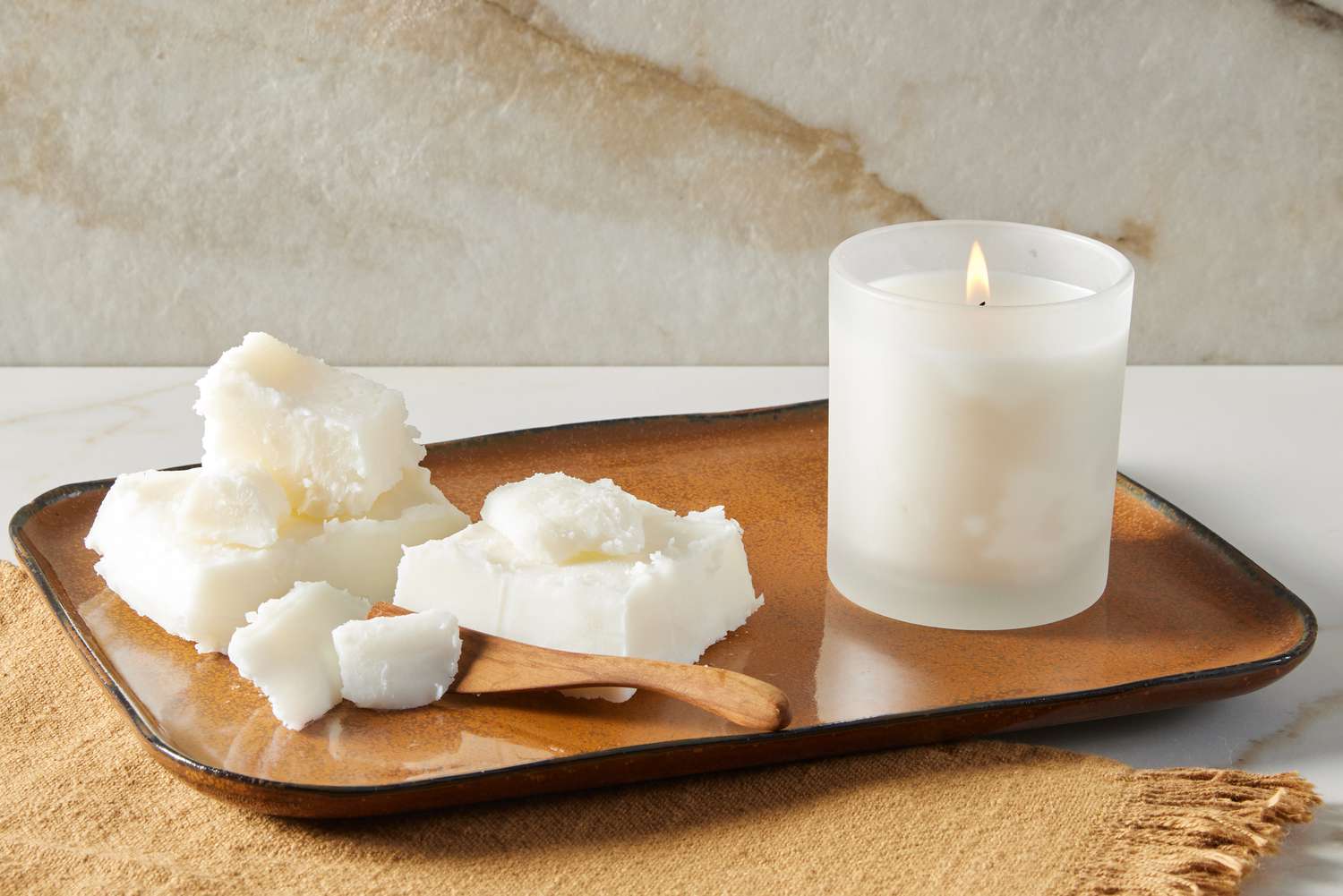
In the context of automated manufacturing processes, the significance of the paraffin's penetration value becomes even more pronounced. Many high-speed production lines demand extremely high stability regarding paraffin wax hardness. If the penetration values vary significantly between different batches, it can easily lead to inconsistent cutting dimensions, fluctuations in mold release rates, or unstable cooling times. Consequently, an increasing number of large-scale candle manufacturers now require suppliers to provide comprehensive testing data—rather than just a simple specification sheet—when purchasing paraffin wax.
Through its extensive experience in the export market, Junda Wax has also placed growing emphasis on ensuring consistency across different batches of paraffin wax. For export-oriented candle factories, truly stable raw materials are defined not merely by their ability to "make a candle," but by their capacity to consistently and reliably integrate with production equipment and meet the specific demands of target markets over the long term.
In addition to offering various grades of fully refined paraffin wax, Junda Wax currently provides a one-stop supply solution that includes candle wicks, color pigments, and candle-making equipment, thereby enabling clients to manage their raw materials and production systems more efficiently. This is particularly critical for clients actively expanding into export markets, where consistent paraffin hardness and reliable long-term supply capabilities are becoming increasingly vital.
While penetration value may not be as commonly cited as melting point, it is, in fact, a critical core metric that determines a candle's hardness, its stability during transport, and its molding performance. If you are seeking fully refined paraffin wax solutions tailored to specific candle types, we invite you to contact Junda Wax at any time; we can assist you in identifying the most suitable paraffin specifications based on your product structure, climatic environment, and production methods.
