
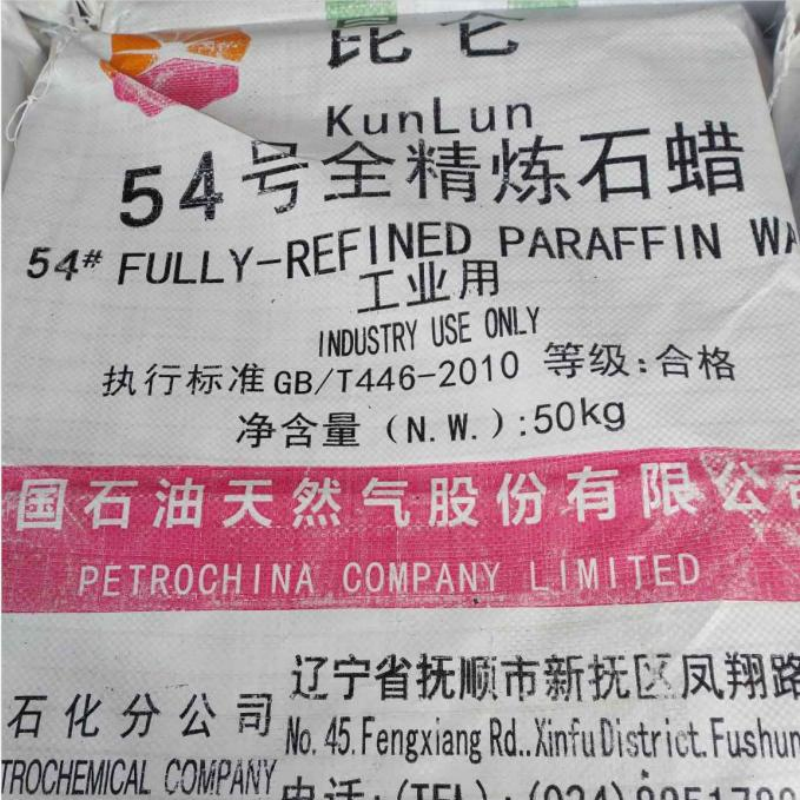
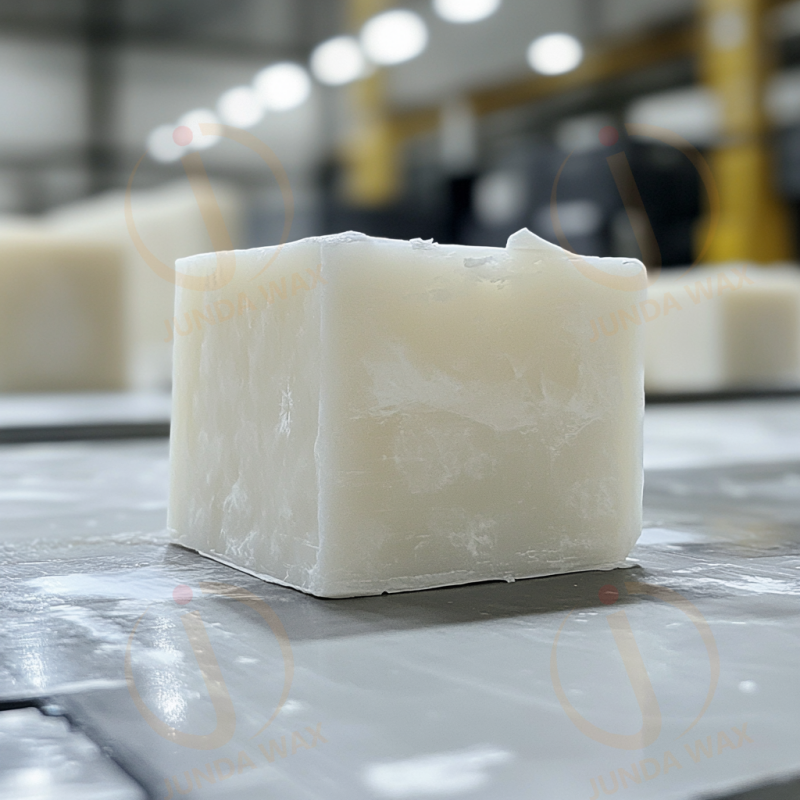
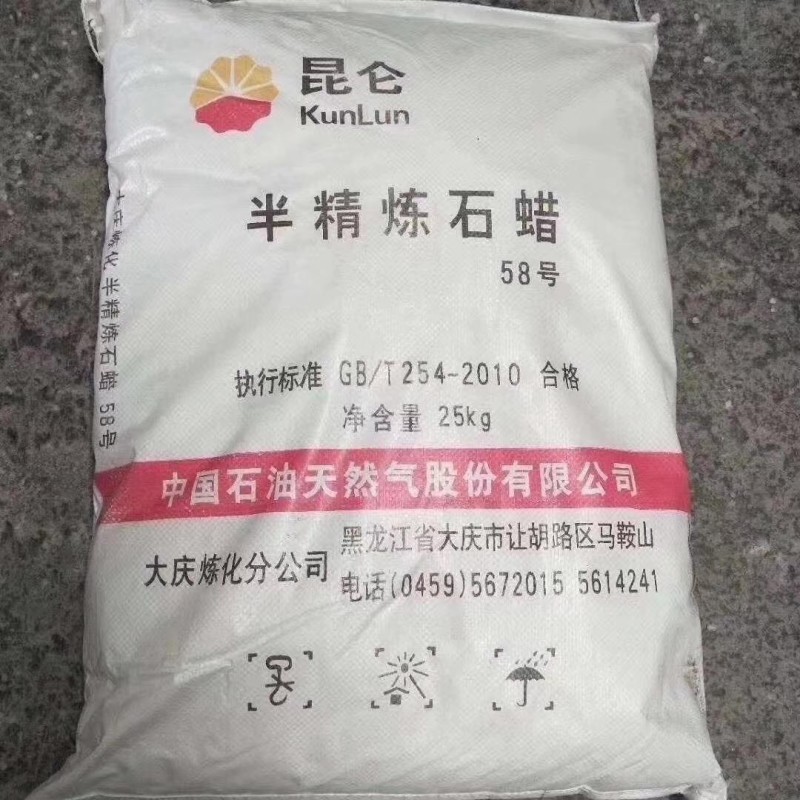
Many customers struggle with the question of oil content when choosing fully refined paraffin wax: how should they select it? Is lower always better? Actually, no. Oil content directly affects the candle's hardness, shaping effect, burning performance, and transport stability. Different types of candles have completely different oil content requirements. Over the years, in providing export-grade products for clients in various countries, we've found that the key isn't pursuing the lowest possible value, but rather finding the range that matches the product's positioning. This is the core factor Junda Wax considers first when providing selection advice to clients.
Tea Wax: The Balance Between Stability and Cost
Tea waxes are small in size and have a concentrated burning time, making them very sensitive to cost and burning stability. Generally, an oil content of 0.5%–0.8% is suitable, ensuring shaping efficiency without causing excessive flame or smoke during burning. If the oil content is too high, it's more prone to softening and deformation during summer transport; if it's too low, it may affect production flowability. Junda Wax has long supplied fully refined paraffin wax for tea waxes to the European, American, and Southeast Asian markets, providing different recommendations based on different climate regions to ensure batch consistency.
Columnar Wax: Hardness Determines Transportation Safety
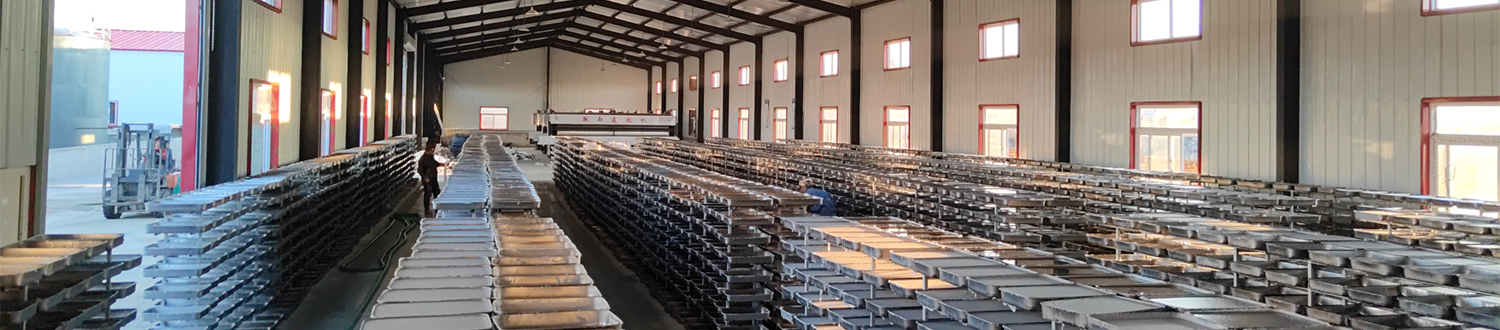
Columnar wax emphasizes structural support, especially when exported to high-temperature regions where differences in paraffin hardness are amplified. It's generally recommended to choose an oil content close to 0.5% or slightly lower to ensure a more upright wax body and reduce the risk of edge collapse and an oily surface. Many customers only realize after switching suppliers that even slight differences in hardness can directly impact return rates. Junda Wax's own warehousing and stable raw material system enable it to maintain consistency in hardness and oil content over long-term supply, helping customers reduce transportation risks.

Container-Based Scented Wax: Focus on Fragrance Release Rhythm
Scented waxes have even higher requirements for the encapsulation and release rhythm of fragrance. Too high an oil content results in a large flame during burning; too low a content leads to an overly hard wax body and a slow fragrance diffusion rhythm. It's generally recommended to find a balance within the 0.5%–0.7% range, along with an appropriate wick and fragrance ratio. While providing fully refined paraffin wax to our clients, we also simultaneously supply wax production lines, dyes, and candle manufacturing equipment. This comprehensive approach to material matching optimizes burning performance, a key advantage of Junda Wax's one-stop service.
Colored and Sculpted Waxes: Lower Oil Content Enhances Detail
Colored and sculpted waxes demand higher levels of surface smoothness and clarity of outlines. Higher oil content can lead to oil seepage or a grayish hue. Generally, an oil content closer to 0.5% or lower results in purer colors and clearer lines. Of course, this requires a stable refining process; simply reducing oil content won't guarantee the desired effect. Junda Wax differentiates grades for different application areas during the refining and screening process, rather than using a single standard to cover all products.
It's important to emphasize that oil content is only one crucial dimension for judging paraffin wax performance. Melting point range, crystal structure, and raw material source are equally critical. Some paraffin waxes may have impressive parameters, but large batch-to-batch fluctuations can lead to more problems in actual production. In our long-term collaborations with clients in multiple countries, we prioritize consistent and stable supply capabilities and application compatibility, rather than just one-off price advantages. This is a key reason for Junda Wax's steady expansion in export markets over the years.
Different candle types have different requirements for oil content. Tea-colored candles emphasize balance, pillar candles stress hardness, scented candles focus on release rhythm, and colored candles pursue detailed presentation. The truly scientific approach is to select the appropriate range based on product positioning and the sales market, and then confirm the compatibility through testing. Junda Wax not only provides multi-specification fully refined paraffin wax but also offers a one-stop supply of wax production lines, color powders, and candle production equipment, providing comprehensive support from raw materials to production, helping clients make their products more stable and competitive in the market. Feel free to contact us anytime.
