
Why do burning candles produce black smoke and residue?
When a candle is lit, the heat from the wick's flame melts the solid wax into liquid, which is then drawn to the top of the wick through capillary action and vaporized into a combustible gas. This seemingly simple process is actually a complex chemical reaction.
"Incomplete combustion" is the culprit for producing black smoke and harmful substances. Under ideal conditions, wax vapor should fully react with oxygen, completely converting into carbon dioxide and water. However, in real-world conditions, the combustion environment of candles is often limited. For example, if the wick is too long, air flow is unstable, or the wax itself contains a large number of impurities, the fuel cannot obtain sufficient oxygen, resulting in "incomplete combustion."
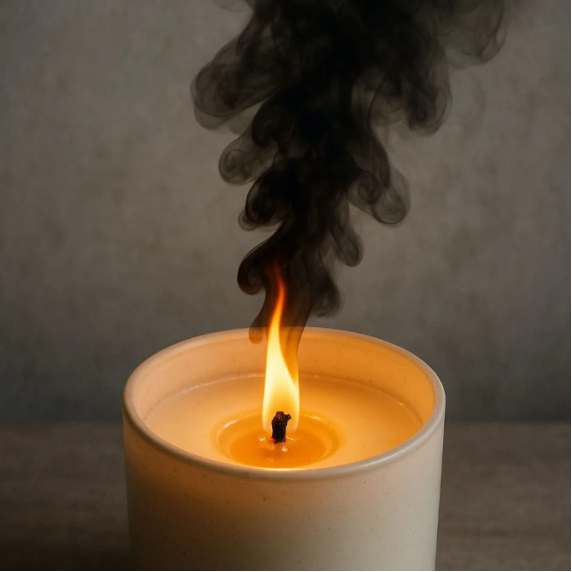
At this point, candles can cause two major problems:
Soot: This is the visible black smoke. These are tiny, incompletely burned carbon particles. They can blacken walls, ceilings, and lampshades, and even lodge in the lungs when inhaled.
Harmful Gases: Incomplete combustion can produce volatile organic compounds (VOCs) such as carbon monoxide, formaldehyde, and toluene, as well as potential carcinogens such as polycyclic aromatic hydrocarbons (PAHs).
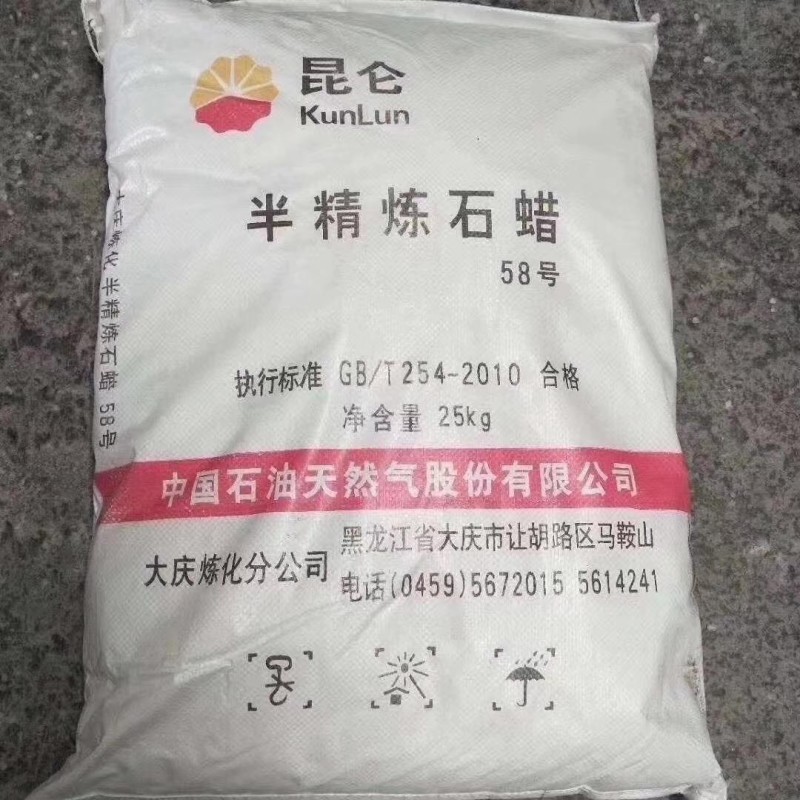
Traditional paraffin candles are mostly made from semi-refined or unrefined paraffin wax. This raw material is of lower purity and contains more oil and impurities, making it very prone to producing black smoke and harmful substances.
How does Fully refined paraffin wax improve candle burning quality?
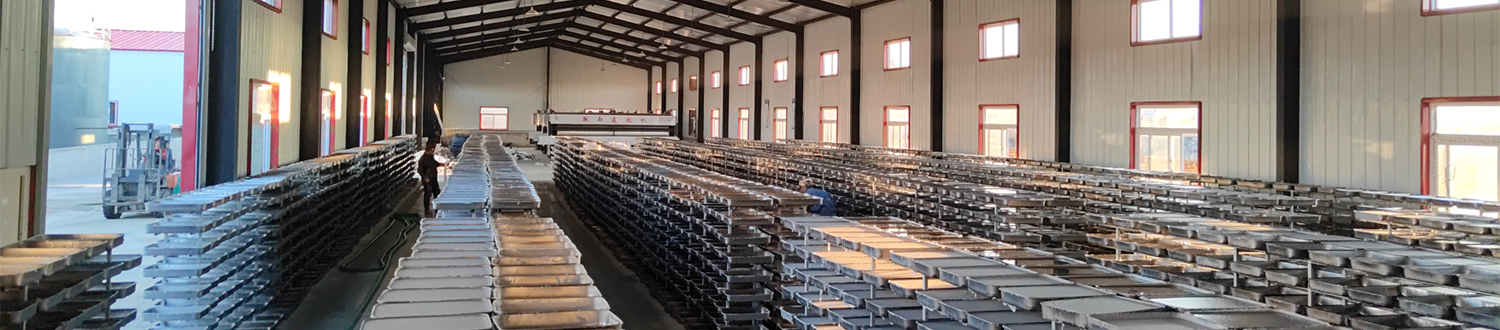
Paraffin wax is a byproduct of petroleum refining. The degree of "refining" of Fully refined paraffin wax directly determines its quality. After complex distillation and separation of crude oil, the resulting wax paste contains a variety of impurities, including oil, sulfur, nitrogen compounds, and aromatic hydrocarbons. Achieving high-quality Fully refined paraffin wax requires the following complex steps:
Hydrogenation: This is the most critical step. Under high temperature and pressure, hydrogen is introduced into the wax liquid in the presence of a catalyst. The hydrogen reacts with heteroatoms such as sulfur, nitrogen, and oxygen in the wax to produce easily separable gases (such as hydrogen sulfide, ammonia, and water). It also converts unstable, soot-producing unsaturated compounds, such as polycyclic aromatic hydrocarbons, into stable saturated hydrocarbons. This process significantly purifies the wax base.
Deoiling: Through techniques such as freezing, sweating, or solvent extraction, the oil content in the wax is further removed, raising the wax's melting point and hardness, and making its structure more stable.
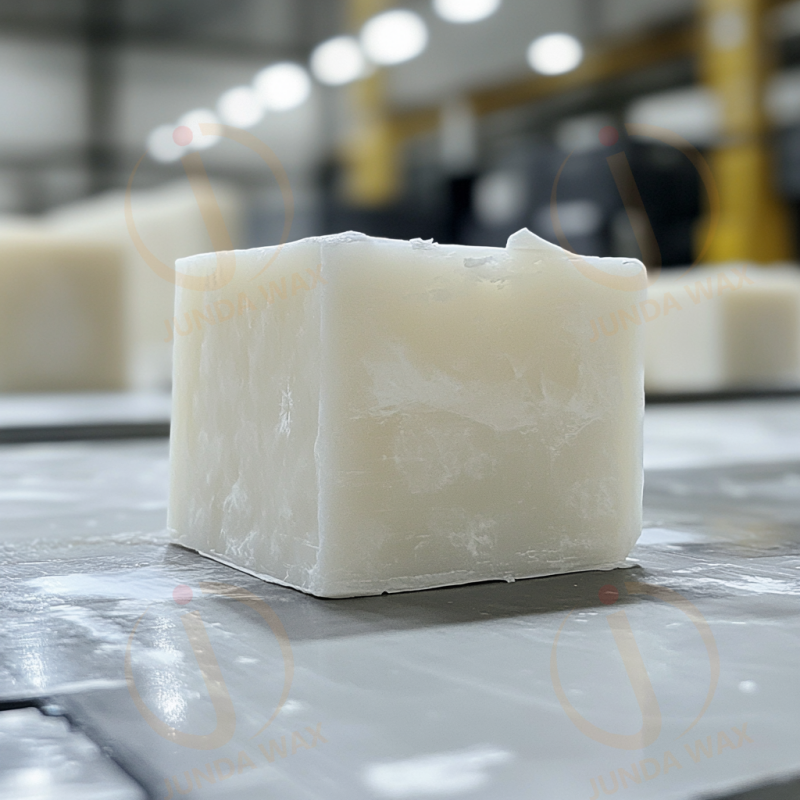
Clay refining or filtration: Use adsorbents such as activated clay to remove the last trace pigments and impurities remaining, making the paraffin appear crystal clear and snow-white, turning it into pure Fully refined paraffin wax.
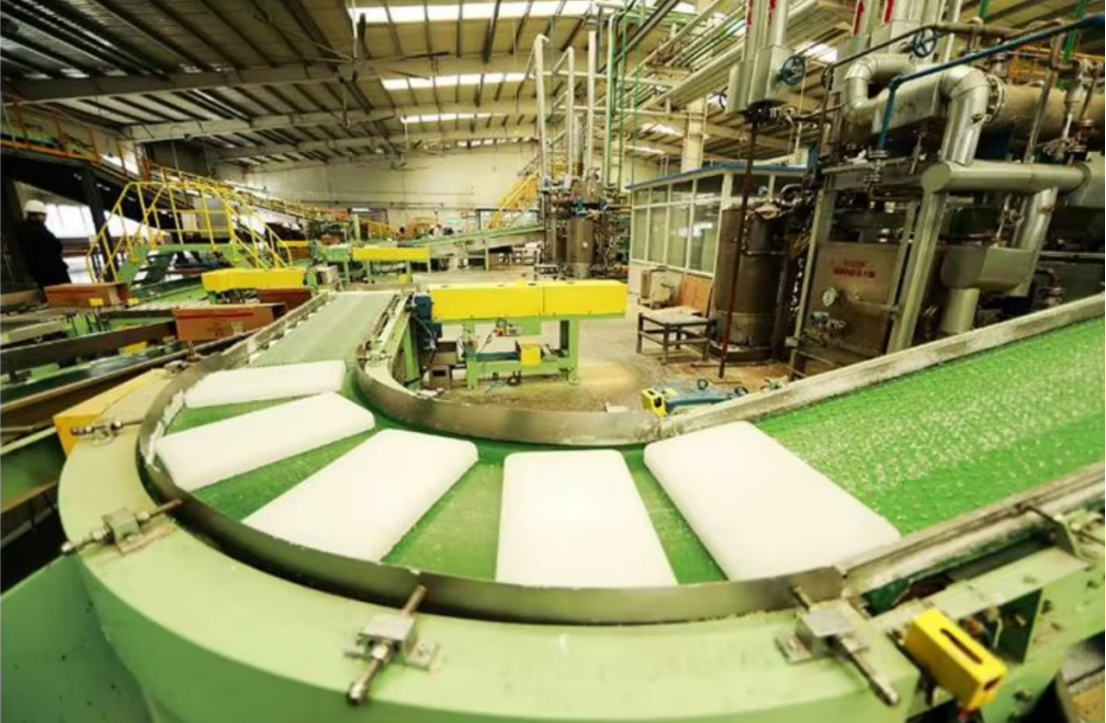
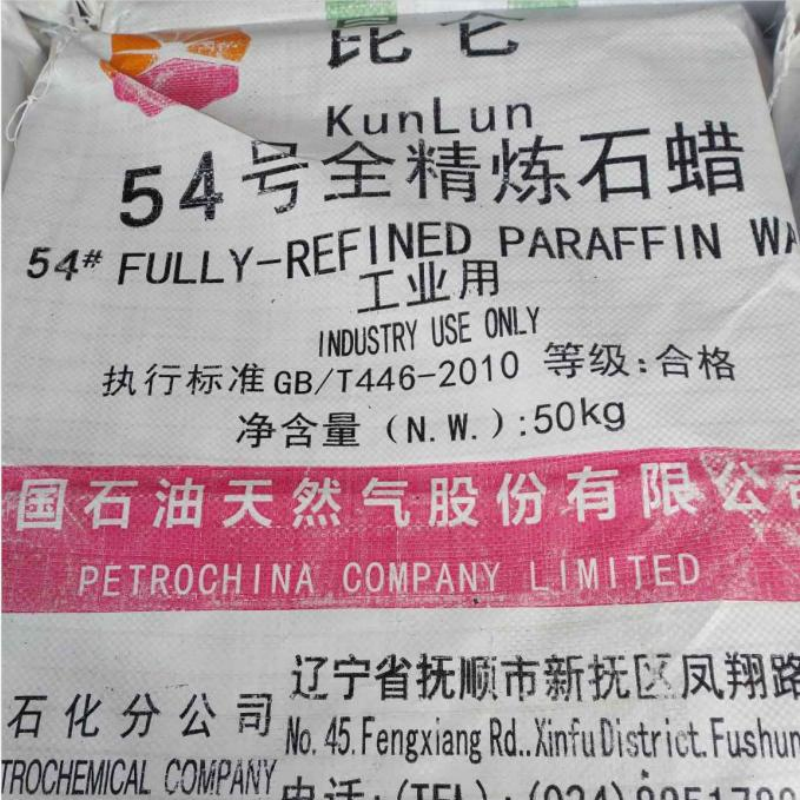
After this series of deep refining, Junda produces Fully refined paraffin wax with an extremely low oil content (typically less than 0.5%), as well as very low levels of impurities and aromatic hydrocarbons. After refining, Fully refined paraffin wax's chemical composition is primarily pure, straight normal alkanes. This molecular structure allows for more stable and complete oxygen bonding during combustion, minimizing soot and harmful gases at the source.
Are Fully refined paraffin candles healthy?
The myth that "paraffin wax candles are toxic" circulates in the market, essentially equating all paraffin waxes with low-quality ones. In fact, Fully refined paraffin candles are safe under normal use. The American Candle Association (ACA), citing multiple independent studies, indicates that the combustion emissions of a quality Fully refined paraffin candle are comparable to those from cooking fumes or everyday household activities, posing no significant risk to healthy adults.
The key to whether candles are harmful depends on "complete combustion" and "impurity levels." The full refining process removes most impurities that could potentially cause harmful substances. The combustion products of Fully refined paraffin candles are essentially the same as those of traditional soy or palm wax candles: essentially carbon dioxide, water vapor, and trace amounts of combustion products.
The combustion of any substance produces emissions. The key to ensuring safety lies in:
Proper use: Trim the wick to approximately 6 mm before lighting each candle. Keep the candle in a draft-free environment and avoid burning it in a confined, unventilated space for extended periods.
Choose a reliable brand: Buy candles clearly labeled Fully refined paraffin wax, Junda wax is a factory specializing in the production of Fully refined paraffin wax with more than 20 years of production experience. It has reached long-term supply agreements with candle production factories in many countries and regions.
Comparison between Fully refined paraffin wax and all-vegetable candles
In recent years, plant-based waxes like soy and coconut wax have gained popularity thanks to their marketing claims of being "all-natural" and "renewable." However, Fully refined paraffin wax is not unused. In fact, due to its unique physical properties, it is very popular in the high-end candle market.
| Fully refined paraffin wax | Plant-based wax | |
| Aroma performance | Produces a stronger, more complete aroma, accurately presenting complex, layered aromas. | The aroma release is relatively soft, and the expression of complex fragrances is limited. |
| Combustion performance | Burns stably and fully, easily creating a smooth wax pool to minimize waste. | The burning performance depends on the formula, and it is prone to problems such as incomplete combustion. |
| Appearance and texture | Its crystal-clear texture and highly malleable formability meet the demands of high-end artistic designs. | The texture is natural milky white, and the expressiveness of the shape is relatively limited. |
| Process maturity | Mature and stable production technology ensures consistent quality control and a guaranteed user experience. | The formulation and processing are still developing, and there may be differences between different batches. |
| Professional recognition | Highly regarded by professional perfumers, it is the preferred base material for high-end scented candles. | It is mainly for environmental protection and is rarely used in the professional candle industry. |
Applications of fully refined paraffin wax:
High-end home fragrances: Fully refined paraffin wax has become the base of choice for many internationally renowned fragrance brands (such as certain lines of Yankee Candle and Circle), offering exceptional fragrance diffusion.
Food and Hospitality: Smoke-free, pure-scented candles are essential for creating a welcoming atmosphere in fine restaurants and hotels. Junda wax's Fully refined paraffin wax candles offer a superior customer experience.
Religious and ceremonial occasions: Fully refined paraffin wax is often chosen for occasions that require high combustion stability and duration.
Reference:
[1] American Society for Testing and Materials. Standard Specification for Fire Safety for Candles. ASTM F2417-23, 2023.
[2] Fine, P. M., Cass, G. R., & Simoneit, B. R. T. (1999). Characterization of fine particle emissions from burning church candles. Environmental Science & Technology, 33(14), 2352-2362.
[3] National Candle Association. (2024). Candle Science & Safety.
[4] Derudi, M., Gelosa, S., Sliepcevich, A., et al. (2012). Emissions of air pollutants from scented candles burning in a test chamber. Atmospheric Environment, 55, 257-262.
