
The latest events about the conflict in Iran have greatly intensified the sensitivity of the entire energy market. The Middle East, being one of the world's largest oil-producing regions, becomes the main topic of concern for the markets as soon as any instance of instability happens there; they immediately think about the disruption of future oil supplies instead of the reduction of already produced oil. Such changes in investors' expectations are often preceded by an adjustment of prices, which explains why the rise of oil prices seems so astonishingly quick.
However, volatility of this kind in the market is not something new at all for Junda Wax. Being the leading manufacturer of paraffin wax, we are primarily concerned with the stability of our raw material supplies as well as the speed at which price changes get reflected at every level in the supply chain. Due to the strength of our supply sources at the upstream end of the production process, we can significantly dampen the influence of temporary fluctuations in the market. Customers who wish to know our views on what to do when prices go up abruptly may first consider the short-term price and then the long-term one. In fact, if the market has started a period of continuous volatility, purchasing in such a way as to ensure better stability is a laid-out plan.
Why is it that the price of paraffin wax is so tightly correlated with the price of crude oil?
While it does raise some curiosity on the production side that paraffin wax is a mere component of the oil refining process and is produced as a material byproduct, it cannot be separated from its connection to crude oil. The price level of crude oil represents the deskill level as it sets the stage for the production of paraffin wax. When the prices of crude oil go up, the running costs of the refining process rising on overall levels, that bring about a trickle-down effect to the paraffin wax sector. Besides, the moment there is a shift in the profit margins, some of the refineries may decide to lower the production volume of paraffin wax, which will, in fact, result in changes on the supply side of the market.
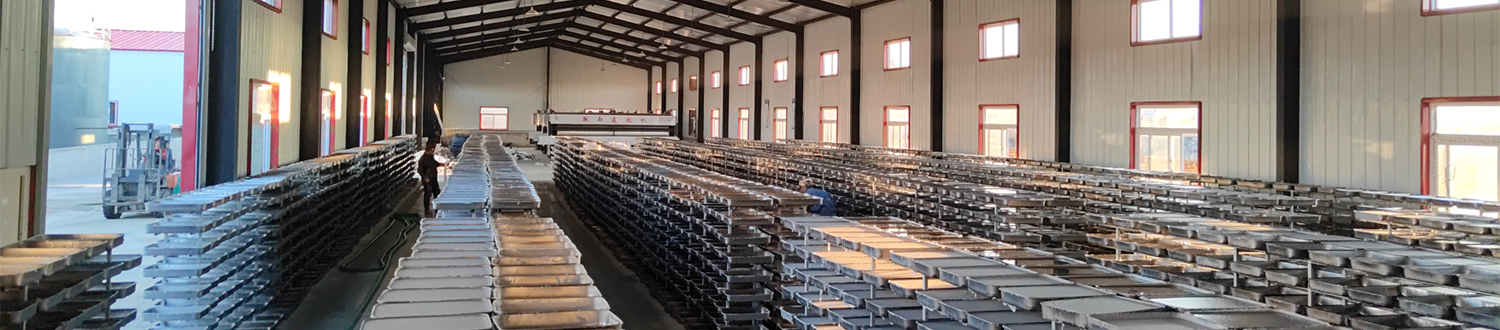
We at Junda Wax always work at manufacturing in the 24h mode and have the ability to supply paraffin wax at specifications that meet a wide range of requirements. This gives us an opportunity to maintain a steady supply for the orders from our customers. We caution our clients to keep an eye on two things in these times of market fluctuations: First, whether the overall production cost is increasing sustainably; and second, what is the likelihood of a shortage of supply in the market. Should the first and the second happen at the same time, we believe that the best approach is not to just watch the market and wait for the break, hoping everything will be fine.
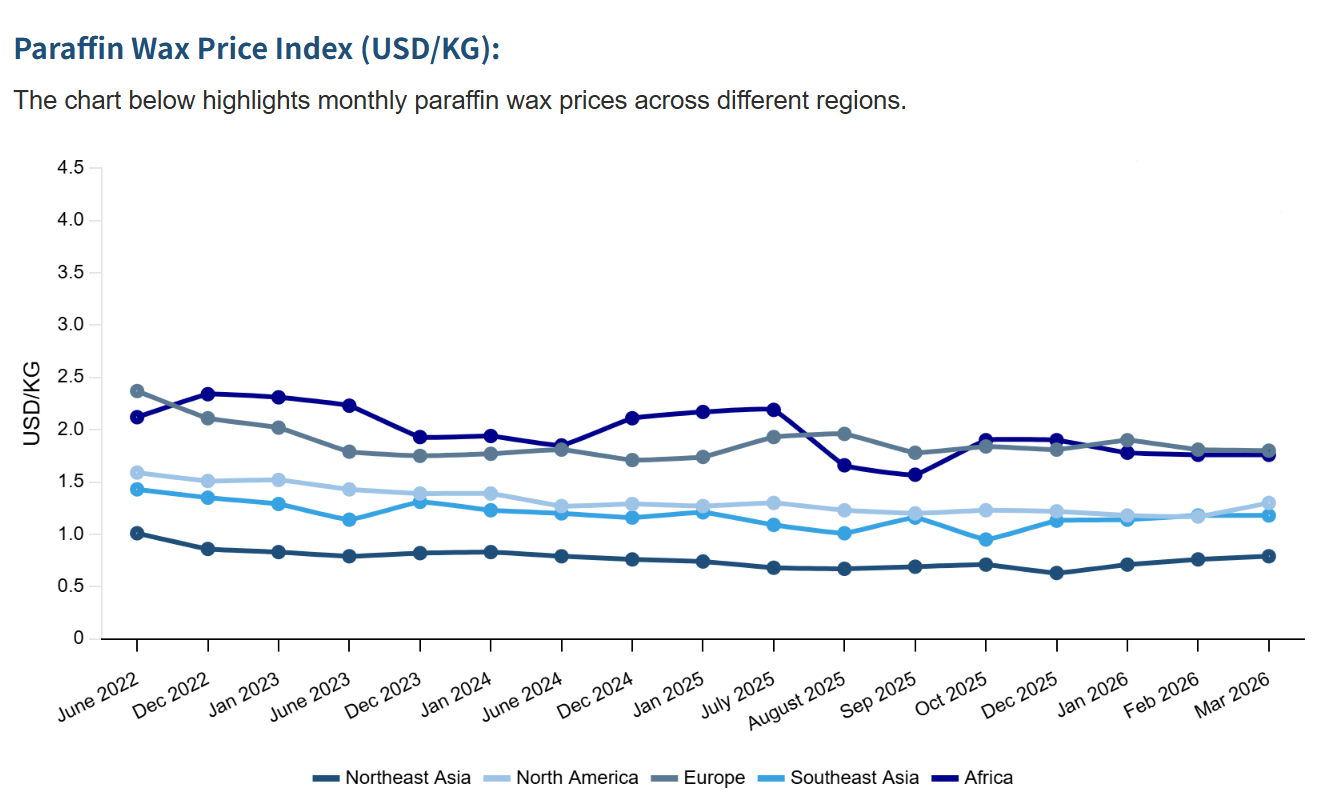
Is the situation with short-term volatility going to be prolonged?
The market is quite uplifted on the basis of sentiment and expectations. Should the conflict be resolved shortly, prices will most likely fall; if the conflict continues, they may remain at a higher level for a while. Paraffin wax, because of its nature of being a part of the oil industry, cannot help but be affected by the oil market.
Judging from the actual questions and orders that we have been getting, the increase in customer activity can be seen quite clearly, which suggests that businesses are already on the way to taking action to prepare for the market changes. At Junda Wax, we are always ready to changes our production and delivery schedules to meet the specific requirements of our customer. The advice we give most often to our clients is: do not try to beat the market down, buy according to your inventory cycle; this way you will find it easier to handle the risks that market volatility brings along.
Which area is purchasing paraffin wax highly exposed to the risk of the real impact?
From the point of view of a purchaser, the greatest immediate effect of the current market changes is not so much the price increase but the growing challenge of decision-making. On the one hand, prices are unstable; on the other, getting the right pace of purchasing seems to be more of a mystery, all the while supply assurance is being evaluated.
Junda Wax, in this case, offers reliability as the main strength, especially in terms of continuous manufacturing capability, steady supply, and, highly experienced export logistics. What we tell our clients on the basis of the position of a vendor is to focus on the aspect of securing supply rather than the aspect of cost being optimized. The rationale for this is that a break in supply might cause production operations downfall to a much greater extent than a price jump alone.
.webp "Paraffin Wax")
At this point in time, there is usually a big part of our clients who are wondering if they should hold on to the buying until prices come down. However, the uncertainties of the market that surround the situation make it nearly impossible to make any exact timing for this kind of decision. As a matter of fact, the idea of purchasing in small batches of resources and gradually locking them in over time is a much better alternative.
Junda Wax production operations are flexible and can be changed in line with customer orders, as far as phased buying is concerned, we can meet that type of buy only. Our recommendation is that one does not make a single or lump-sum purchase but breaks down procurement into multiple buying cycles so that risk can be diversified across different price points and cost control can be enhanced.
Market price fluctuations are, in our opinion, a normal part of the way the markets function; on the other hand, supply stability is not just a dream but an achievable result of good management. Because of its long-term relationships with raw material suppliers coupled with the capacity for large-scale, continuous production, Junda Wax is in a position to hold on to a relatively smooth supply rhythm during a period of market volatility.
From the standpoint of a vendor, our suggestion for our clients is that when they are in the process of choosing a business partner, they should not limit themselves to a one-off price quotation only but rather should assess the vendor's capability of supplying the product in the long run. Especially at times when the market is unstable, having a good and reliable supply chain system may, in fact, turn out to be the most decisive factor, outweighing even price.
If you have been watching price changes like a hawk lately, maybe it is time to change your focus. Instead of questioning whether prices at present are high or low, the better first step is to define your consumption cycles, inventory levels, and specific requirements with regard to supply stability.
Depending on the actual requirements of a client, Junda Wax has the capability to deliver a very bespoke supply solution which can include, besides the purchasing schedule, specifications of products, as well as arrangements for delivery. What experience has taught us is that the results tend to be a lot more consistent and less prone to surprise when procurement decisions are guided by one's own operational requirements as opposed to being based on market sentiment.
The conflict in Iran, for instance, does not happen very often, but every time there is a surge in market volatility, the supply chain resilience is pushed to the limit. At Junda Wax, what we have been doing all along is giving our customers a hand with a more reliable paraffin supply in the face of this uncertain environment. Also, at this moment in time, we counsel buyers to give high priority to supply security, procurement pacing, and robustness of partnerships instead of concentrating on short-term prices for only. This is the only way one can keep a more manageable operational posture in a definitely unstable market.
