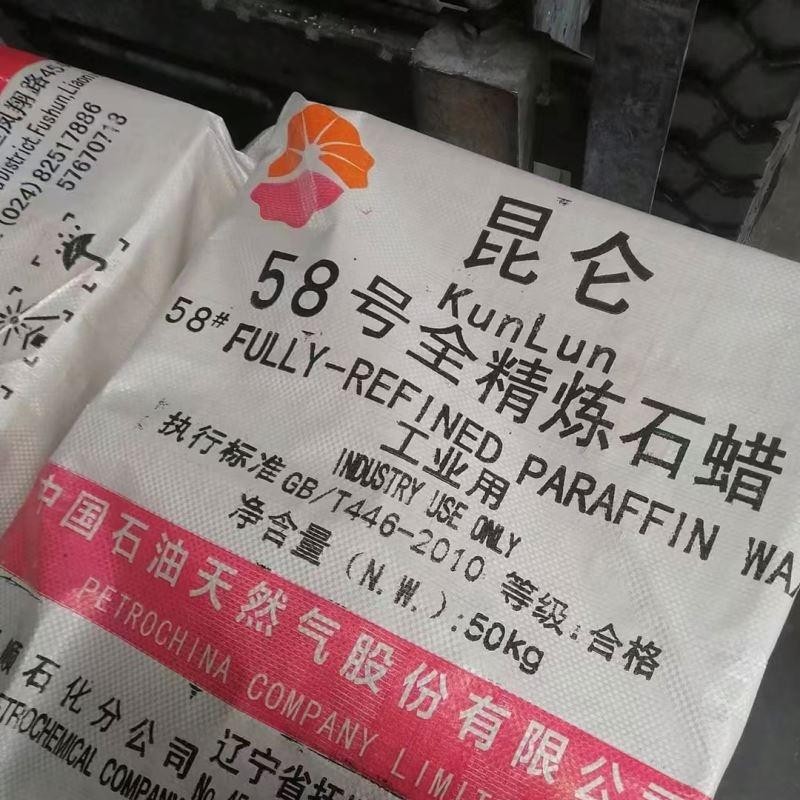
Paraffin wax is a product of petroleum, a versatile material that is central in the numerous industries - candle making and packaging, cosmetics and industrial manufacturing. The following is the human-centric, in-depth overview of its origin, properties, types, and broad-based uses, which is composed in natural flow and real-life context.
What Is Paraffin Wax?
Paraffin wax, fundamentally, is a blend of straight-chain alkanes, mostly consisting of C18 to C30 (although the range may be different), which are extracted out of petroleum. It is an impurity formed during the refining of the crude oil, that is, it is a byproduct of the refining of the distillation and dewaxing processes of making gasoline, diesel and other fuels. Paraffin wax (as opposed to other natural waxes e.g. beeswax, soy wax) is a synthetically processed product and does not have the chemical structure of natural waxes that remain stable and inert.
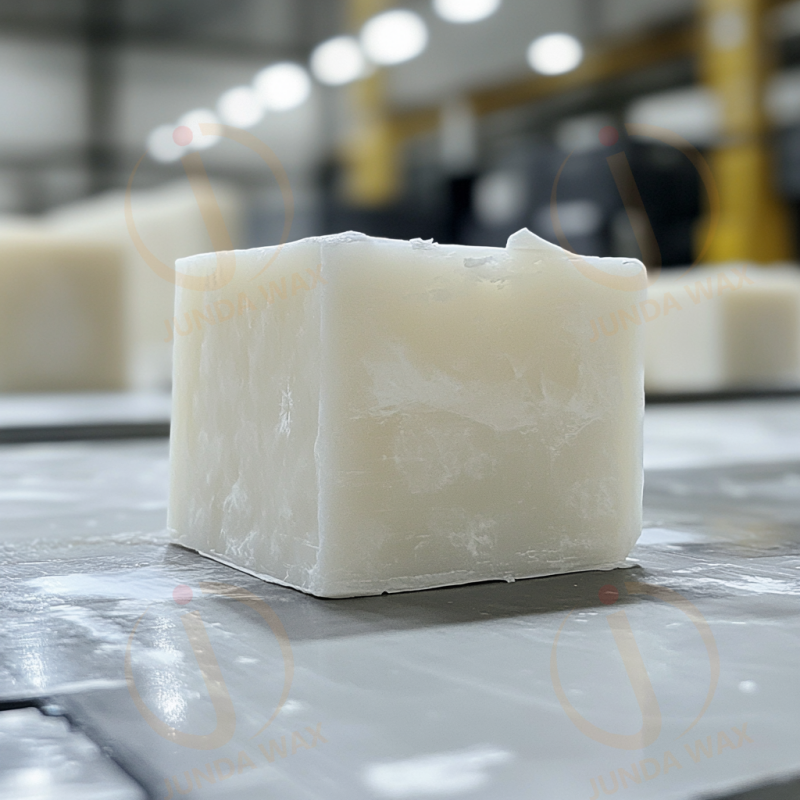
It was named after the Latin parum affinis, meaning little affinity, as it reacts badly with other substances, a property which makes it invaluable in many applications. Sold forms Paraffin wax is normally sold as a solid: slabs, blocks, pellets, or flakes with a wavy feel, pale in colour, and mild and neutral smell (or no scent at all, in refined grades).
Important Characteristics of Paraffin Wax.
The popularity of paraffin wax is due to the combination of unusual physical and chemical properties that can be easily tailored depending on the refining processes and grade:
Physical Appearance: Unrefined paraffin wax is light yellow or amber, whereas refined grades are either white, clear, or opaque. When at room temperature, it has a smooth non-sticky surface, and a brittle, crystalline fracture.
The degree of melting: This is one of its most variable characteristics the melting points are between 40degC and 70degC and this is depending on the grade. Waxes which melt at lower temperatures (40degC-50degC) are creamy and soft, whereas those with higher melting points (60degC-70degC) are hard and stiff.
Chemical Stability: It is also non-toxic, oxidation resistant, and acid as well as alkali resistant. This stability implies that it does not reacts easily with other substances meaning that it is safe to contact with food and skin as well as other sensitive products.
Low Oil Content: The refined paraffin wax contains little oil content (usually [?]0.5%), which eliminates the tendency to "sweat" (oil leaks) in the refined paraffin wax and guarantees stability in performance over time.
Burn Characteristics: On ignition, melted, and used (with a wick), burns slowly and uniformly with little smoke- particularly in refined grades. It burns continuously and does not release any toxic fumes in case of proper burning.
Solubility: It is insoluble in water but soluble in oils, fats and organic solvents such as benzene or turpentine. It is easy to mix with fragrances, dyes, and other additives.
Paraffin Wax types (By refining degree)
The main division by which paraffin wax is classified is its refining process which determines purity, appearance, and performance.
Crude Paraffin Wax:The most impure grade containing high amounts of impurities (sulfur, heavy metals, and oils left). It is dark amber in color, smells strongly of petroleum and contains high content of oil (5%-10%). Applied in the industry mainly as a corrosion inhibitor, lubricant or a low cost additive in asphalt.
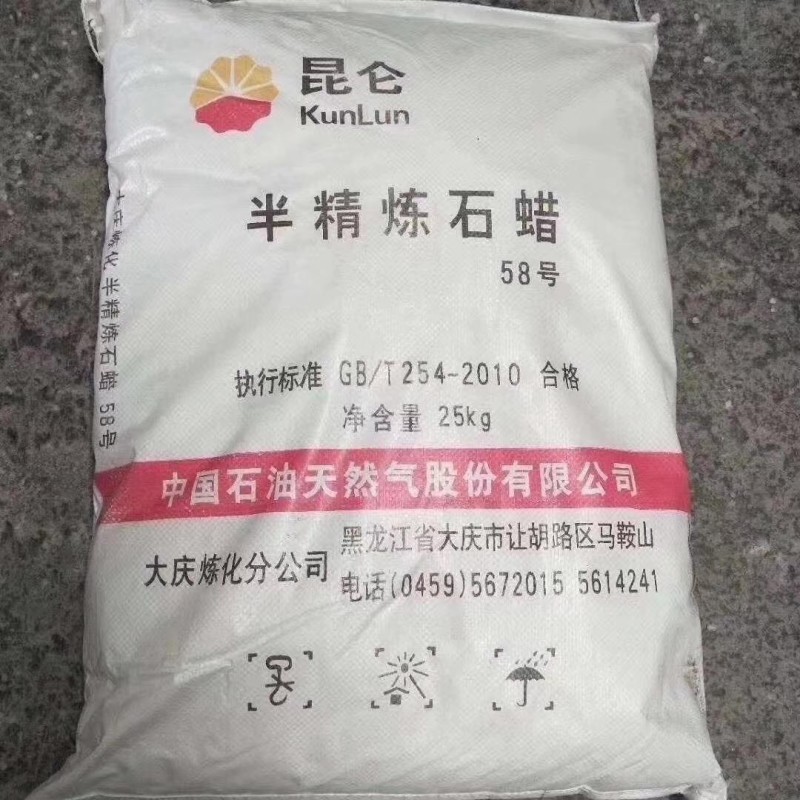
Semi-Refined Paraffin Wax:The semi-refined paraffin wax is purified (in solvent dewaxing and simple filtration) to limit impurities and oil content (1-3%). It is a pale yellow in color and its odor is mild balancing cost-performance. Typical applications are candle making (cost effective), coating of packages and treatment of textiles.
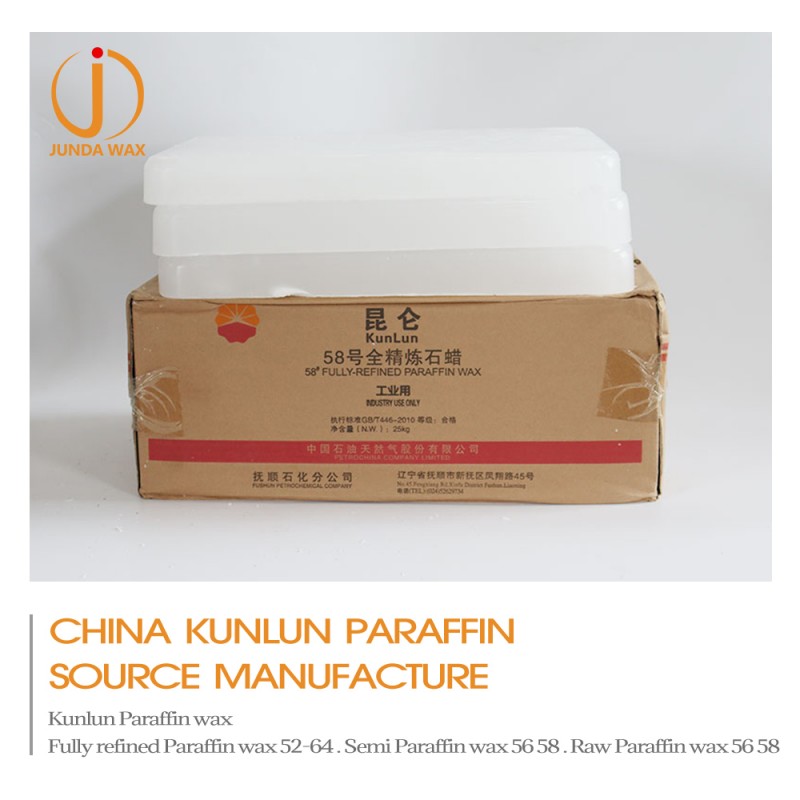
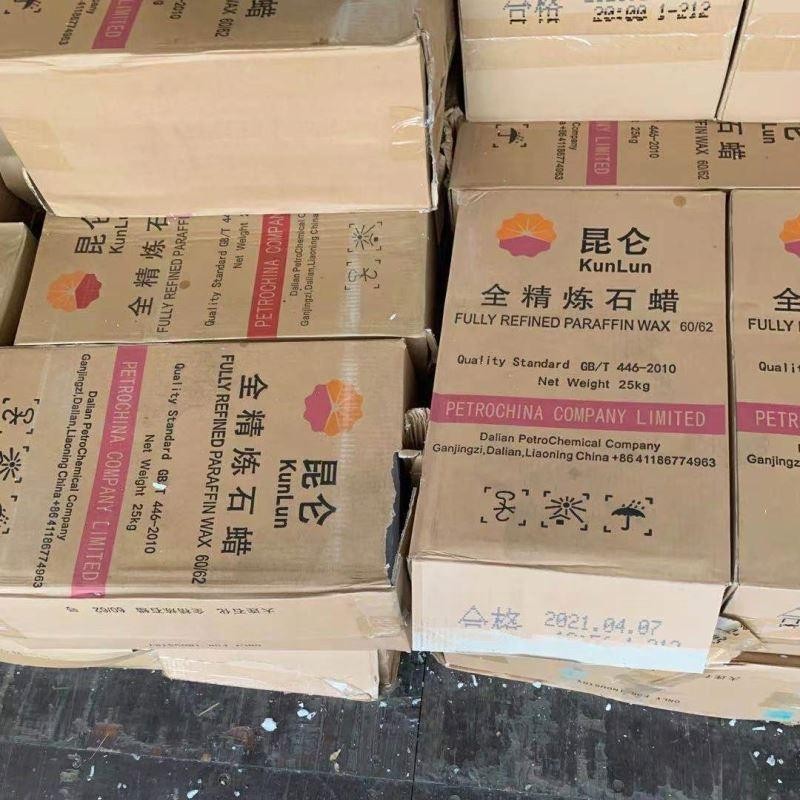
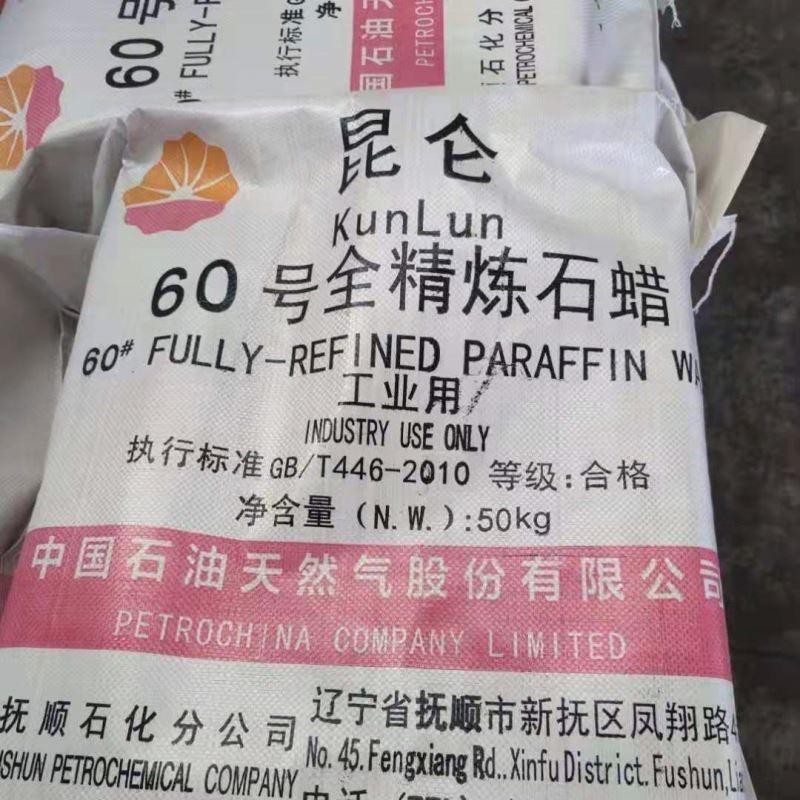
Fully Refined Paraffin Wax:The best grade and goes through the purification process (hydrotreating, clay treatment and repeated filtrations etc) to obtain the purity of 99.9% or more. It is white, odorless and contains oil 0.5% (usually as low as 0.1%). Best in premium candles, beauty products, food wrappings, and in the medical industry where purity and consistency are of great importance.
How Paraffin Wax Is Produced
Paraffin wax production process is closely related to the process of refining petroleum and consists of four major steps:
Distillation: In a tower, crude oil is heated to be separated into fractions (gasoline, diesel, lubricating oil base stocks). The wavy-heavy fractions (known as waxy distillates) are taken to undergo further processing.
Dewaxing: The waxy distillates are cooled and this makes the wax crystals grow. Solvents (solvent dewaxing) or mechanical filters (pressure dewaxing) are used to separate these crystals to obtain so-called slack wax - a mixture of oil and wax.
Deoiling: Slack wax is subjected to remove any additional oil, normally through solvent extraction or fractional crystallization. Oil content is determined depending on the target grade (crude, semi-refined or fully refined).
Refinement: In the case of fully refined wax, further processes such as hydrotreatment (to remove sulfur and nitrogen compounds) and clay treatment (to bleach color and get rid of odors) are undertaken to obtain maximum purity. Finally the end product is hardened and made into blocks or pellets and distributed.
Applicable Uses of Paraffin Wax in Major Applications.
The range of uses of paraffin wax is so widespread that it is a commodity in a variety of industries, both in the consumer product category and in industrial operations:
Candle Making: The most popular application. Preferred are fully and semi-refined grades, which are easily customized (dyes and fragrances combine easily), and hold shapes, including tealights, jar candles, pillars and decorative effects.
Packaging and Food Industry: Food packaging (e.g. wrappers of cheeses, candy coatings) as a moisture barrier to prevent food spoilage. It is also applied to fruits and vegetables (such as apples, oranges) to increase their shelf life by decreasing the loss of water.
Cosmetics & Personal Care: Included on lips balms, lotions, creams and candles due to its emollient (moisturizing) effects. It creates a coating on the skin, sealing the moisture without congesting pores.
Industrial Applications: Industrial greases: lubricant to metal machinery, corrosion inhibitor on metal surfaces (e.g. tools, pipes), mold release agent in plastic and rubber production. It is also employed in asphalt in order to enhance flexibility and durability.
Medical Pharmaceutical: It is utilized in topical ointments and creams to apply active ingredients (pain relievers, antifungals) and provide protection to the irritated skin. It is also used in medical equipment such as casts and wound dressing due to its non-toxicity and hypoallergenicity.
Textiles & Leather: Coated on cloth (e.g., canvas, denim) to make it waterproof and tough. It also preserves leather products (shoes, bags), making them not to crack and dry.
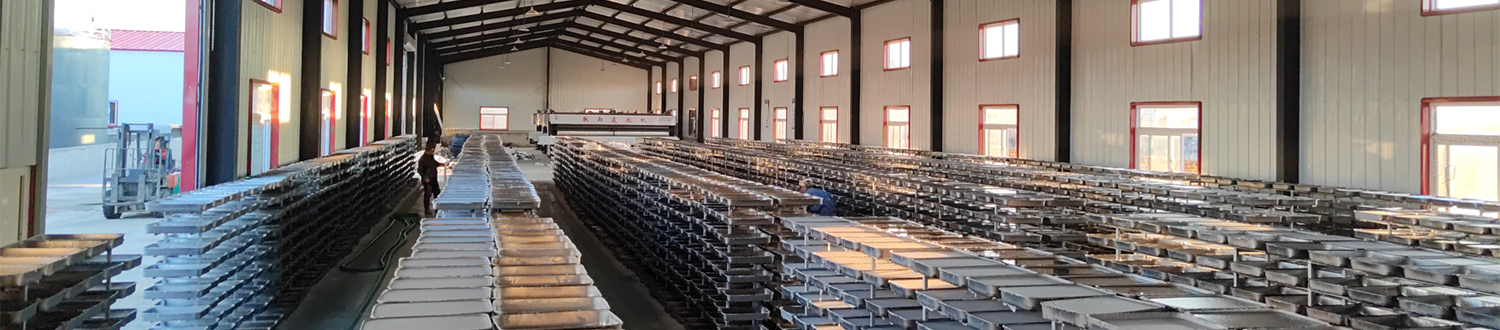
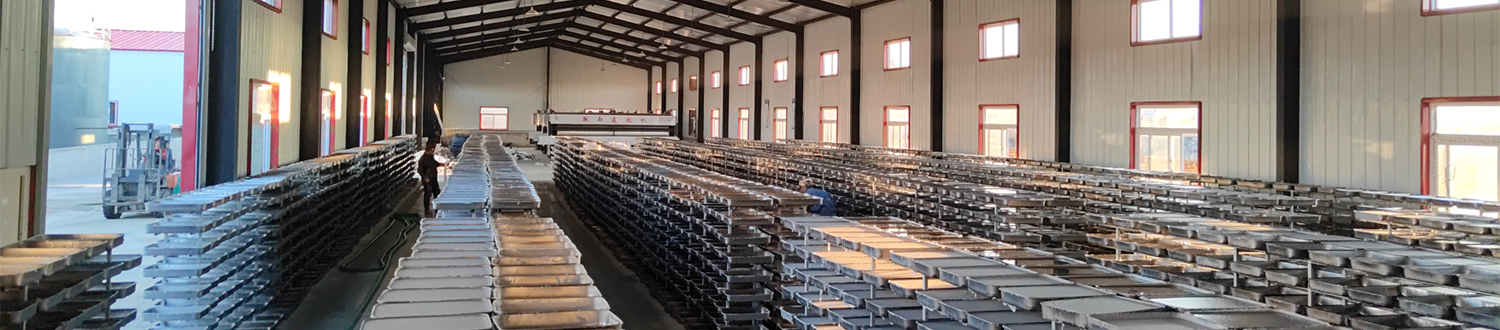
Junda Wax, based in Fushun City, Liaoning Province, China—adjacent to the "cradle" of China's oil refining industry- Fushun Petrochemical Company. Junda wax dedicate to the wax industry since established in 2000. With over 25 years of expertise, we focus on delivering exceptional range of high-quality paraffin wax, candles, and related products.
Our mission is to empower our clients by providing premium-quality products that achieve win-win and innovation. We measure our achievements by the value we add to every customer’s project.
Situated in the heart of China's petrochemical hub, we maintain a stable and efficient supply chain to ensure long-term, uninterrupted delivery.
With a deep understanding of client needs, we specialize in delivering tailored wax solutions to meet unique business demands.
Trusted by thousands of customers across 100+ countries, we have successfully delivered over 50,000 tons of paraffin wax worldwide.
Junda is dedicated to offering exceptional service and competitive pricing, we are pursuing long-term partnerships built on shared values and mutual success.