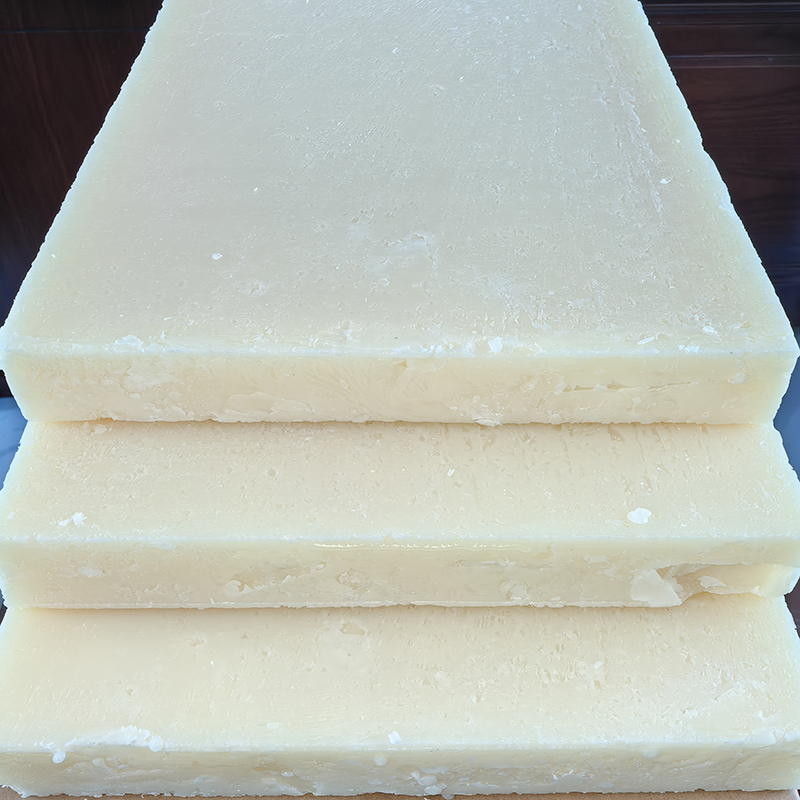
Traditional paraffin wax often suffers from insufficient flexibility, poor crack resistance, and brittleness at low temperatures, leading to cracking, detachment, or seal failure during use.
Junda wax's microcrystalline wax 80# is produced using a deep refining process, achieving a measured melting point of 78.2℃, a penetration as low as 25 dmm, and an oil content controlled at 2.40%, maintaining stable performance even in complex application environments.
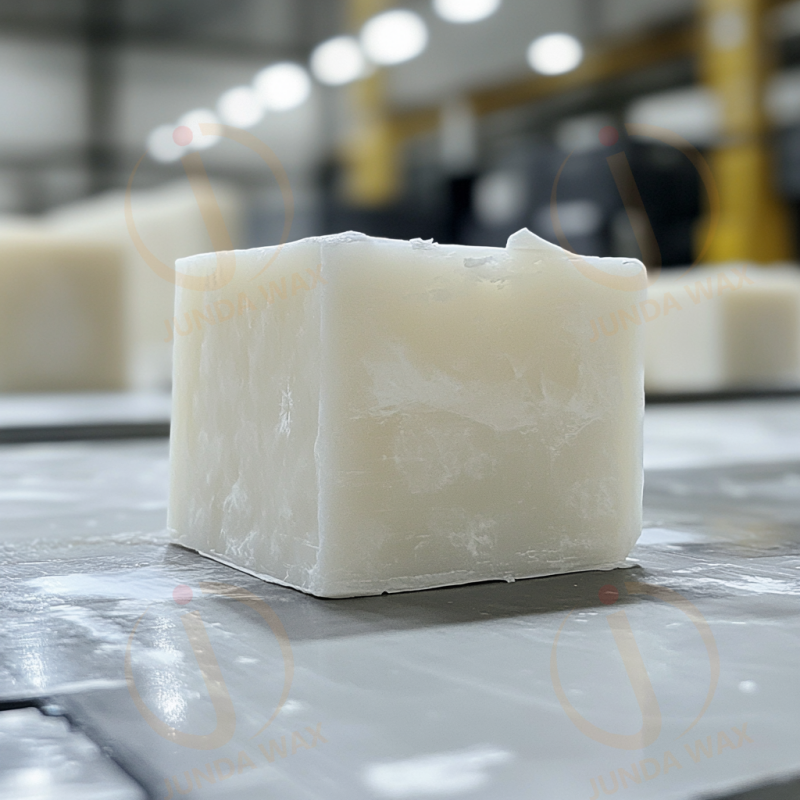
Junda wax's microcrystalline wax 80# is a light yellow to white solid with a stable chemical structure and good processing adaptability. Its melting point ranges from 77 to 82°C, with a measured value of 78.2°C. It also features low penetration and good lubrication properties, enabling it to play a stable modifying role in various industrial systems.
Item | Quality standard | Results | Test method |
Melting point | 77- <82 | 78.2 | GB/T 8026-2023 |
Needle penetration | Report | 53 | GB/T 4985-2021 |
Needle penetration | 30 | 25 | GB/T 4985-2021 |
oil content | 3.0 | 2.40 | SH/T 0638-1996 |
Color ≤ | 1.0 | 0.5 | GB/T 6540-86(Confirmed in |
Kinematic viscosity (100℃) | 10 | 16.35 | GB/T 265-1988(2004) |
C60and below Total n-alkanes | Report | 12.48 | NB/SH/T 0013 |
C60and below Total non- | Report | 87.52 | NB/SH/T 0013 |
Water-soluble acid or alkali | / | / | NB/SH/T 0407-2013 |
The most significant feature of Junda Wax's microcrystalline wax pellet 80# is its superior flexibility resulting from its high molecular weight and fine crystalline structure. Compared to ordinary paraffin wax, microcrystalline wax maintains better elasticity and adhesion under low temperature and high stress conditions, thus significantly improving the crack resistance and durability of end products.
Furthermore, its good lubricity and stable adhesion properties make it play an important role in rubber processing, hot melt adhesive systems, and cosmetic formulations. Meanwhile, its low color value (0.5) ensures stable appearance in high-end applications.
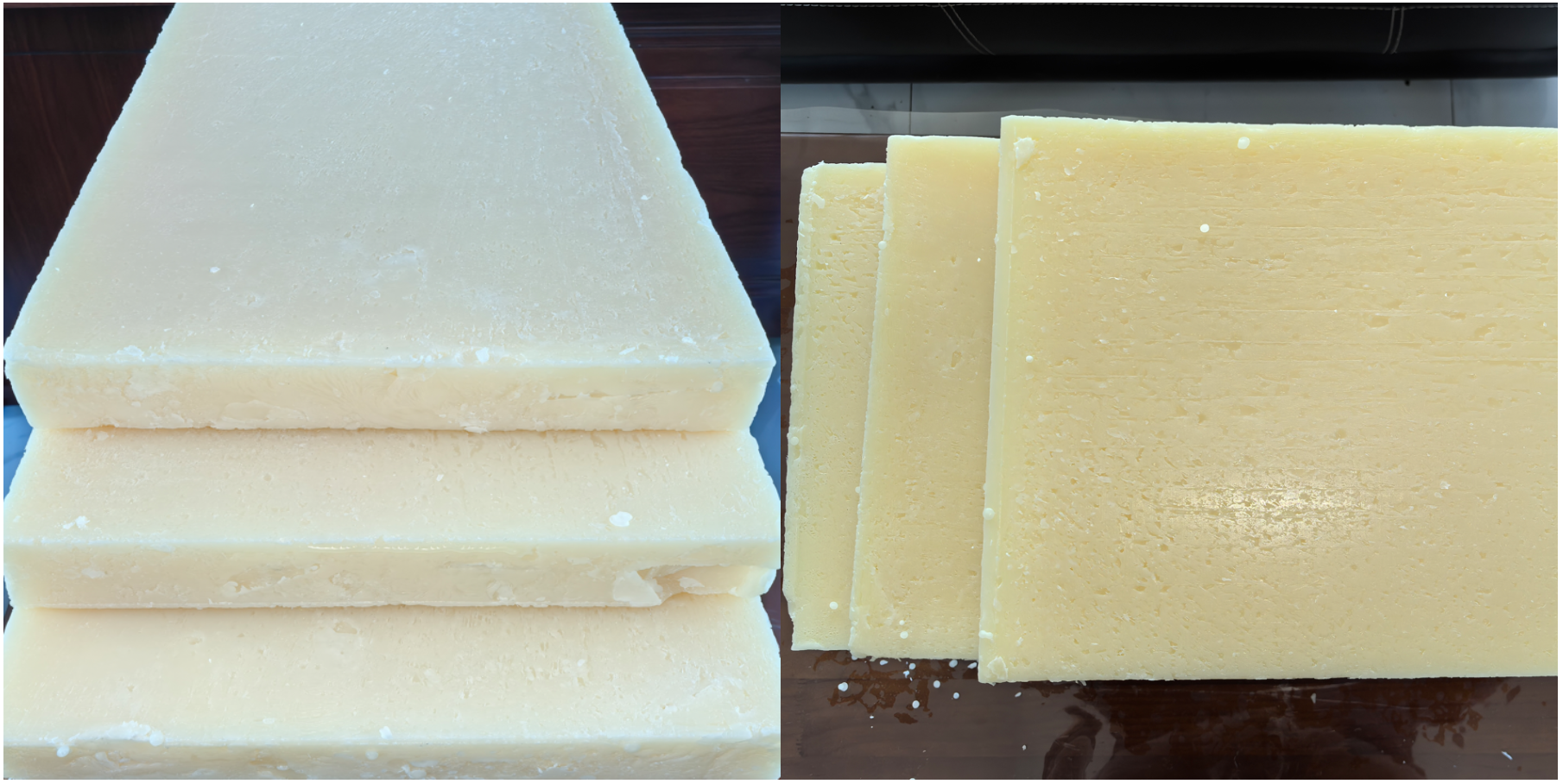
Junda's microcrystalline wax pellet 80# is widely used in multiple industrial sectors. In the rubber industry, it serves as a softener and processing aid, improving the flexibility and anti-aging properties of rubber products. In the hot melt adhesive industry, microcrystalline wax improves bond strength and heat resistance, allowing products to maintain good performance even at high temperatures.
In the cosmetics industry, microcrystalline wax pellets are commonly used in cream, skincare, and lipstick formulations, providing excellent structural support and film-forming properties. In addition, microcrystalline wax is widely used in waterproofing materials, sealants, and packaging materials to improve their sealing and weather resistance.
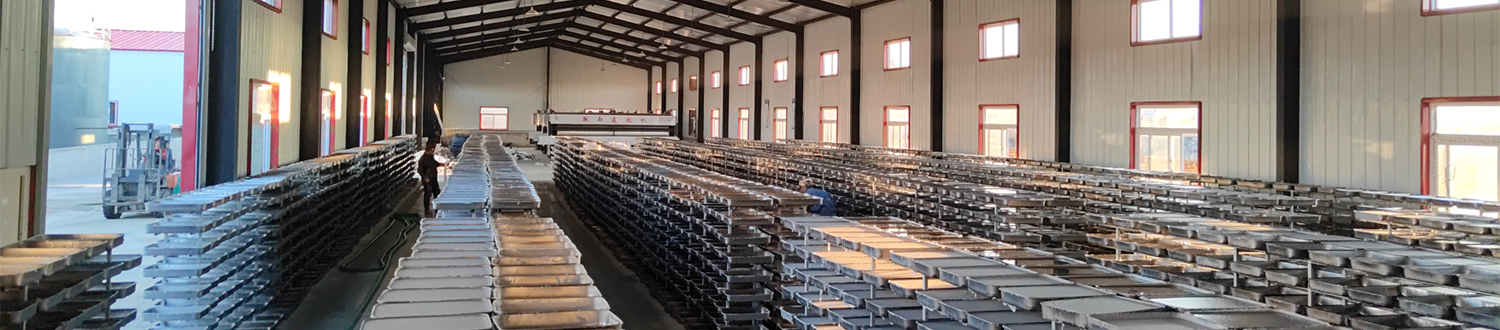
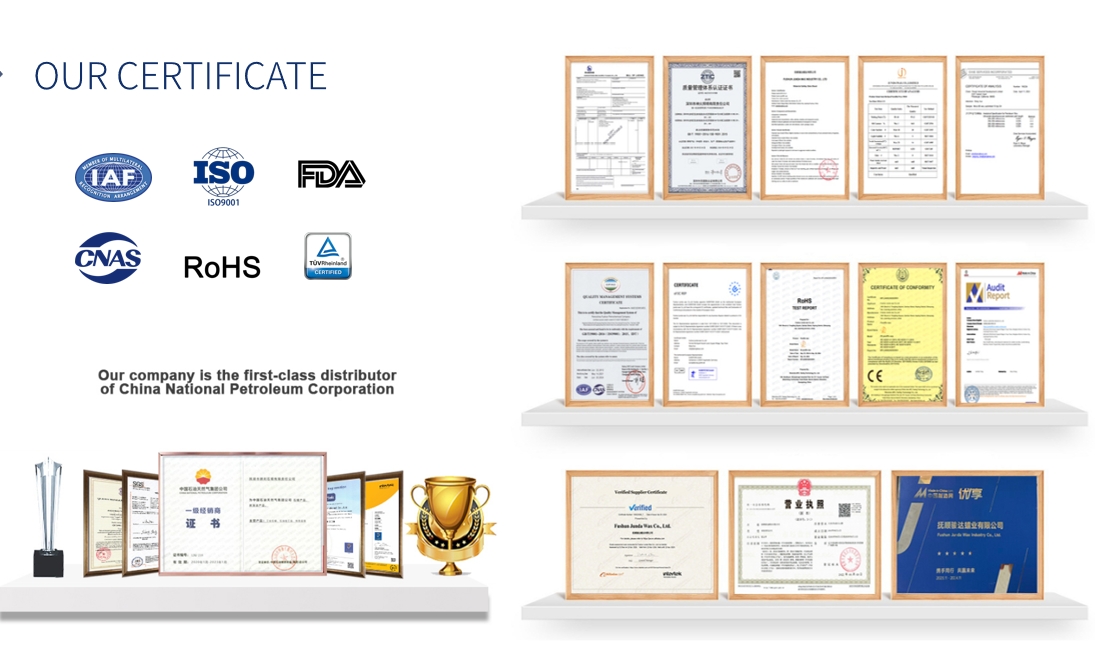
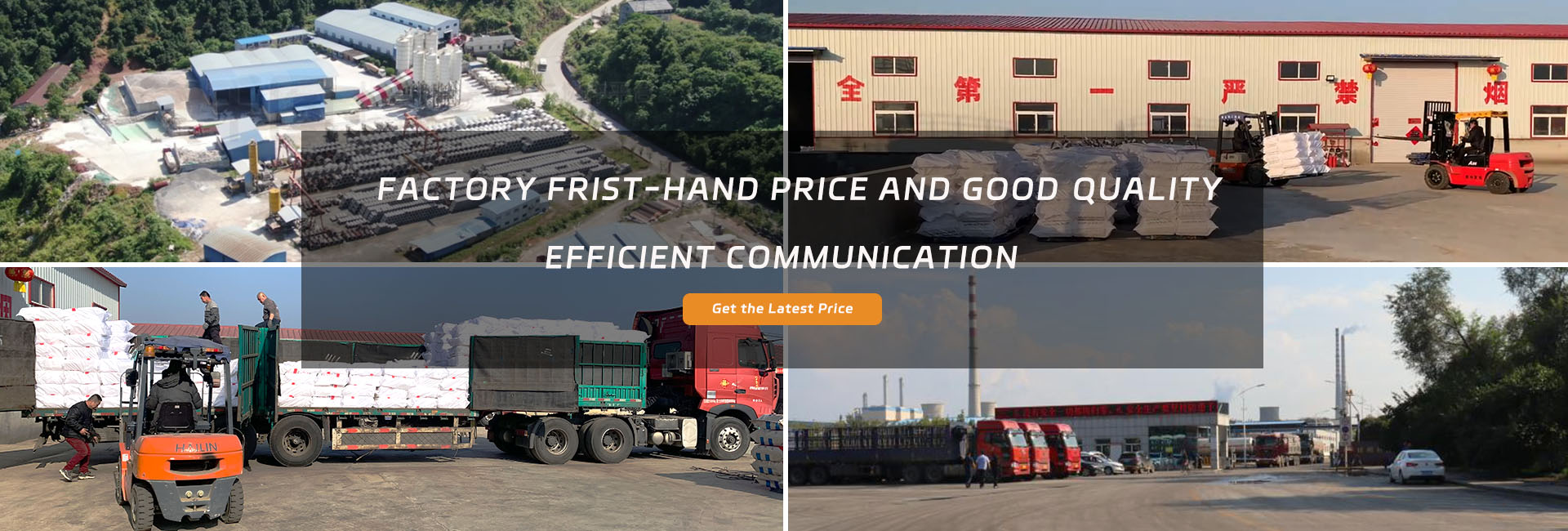
Junda Wax, established in 2000, focuses on the R&D and export of various industrial wax products. It boasts a 10,000-square-meter modern production base and a comprehensive quality management system. The company's products are exported to over 50 countries and regions worldwide, serving more than 300 international clients. With an annual export volume exceeding 30,000 tons, the company possesses stable large-scale supply capabilities to meet the long-term procurement needs of global customers. Whether for trial orders or long-term cooperative orders, stable supply and consistent quality assurance are guaranteed.

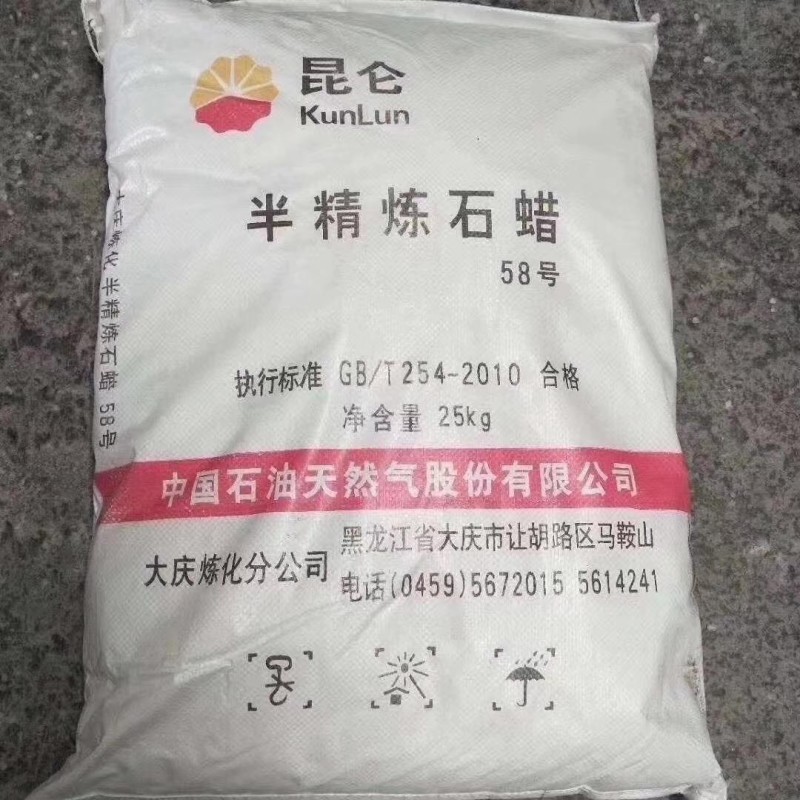
Each batch of microcrystalline wax pellet 80# undergoes rigorous testing before leaving the factory, including key indicators such as melting point, penetration, oil content, color, and viscosity. All tests are conducted in accordance with national and industry standards, and the test data is fully recorded. A Certificate of Analysis (COA) is provided for each batch of white microcrystalline wax, enabling batch traceability management. TDS (Total Distributed Data Sheet) and MSDS (Material Safety Data Sheet) are also available to meet the needs of international trade and customer factory audits. Packaging and Logistics: White microcrystalline wax is packaged in 25kg woven bags or cartons. Ton bags and pallet packaging solutions are also available upon request. The packaging offers excellent moisture protection and pressure resistance, suitable for long-haul sea freight and warehousing environments. A 20-foot container can hold approximately 20–22 tons, and a 40-foot container can hold approximately 26–28 tons. The standard order delivery time is 7–15 days, and sample orders can be shipped within 3–5 days.
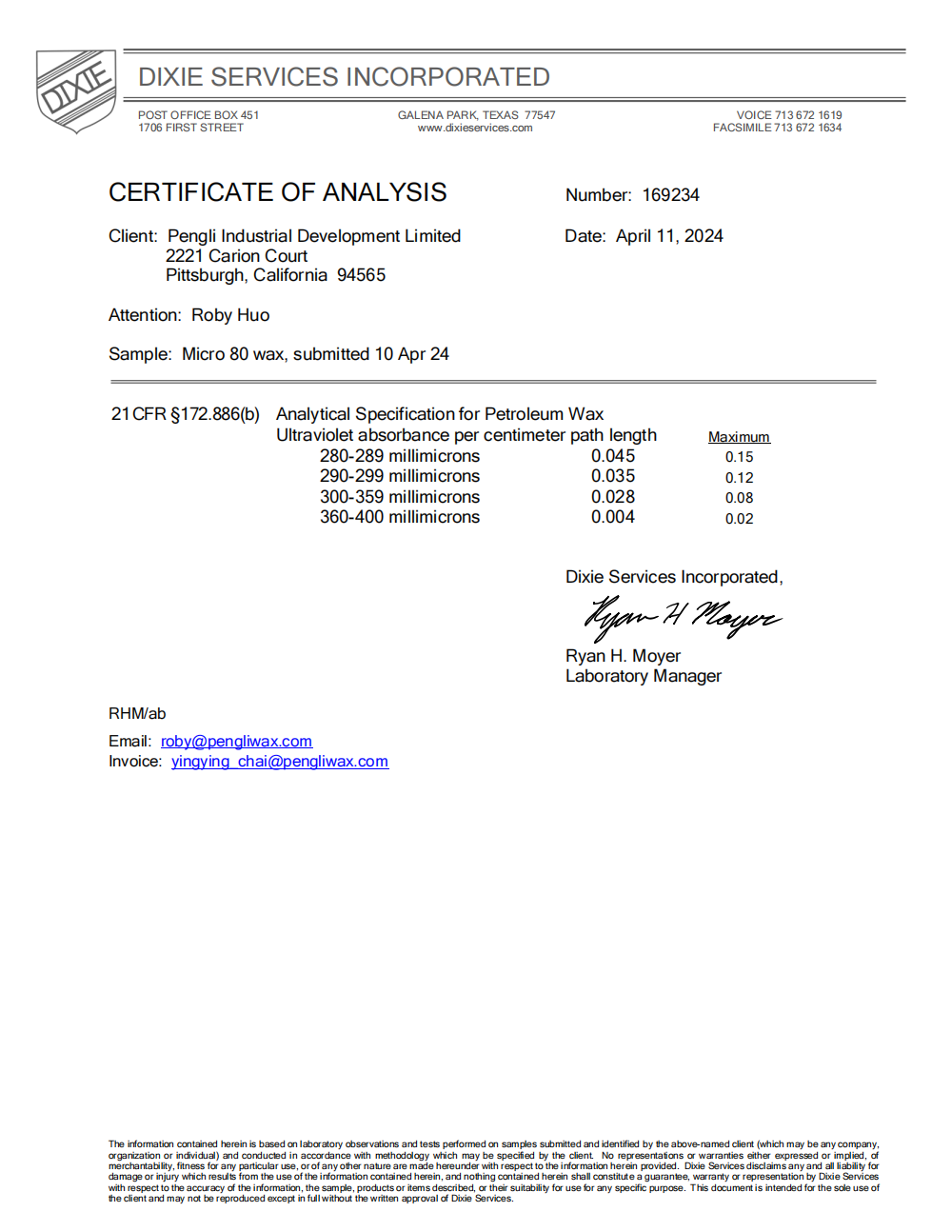
Junda Wax provides comprehensive after-sales support, including product application guidance, technical consultation, and sample testing services. For long-term partners, a stable supply plan and customized technical support are available.
If customers have any questions about product quality, the company will respond and handle the issue quickly based on COA testing data, ensuring the safety of customer procurement and the stability of product use.
FOB: 30% prepayment, 70% payment before shipment
CFR/CIF: 30% prepayment, 70% payment within 7 days of seeing copy of bill of lading
Letter of Credit (L/C): Payment at sight
Long-term cooperative clients can apply for: 60-day payment period after shipment (subject to review)
1. In which industries is microcrystalline wax bulk 80# mainly used?
Microcrystalline wax bulk is mainly used in the rubber, hot melt adhesive, cosmetics, sealing materials, waterproofing materials, and packaging industries to improve flexibility and adhesion.
2. What is the difference between microcrystalline wax bulk 80# and ordinary paraffin wax?
Microcrystalline wax bulk has a higher molecular weight and finer crystalline structure, resulting in significantly better flexibility, crack resistance, and adhesion than ordinary paraffin wax.
3. What is the minimum order quantity (MOQ) for microcrystalline wax for candles?
The MOQ for microcrystalline wax for candles is 1 ton. Sample testing and small-batch trial orders are supported.
4. Can you provide test reports?
Yes, a Certificate of Account (COA) can be provided for each shipment, along with technical documents such as TDS and MSDS.
5. What is the typical delivery time?
Standard orders take 7-15 days to deliver, depending on order quantity and production schedule.
6. What are the packaging options?
Standard packaging is 25kg woven bags or cartons. Ton bags or pallets are also available.
7. Do you support long-term stable supply?
Yes, with an annual production and export volume exceeding 30,000 tons, we can guarantee a long-term stable supply.