
Paraffin wax is mainly transported by ocean shipping, with long distances and long cycles. The environmental conditions inside the containers are often more demanding than expected. Especially in summer, the internal temperature of the containers may rise above 60℃, which poses a considerable challenge to the packaging integrity and quality stability of the paraffin wax products. Many export enterprises have encountered such problems: the wax body softens and deforms, the packaging gets damp and is damaged, the products stick together and form lumps. After arrival at the port, the customers refuse to accept or claim compensation, resulting in not only losses of freight but also damage to their reputation. How to effectively reduce transportation losses during the export process of paraffin wax is a topic that every exporter needs to seriously consider.
I. Packaging Design: The First Line of Defense
Packaging is the most direct means of protecting paraffin wax from the effects of transportation conditions. Fully refined paraffin wax has a low oil content and high purity, and thus has higher requirements for the sealing and moisture-proof properties of the packaging. During long-distance sea transportation, the humidity inside the container is relatively high. If the packaging's moisture-proof and pressure-resistant performance is insufficient, the bottom goods are prone to deformation due to weight-bearing. When the cardboard box gets damp, its strength will further deteriorate, exacerbating the problem.
To address this issue, there are already mature practical experiences within the industry. In response to the specific demands of the American market for 25-kilogram small-packaged high-hygroscopic paraffin wax, we independently conducted research and development to modify the packaging line, redesigning the size and sealing method of the packaging bags. Among them, the "short-side sealing" technology significantly enhanced the hygroscopic protection performance, especially suitable for long-distance shipping and rainy and humid environments. This case demonstrates that by flexibly adjusting packaging details according to the climatic characteristics of the destination and transportation conditions, it is possible to effectively reduce losses during transportation.
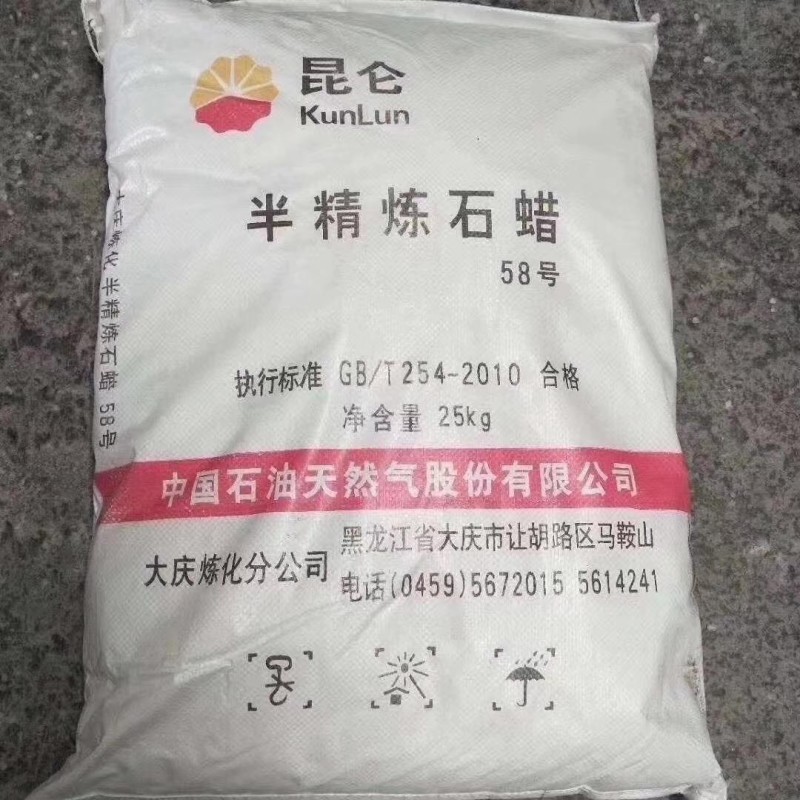
In actual export operations, fully refined paraffin wax is usually packed in plastic woven bags. Sunlight exposure should be avoided to prevent the bags from aging and deteriorating. For export markets with hot climates, thicker woven bags or reinforced cardboard boxes can be used. In necessary cases, additional moisture-proof measures can be added inside.
II. Temperature Control: Continuous Monitoring
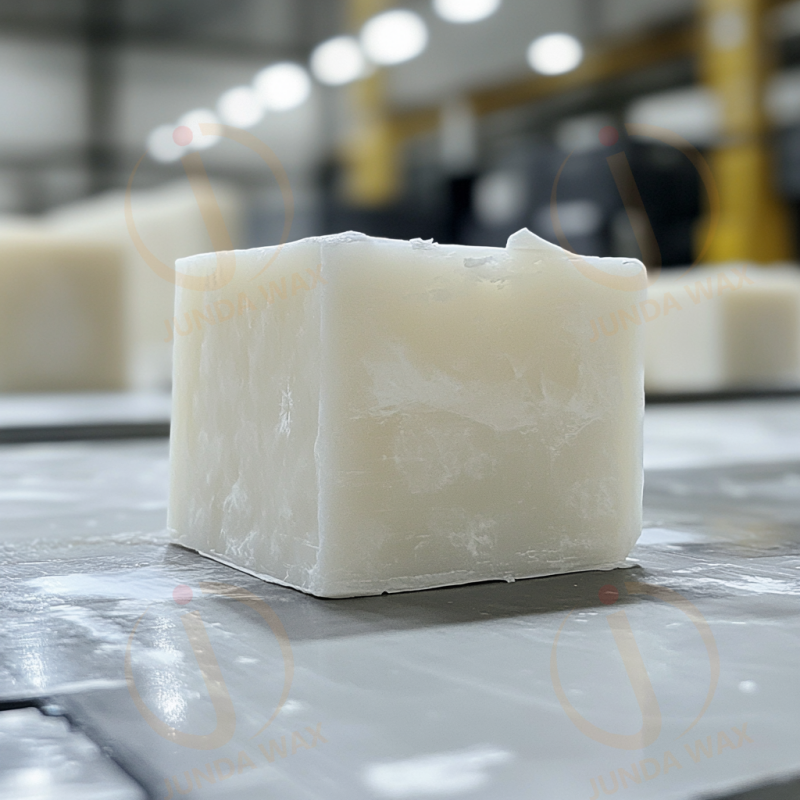
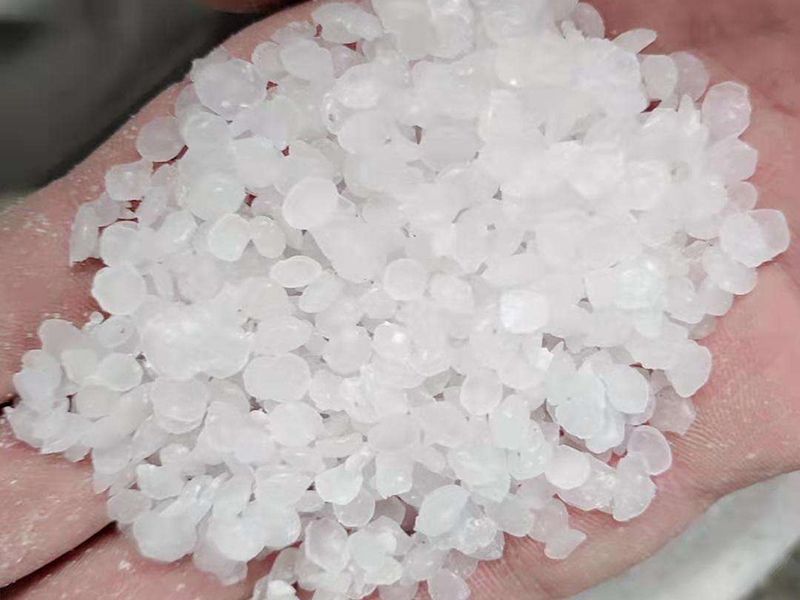
Paraffin wax is extremely sensitive to temperature changes. High temperatures are the main cause of transportation loss. The melting point range of fully refined paraffin wax is usually between 54℃ and 66℃, and different grades have different temperature resistance capabilities. When the temperature inside the container approaches or exceeds the softening point of the wax, the product may experience deformation, adhesion and other problems.
In practical operations, for hot seasons or hot destinations, the following measures can be adopted: When discharging, the shipping company is required to place the containers carrying paraffin below the ship's waterline, using the seawater temperature to lower the temperature inside the containers. When the weather is hot, some exporters also choose to transport using refrigerated containers. Additionally, depending on the destination and transportation season, recommended appropriate melting point grades are recommended. For example, when exporting to hot regions such as the Middle East, it is advisable to use fully refined paraffin with a higher melting point, as its structural stability is stronger at high temperatures.
III. Handling and Palletizing: Details Matter
Physical damage is also an important component of transportation losses. Impact and dragging during the loading and unloading process, as well as improper stacking within the container, can all cause packaging damage or product damage. The number of stacking layers must be strictly controlled to avoid deformation of the bottom goods under pressure; using pallets and corner guards as auxiliary materials can effectively distribute pressure and protect the integrity of the packaging. During handling, avoid violent impacts and throws to ensure the goods are loaded smoothly.
Junda Wax: Ensuring Export Quality from the Source
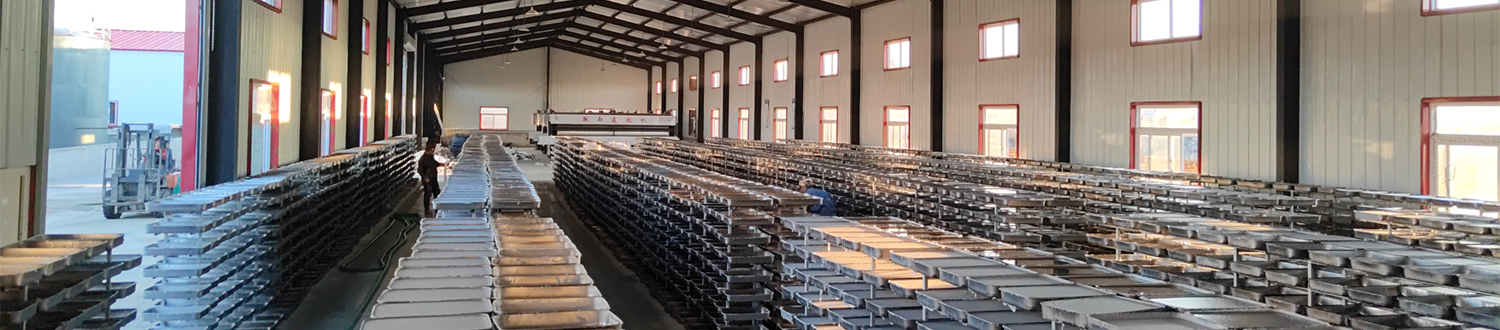
Reducing transportation losses and choosing the right suppliers are the first crucial steps. Junda Wax has been deeply involved in the paraffin wax industry for over 20 years. Founded in 2000, it is located in Fushun, Liaoning Province - the largest paraffin wax production area in China, where approximately 40% of the country's paraffin wax is produced. The company has a modern factory area of 20,000 square meters, equipped with advanced paraffin wax granulation and plate-making equipment, with an annual production capacity of several thousand tons.
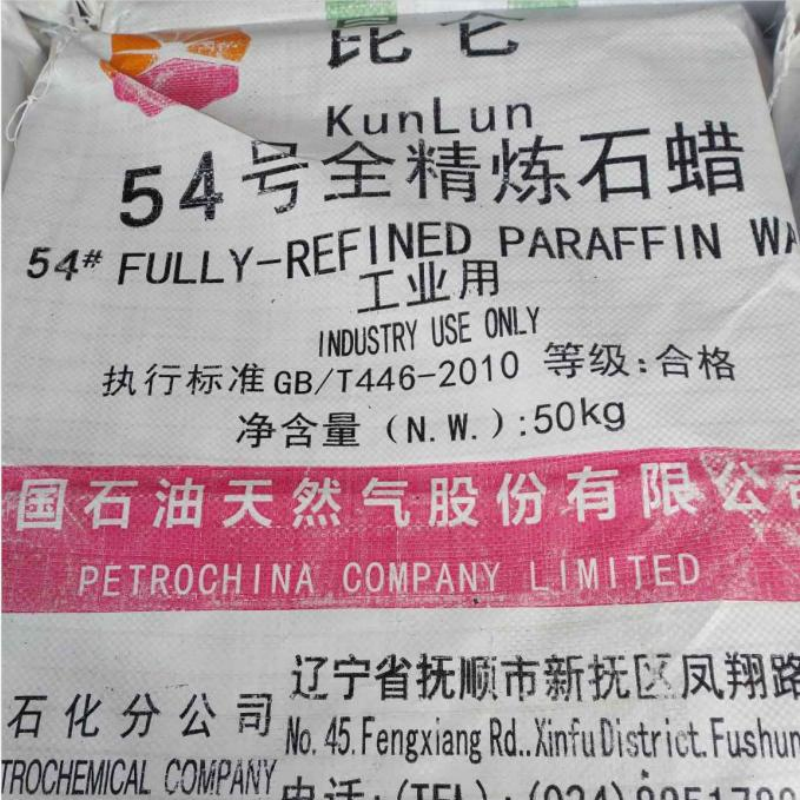
As an authorized distributor of PetroChina's "Kunlun" brand paraffin wax, Junda Wax offers a full range of refined and semi-refined paraffin waxes from 52# to 64#, with a wide variety of models and stable quality. The self-owned brand "Junda" wax is exported to 50+ countries and regions including South Korea, Southeast Asia, Africa, and Latin America. The company's products have obtained multiple international certifications such as CE, ROHS, Intertek, and FDA, ensuring quality.
In response to the specific requirements of export transportation, Junda Wax has accumulated rich practical experience. We provide adaptive packaging solutions for export markets with different climatic conditions, such as tropical-specific packaging for the high-temperature and high-humidity market, which has been recognized by customers in actual exports. After visiting the factory, the delegation from Mexico highly praised the production process and quality control, and confirmed a long-term cooperation of 100 tons. Previously, the Cuban customer also signed a long-term supply agreement of 800 tons per year.
The transportation loss problem of paraffin wax stems from insufficient anticipation of the transportation environment and inadequate packaging details. From packaging design, temperature monitoring to loading and unloading operations, each step requires corresponding adjustments based on the climate of the destination, transportation duration, and product specifications. Choosing the right method can prevent many losses in advance. If you have any questions regarding paraffin wax selection or export transportation, please feel free to communicate at any time. We sincerely invite you to visit the Fushun factory for a site visit, where you can learn about the production process and quality control system in person and have face-to-face communication, which will surely bring you more benefits.
