
Uneven Burning Is One of the Most Common Quality Problems in Candle Factories
Uneven burning is a problem encountered by almost every factory during candle production. Common manifestations include a tunnel effect where the candle burns only in the middle, inconsistent flame size, one side burning significantly faster than the other, or the wax pool not completely covering the candle surface. These problems not only affect the consumer experience but also reduce the actual utilization rate of the candle, leading to customer complaints and even damaging the brand reputation. Many manufacturers believe that uneven burning is only a wick problem, but in reality, it is the result of the combined effects of paraffin wax, the wick, the production process, and environmental factors. Only through systematic optimization from raw material selection to production control can burning performance be truly improved. As a supplier serving global candle manufacturers for a long time, Junda Wax has accumulated extensive practical experience in burning optimization through cooperation with clients in Europe, America, South America, the Middle East, and Southeast Asia.
Parffin Wax Quality Is the Foundation of Burning Performance
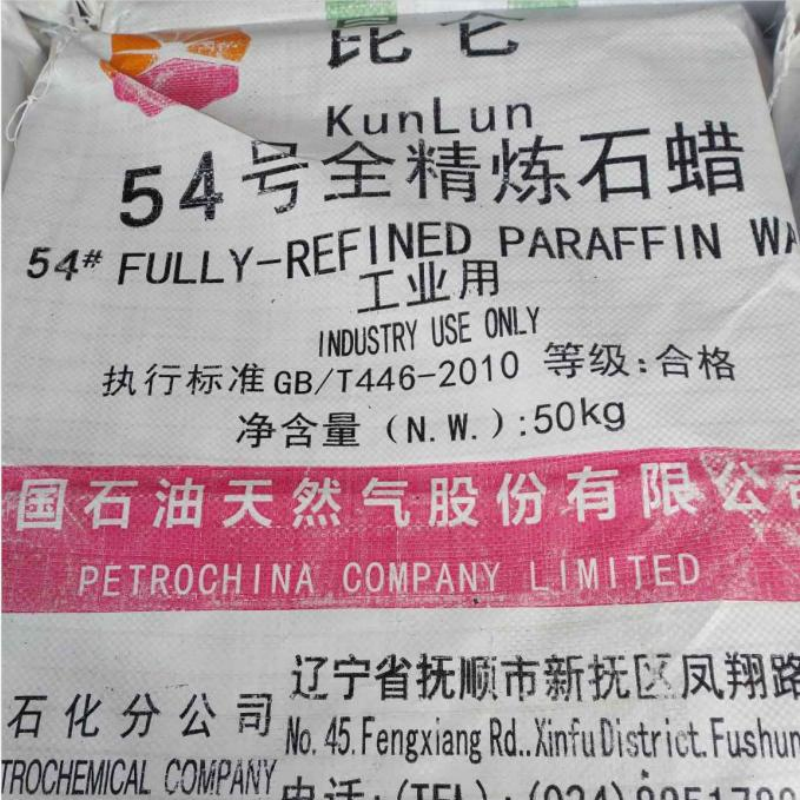
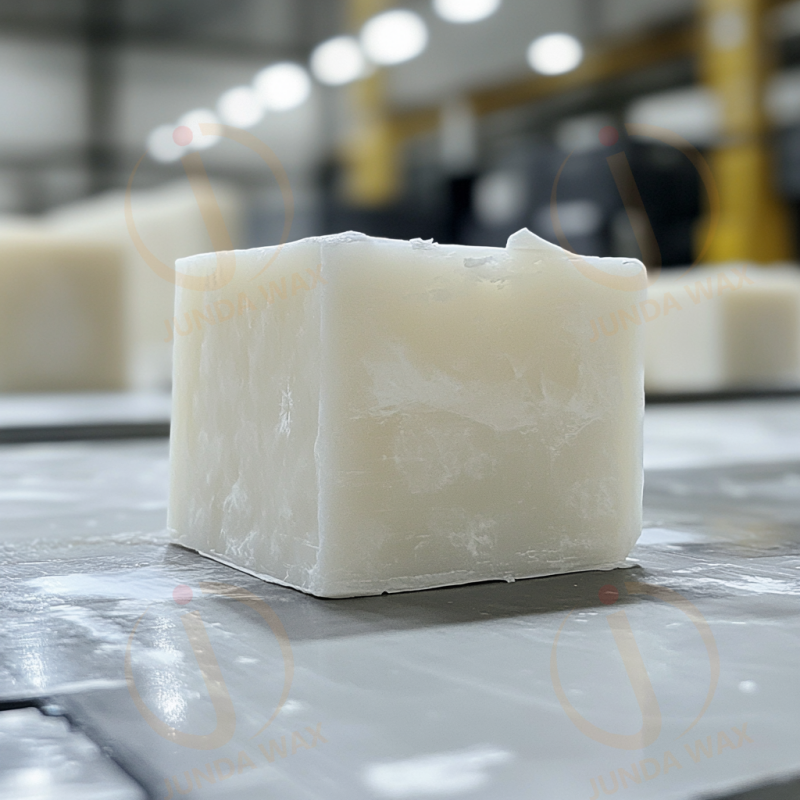
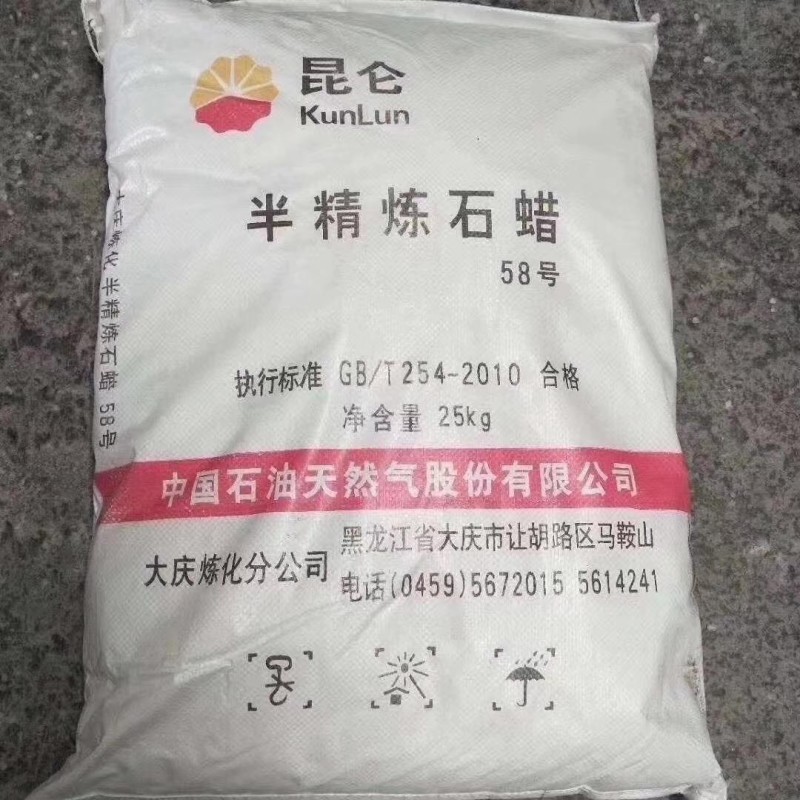
Many burning problems actually stem from the paraffin wax itself. If the paraffin wax purity is insufficient, the oil content fluctuates greatly, or the crystal structure is unstable between different batches, it can easily lead to inconsistent burning speeds. High-quality, fully refined paraffin wax, due to its low impurity content and uniform crystal structure, results in a more stable flame and a more even wax pool. Conversely, some low-quality paraffin waxes may exhibit uneven melting rates in certain areas during combustion, leading to uneven burning. For column candles, religious candles, and glass candles, selecting the appropriate Candle Grade Paraffin Wax is crucial for improving combustion performance. Junda Wax offers a variety of fully refined paraffin waxes in 56℃, 58℃, 60℃, and 62℃ specifications, and can recommend suitable solutions based on the customer's product structure and target market to help improve combustion stability.

Incorrect Wick Matching Is the Most Common Cause
In actual production, more than half of uneven burning problems are related to wick selection. If the wick is too thin, the flame will not generate enough heat to form a complete wax pool, easily resulting in typical tunneling combustion; if the wick is too thick, it may lead to an excessively large flame, excessively fast burning speed, or even black smoke. Different wick specifications are required for candles of different diameters, formulations, and fragrance concentrations. Therefore, when developing new products, it is essential to test both paraffin wax and wicks simultaneously, rather than adjusting only one parameter. Junda Wax not only provides high-quality paraffin wax but also offers wax thread matching suggestions based on customer product needs, helping customers shorten testing cycles and improve product development efficiency.
Fragrance and Colorant Also Affect Burning Performance
Many candle factories often overlook the impact of fragrance and colorant when addressing burning issues. In fact, the higher the amount of fragrance added, the more significant the impact on the combustion system. Some fragrances can alter the flowability and burning characteristics of paraffin wax; if added in excessive proportions, it may lead to a smaller flame, incomplete combustion, or slow wax pool formation. Similarly, some colorants can affect the wick's wax absorption capacity, thus altering the burning pattern. Therefore, highly scented candles and dark candles typically require re-matching of wick specifications. Experienced candle factories usually test the combination of paraffin wax, fragrance, and wick simultaneously during the product development phase, rather than evaluating a single material individually.
Filling and Cooling Processes Are Easily Overlooked
Even with a proper combination of paraffin wax and wick, uneven burning can still occur if the production process is not properly controlled. For example, if the wick is not kept vertical, the flame will bend to one side during combustion, resulting in an uneven wax pool. If the cooling rate is too fast, uneven crystallization may form inside the paraffin wax, affecting the melting rate during combustion. For glass candles, filling temperature and cooling environment are particularly important. Many problems not visible on the surface actually create internal structural differences, ultimately manifesting as uneven combustion. Therefore, standardized production processes are crucial for improving product consistency.
Automated Production Helps Improve Combustion Consistency
As the candle industry continues to develop, more and more factories are introducing automated production equipment. Automated equipment can more precisely control filling volume, wick position, and production parameters, thereby reducing human error and improving product consistency. Especially in large-scale production, automated production has a significant advantage in controlling combustion performance. In addition to paraffin wax products, Junda Wax also provides candle production machinery and related solutions to help customers build a more stable and efficient production system, achieving one-stop procurement from raw materials to equipment.
As a kunlun paraffin wax company of Candle Grade Paraffin Wax, Junda Wax not only possesses stable production capabilities for fully refined paraffin wax, but also provides supporting services such as wax threads, coloring powders, and candle production machinery. With extensive international market experience and a comprehensive one-stop supply system, we can help candle factories worldwide improve product quality, optimize production efficiency, and achieve more consistent burning performance.
