

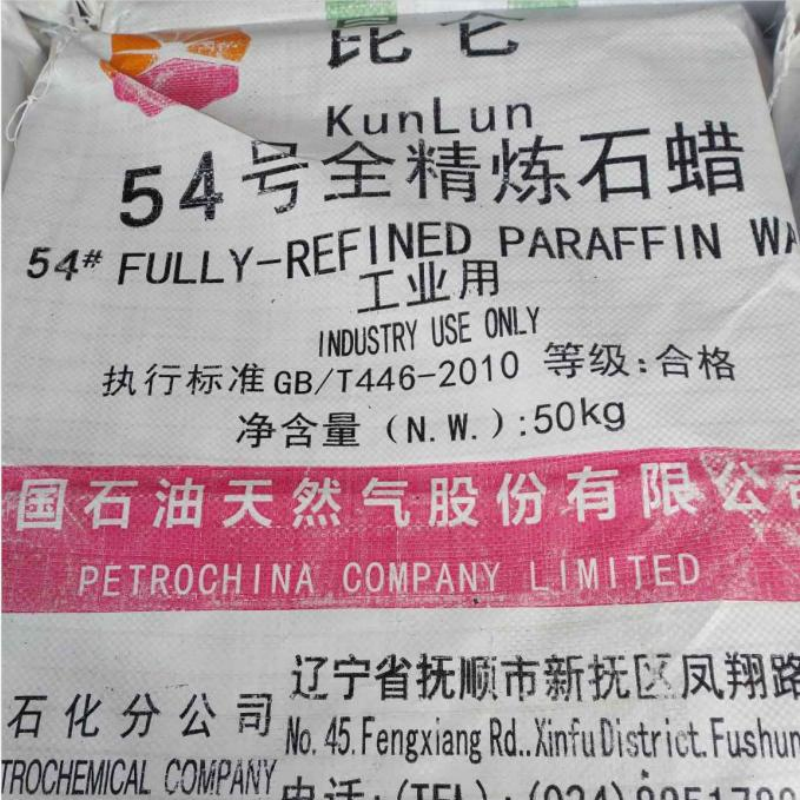
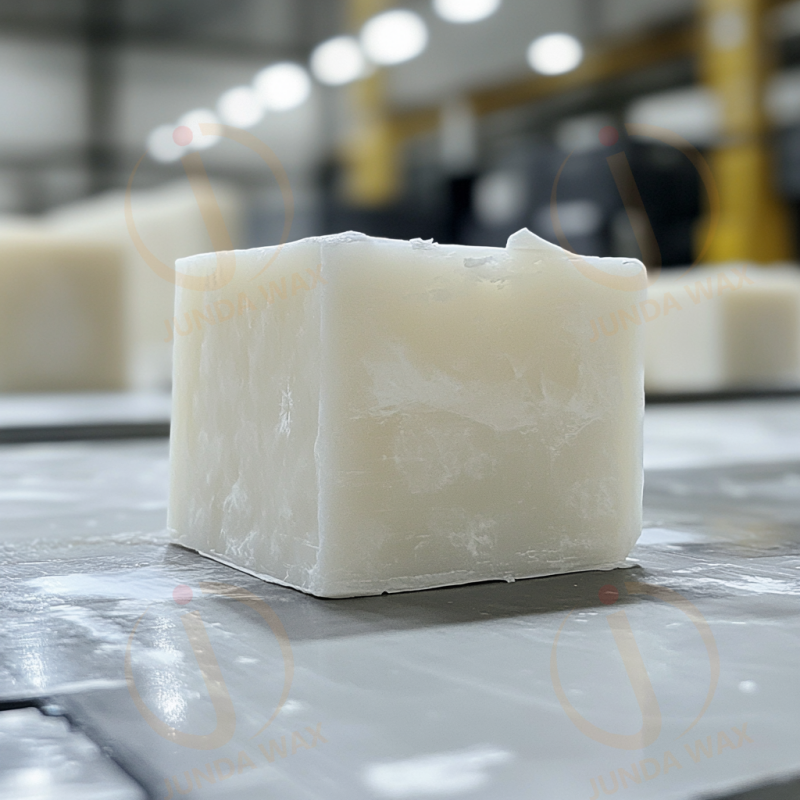
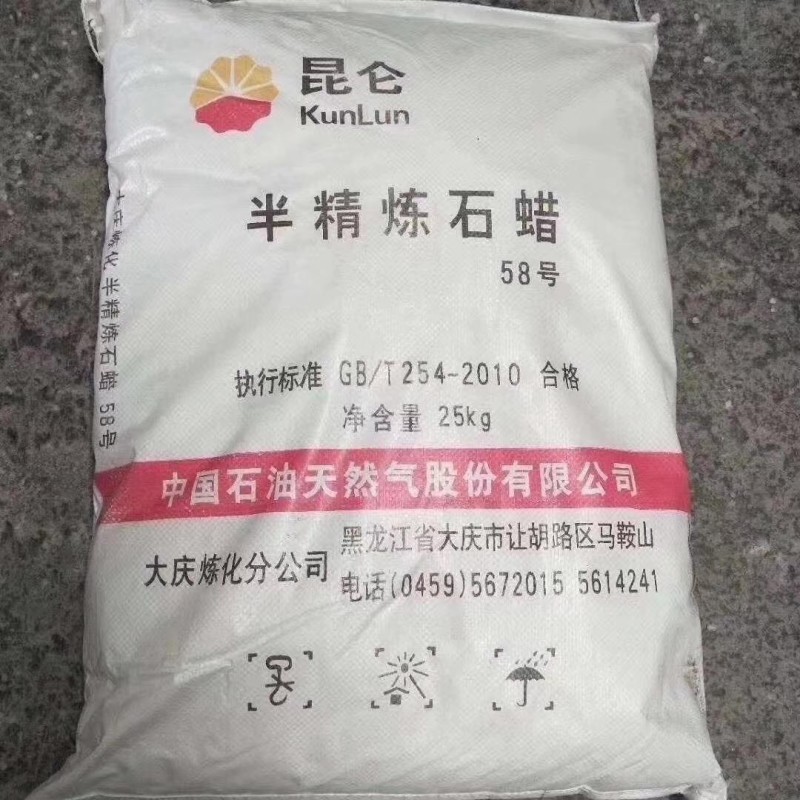
When choosing fully refined paraffin wax, many customers' first reaction is to look at the melting point data. 60℃, 62℃, 64℃—the numbers seem similar, but in actual use, the differences are significant. This leads to the question: Is the melting point test really useful? How reliable is this data? In fact, the melting point test certainly has value, but the key lies in how you understand it and how you determine its accuracy and stability.
The melting point test is not the only standard. The melting point determines the temperature range of paraffin wax's transition from solid to liquid, which directly affects the candle's hardness, shaping effect, and transport stability. For example, making columnar wax or exporting to high-temperature regions usually requires a relatively high melting point; while for container-type scented wax, an excessively high melting point can actually affect the fragrance release rhythm.
However, the problem is that many customers only look at the nominal melting point, ignoring the differences in testing methods. Different testing standards (such as the dropping point method, closed-cup method, etc.) produce data that inherently differ. Without standardized testing conditions, simply comparing numbers is not very meaningful. Junda Wax conducts stable testing according to established standards before shipment, maintaining consistent testing methods for products of the same specifications to ensure data comparability and continuity.

Data accuracy depends on batch stability.
Some suppliers can provide impressive test reports, but what truly impacts production is batch-to-batch stability. If the first batch is 60℃, and the second batch is 58℃ or 62℃, even if within the range, production parameters require repeated adjustments, affecting efficiency.
A practical method to determine data accuracy is to continuously sample several batches and observe whether the actual test results fluctuate significantly. Factories with substantial production capacity have relatively stable raw material sources and process control, resulting in smaller batch variations. Junda Wax, relying on a mature production system and stable raw material channels, can maintain a consistent melting point range over long-term supply, which is particularly important for export customers.
A normal melting point does not necessarily guarantee good performance.
Many customers find that paraffin waxes with the same melting point exhibit different performance characteristics. This is because the melting point is only one indicator and does not fully represent the internal crystal structure and oil content level. If the oil content is too high, even if the melting point meets the standard, the hardness may still be too soft; if the crystal structure is uneven, surface problems may occur after cooling.
Therefore, from the perspective of selecting paraffin wax, melting point testing should be combined with cooling testing, touch testing, and burning testing, rather than relying on a single indicator. When providing samples to customers, Junda Wax also recommends conducting complete small-batch trial production tests to help customers confirm overall performance, rather than just looking at the parameter table.
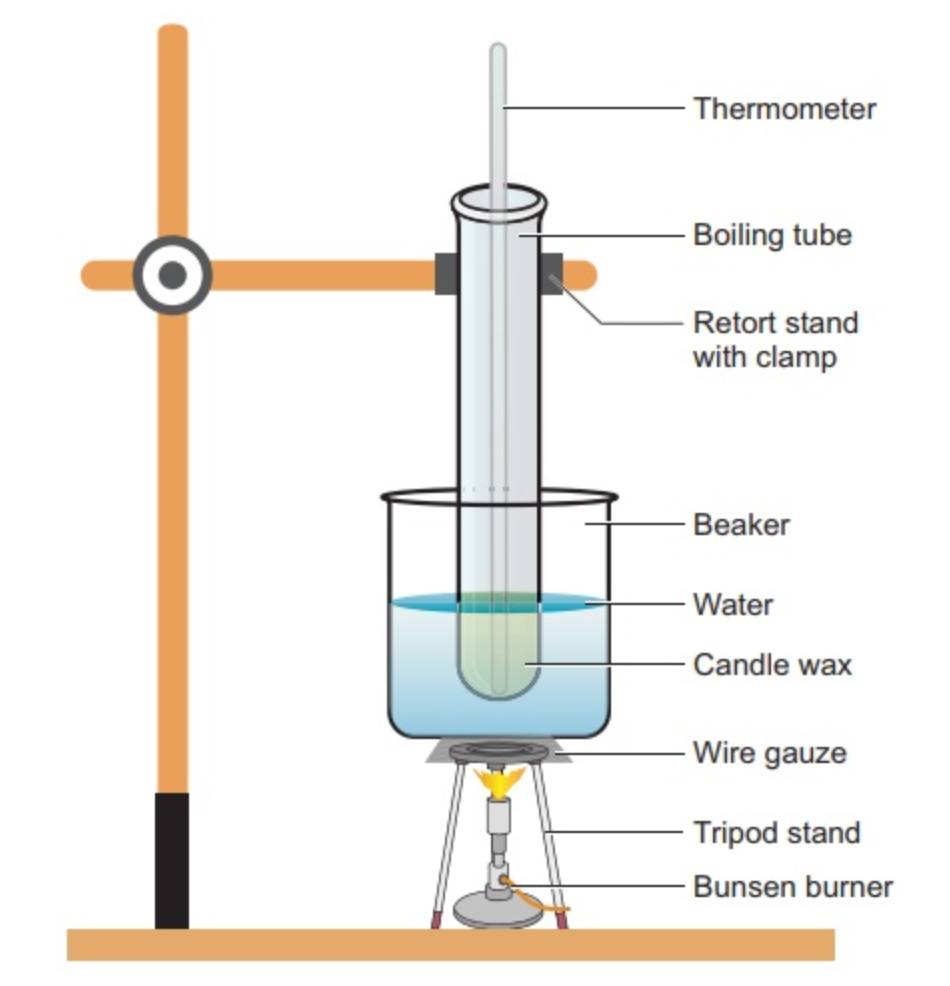
How to verify melting point data?
For simple verification, small-sample tests can be conducted under experimental conditions using standard temperature control equipment. Record the complete melting temperature range and compare it with the data provided by the supplier. It is also important to ensure that the testing environment is consistent, otherwise, ambient temperature will affect the results.
More importantly, consider whether the supplier is willing to provide stable specifications long-term, rather than frequently changing raw material sources to reduce costs. A truly reliable supply system must be supported by continuous production capacity behind the data. Junda Wax has exported fully refined paraffin wax to many countries and regions for many years, and can continuously supply products with different melting point ranges. It also provides wax lines, color powders, and candle production equipment, forming a complete one-stop support system.
While paraffin melting point testing is useful, it's only one dimension for judging quality. What truly matters is whether the testing methods are standardized, whether the batches are consistent, and whether the test is suitable for the actual application. From a material selection perspective, rather than relying solely on a test report, it's better to choose a factory with large-scale production capacity and a long-term, stable supply capability.
If you are evaluating new paraffin suppliers or looking to improve the stability of your existing products, please contact Junda Wax. We can recommend suitable melting point ranges based on your product type and export market requirements, and provide continuous and stable supply support.
