
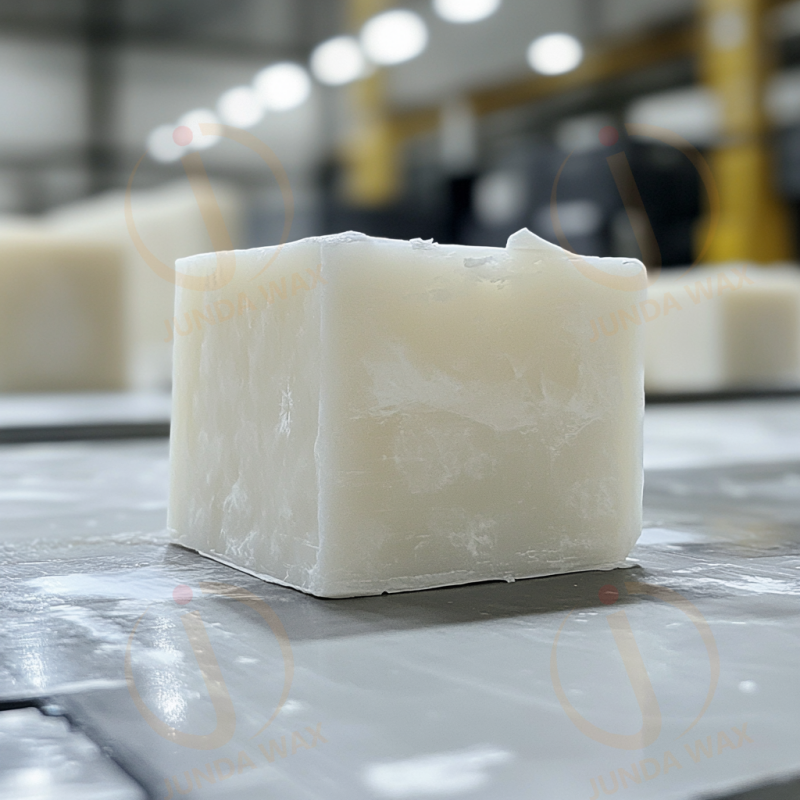
When testing fully refined paraffin wax, the melted wax is poured into a transparent container, and the light transmission effect after cooling is observed. Some paraffin waxes show good transparency after cooling, with a whiter and brighter color; while others appear noticeably grayish, dark, or even slightly hazy. Is this normal? Does graying indicate poor quality? Actually, the difference in transparency often reflects the true state of the paraffin wax's refining depth and internal structure.
1. Insufficient Refining Depth
The core advantage of fully refined paraffin wax lies in its low impurity content and clean color. If decolorization and deoiling are not thorough enough during the refining process, even if the specifications meet the standards, a slight grayish appearance may still appear after cooling. This grayish appearance is not obvious in block form, but it will be magnified in thin-layer tests or when used in white candles. For customers producing high-end white wax, export markets, or scented wax products, this difference directly affects the appearance of the finished product. Junda Wax employs a stable process control system in the refining process to ensure that the paraffin wax has a clean color, a light odor, and a more stable visual appearance.
2. High Oil Content
Oil content is also a significant factor affecting transparency. When the oil content is high, the microcrystalline structure inside the paraffin wax is relatively loose, causing light scattering and making it appear grayish or dark. While this type of paraffin wax may have good flowability during the molding stage, its appearance will be slightly inferior. This grayish appearance is particularly noticeable when making colored waxes or transparent container waxes, affecting the overall texture. Junda Wax strictly differentiates oil content ranges for different product specifications based on their intended use, ensuring a balance between transparency and processing performance.
3. Inhomogeneous Crystalline Structure
Even with similar melting points and oil contents, different paraffin waxes may exhibit differences in their crystalline structure. When the crystal particles are coarse or unevenly distributed, the cooled surface will have a slightly hazy appearance, appearing grayish. Such paraffin wax may also result in an uneven wax pool during combustion. Stable raw material sources and continuous batch control are crucial for maintaining consistent crystalline structures. Junda Wax has maintained a stable raw material system for many years and controls batch fluctuations through large-scale production to ensure consistent long-term supply.
How to Properly Conduct a Transparency Test?
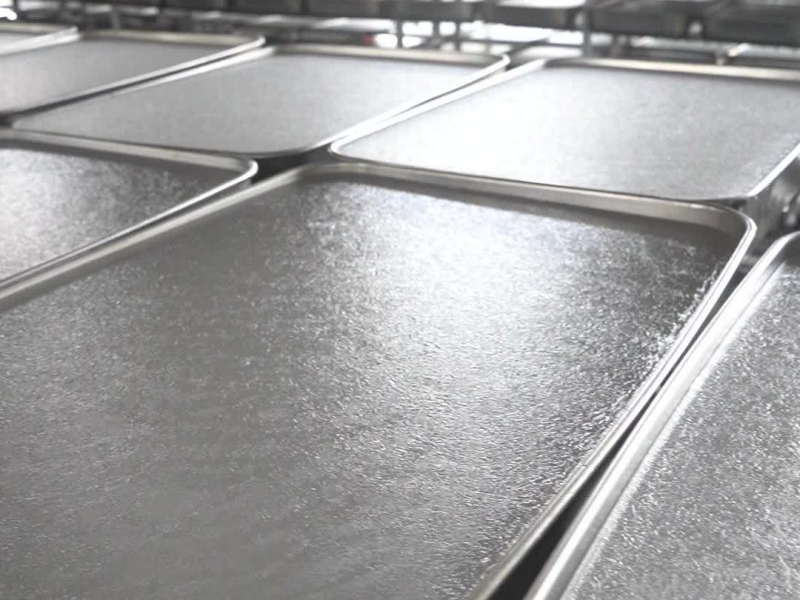
When selecting paraffin wax, it is recommended to completely melt the sample and pour it into a transparent glass or thin-layer mold. After it cools naturally, observe its translucency and color. Compare different samples under the same lighting conditions. Do not only look at the surface color of the block, as variations in thickness can affect the judgment. Truly refined paraffin wax suitable for high-end candle products should appear relatively clean white or slightly transparent in a thin layer, not dull or grayish. We also recommend this method when providing samples to customers, as it makes it easier to see differences.
The transparency test actually verifies the refining quality and internal structural stability. Many paraffin waxes have similar parameters, but their actual visual appearance can differ significantly. For customers requiring stable exports, batch consistency is more important than a single low price. Junda Wax exports fully refined paraffin wax to multiple countries and regions and also provides one-stop supply of wax lines, dyes, and candle production equipment, forming a complete package from raw materials to production support, helping customers reduce the risks associated with repeatedly changing suppliers.
A grayish appearance after paraffin wax cools is not necessarily a serious problem, but it often indicates differences in refining depth, oil content, or crystal structure. From a paraffin wax selection perspective, transparency testing is a simple yet highly effective method. If you are looking for a more stable, fully refined paraffin wax supplier better suited for the export market, please contact Junda Wax. We can provide more tailored specification recommendations based on your product type and market positioning, and guarantee continuous and stable supply support.
