
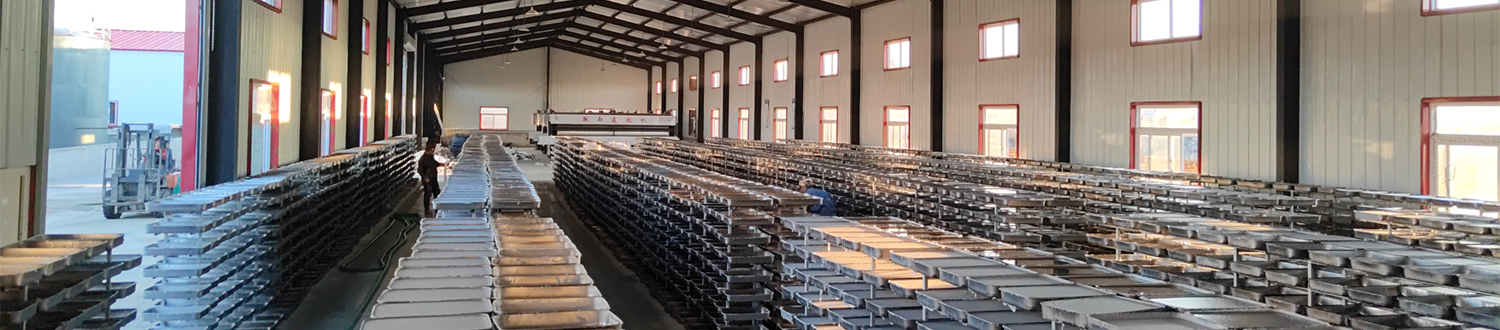
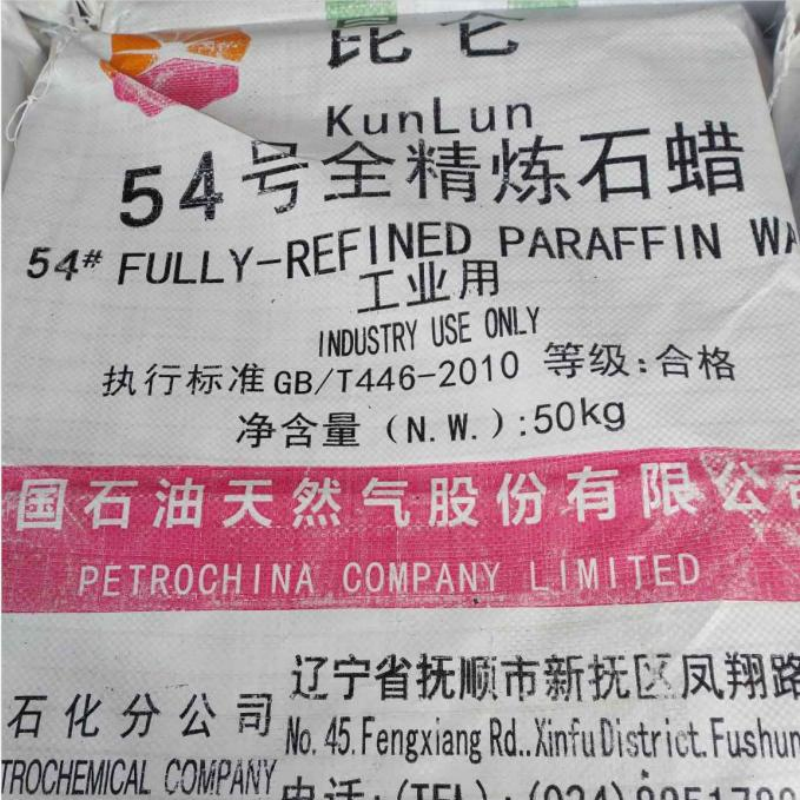
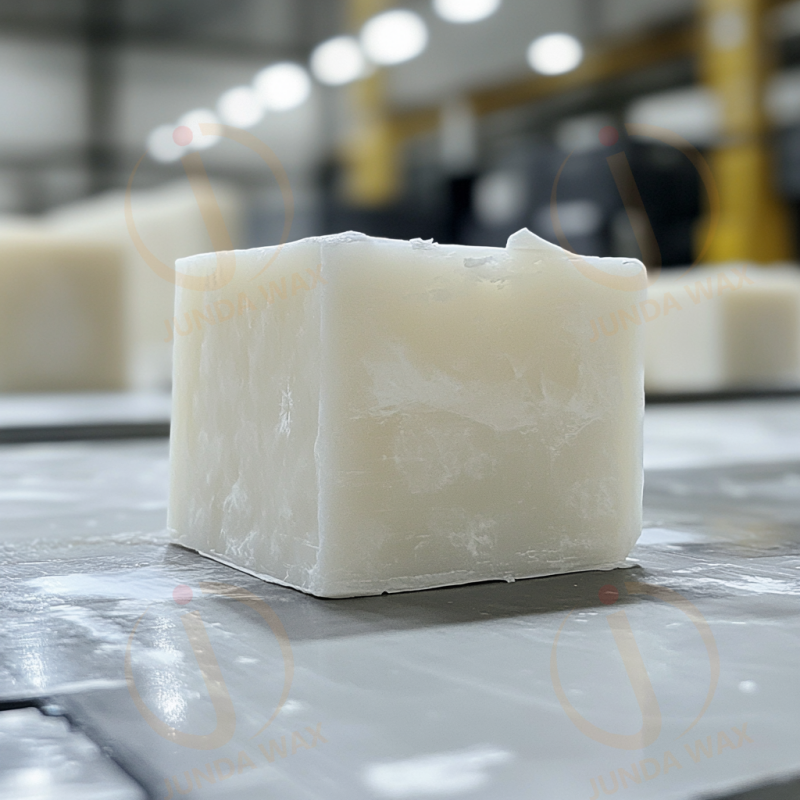
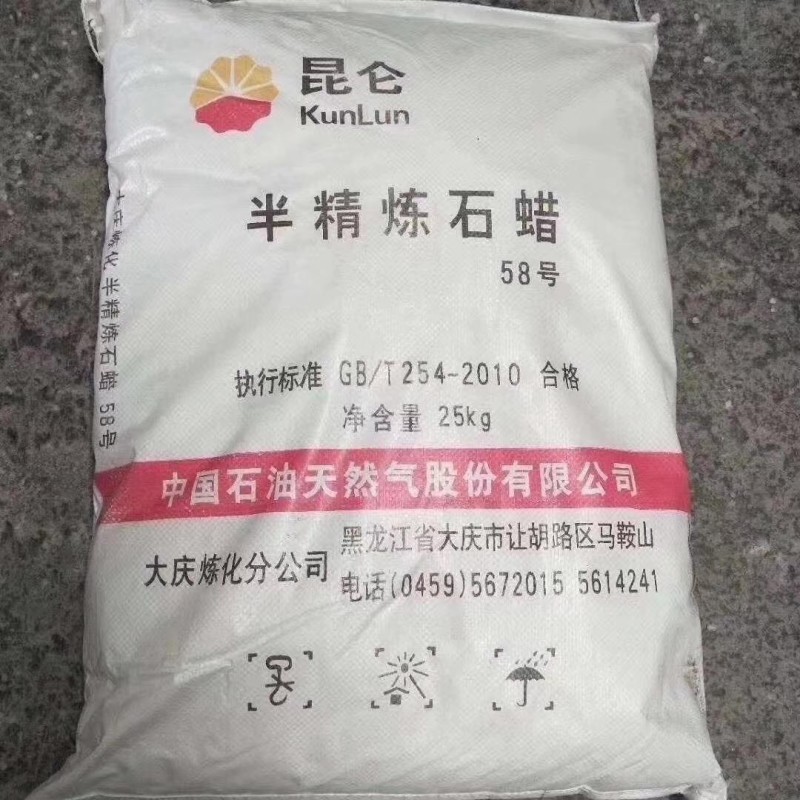
Every summer, the export of paraffin wax becomes particularly susceptible to shipping-related issues. Many first-time importers of paraffin wax assume that, since it is a solid product, its transportation should be relatively straightforward. In reality, however—given the rigors of long-distance sea freight and the high-temperature environment within shipping containers—paraffin wax places extremely high demands on packaging integrity. This is especially true for destinations in the Middle East, Southeast Asia, Africa, and parts of South America, where internal container temperatures during the summer can sometimes exceed 60°C. If the packaging structure is inadequately designed, it can easily lead to issues such as softened wax edges, deformed packaging, or even product adhesion.
Throughout our extensive history of exporting, Junda Wax has placed a particular emphasis on packaging stability during high-temperature summer shipments. We fully understand that, from the client's perspective, the actual condition of the product upon arrival at the destination port is far more critical than its condition when it left the factory. For many clients engaged in subsequent candle manufacturing, discovering that their paraffin packaging has deformed not only complicates warehouse management but also drives up labor costs associated with unpacking and production processing.
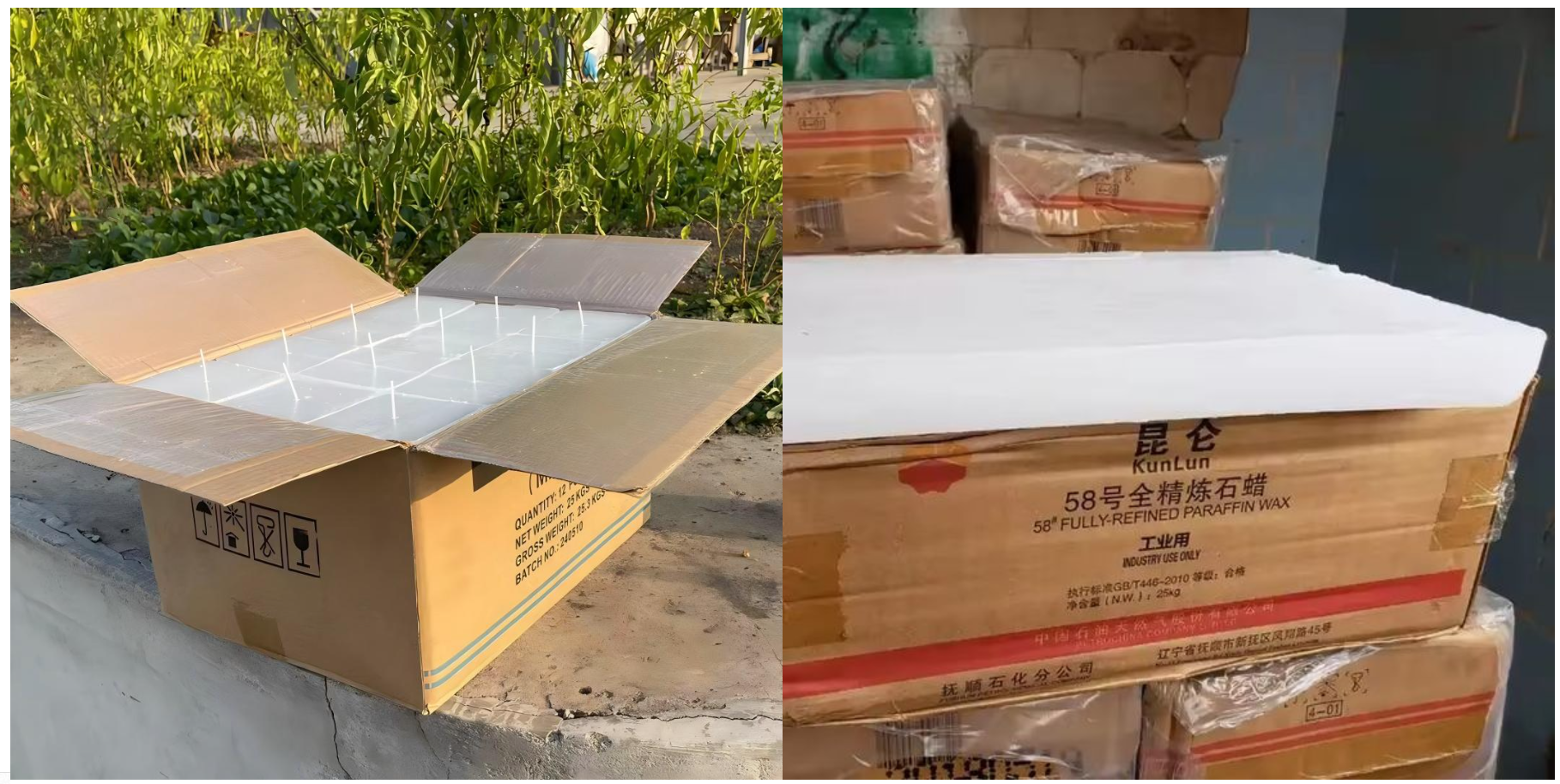
During the summer export season, we implement specialized packaging optimizations tailored to the specific destination country and the anticipated transit duration.
For instance, regarding a shipment of Candle Grade Paraffin Wax exported to Mexico, the client had previously encountered issues where the bottom of the packaging deformed under pressure following sea transit. This was exacerbated by high temperatures within their local warehouse, which caused some of the paraffin wax to soften slightly after prolonged stacking. Upon partnering with Junda Wax, we comprehensively redesigned the packaging structure—including reinforcing the strength of the outer woven bags, optimizing the palletizing pattern, and carefully regulating the stacking pressure on each layer. Ultimately, the client reported a significant improvement in the overall integrity of the packaging upon arrival at the port, leading to greater stability in subsequent warehousing and usage.
In the Southeast Asian market, our focus shifts to addressing the dual challenge of high temperatures combined with high humidity. In certain regions, the air humidity is exceptionally high in addition to the elevated temperatures; therefore, beyond ensuring the structural strength of the outer packaging, we also implement additional optimizations to the internal moisture-proofing mechanisms to prevent the packaging from becoming damp and soft during extended transit. One Indonesian client, prior to adopting our optimized packaging solution, had experienced issues where the bottoms of their cardboard cartons would collapse due to moisture absorption—a problem that became particularly pronounced during prolonged waiting periods at the port. After we subsequently optimized the packaging structure to suit the local transport environment, the overall stability of the shipments improved dramatically.
For the Middle Eastern market, the packaging requirements differ once again. Given the even more extreme summer temperatures prevalent in that region, we place a heightened emphasis on pallet stability and the compressive strength of the outer packaging layers. We recently fulfilled an export order for high-melting-point, fully refined paraffin wax bound for Saudi Arabia. Given the extended transit time involved, we took extra measures to reinforce the overall packaging and optimized the internal arrangement of the containers during the loading process to minimize prolonged pressure on the top-tier cargo—a zone particularly susceptible to high temperatures. The client subsequently reported that, despite enduring a lengthy sea voyage, the paraffin wax arrived at the destination port with its packaging still in excellent condition.
Many shipping related issues do not stem from poor quality in the paraffin wax itself, but rather from a failure to adapt packaging details to the specific transport environment. This is especially true during the summer months, when high temperatures can exacerbate many problems that might otherwise go unnoticed. Consequently, Junda Wax places increasing emphasis on packaging—viewing it as an integral component of the product itself—throughout our export operations.
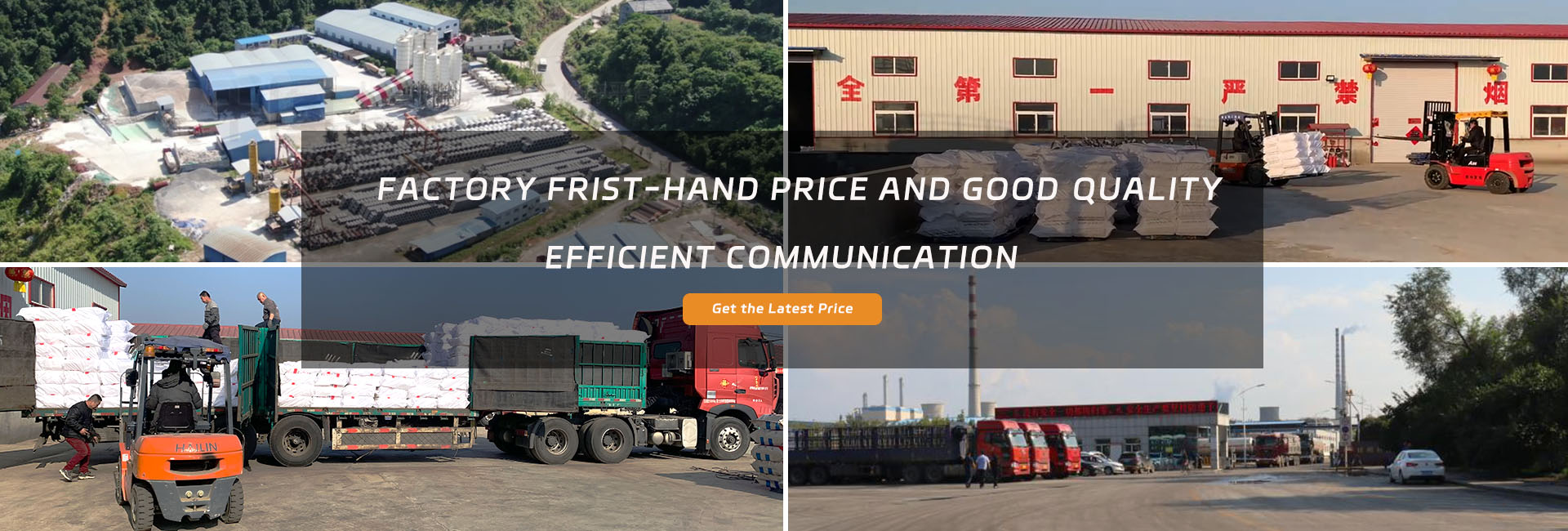
We implement comprehensive adjustments based on various factors, including the destination country, specific melting-point specifications, and anticipated transit times:
Outer packaging strength
Pallet structure
Palletizing method
Moisture-proofing solutions
Container loading configuration
For orders involving particularly long sea voyages, we prioritize overall compressive stability to minimize the risk of packaging damage and loss upon the cargo's arrival at the destination port.
Beyond paraffin wax itself, Junda Wax now offers a one-stop supply solution that includes wax wicks, color pigments, and candle manufacturing equipment. Many clients therefore opt to consolidate their entire shipping logistics through us; this approach not only simplifies management but also facilitates greater control over the stability and integrity of the entire shipment. If you are seeking packaging solutions for Candle Grade Paraffin Wax that are better suited to high-temperature marine transport environments, we invite you to contact Junda Wax at any time. We can provide tailored packaging recommendations—optimized for summer shipping conditions—based on your specific export destination, transit schedule, and product specifications.
