
Why is burning time testing so important for candle factories?
For candle manufacturers, burning time is more than just a number on a product specification sheet; it's a crucial indicator of product quality and market competitiveness. Candles of the same weight can burn for 8 hours or more, while others only burn for 5-6 hours; some burn with a stable flame and even wax pool, while others exhibit problems like wax dripping, black smoke, or tunneling. Therefore, burning time testing is one of the most direct methods for evaluating paraffin wax performance during candle research and development and production. Especially when exporting to European, North American, and Middle Eastern markets, more and more buyers are focusing on the actual burning performance of candles, not just the melting point or oil content of the paraffin wax. Junda Wax, having served candle factories worldwide for a long time, also assists clients with burning tests based on the characteristics of different candle products, helping them select the most suitable Candle Grade Paraffin Wax and improve product competitiveness.
Standardized testing conditions are more important than the test itself.
Many factories find that test results vary depending on the time of day. The problem isn't necessarily with the paraffin wax, but rather with inconsistent testing environments. To obtain more valuable data, it's crucial to maintain consistent candle size, weight, wick type, and environmental conditions during testing. Testing at room temperature (around 20-25°C) is generally recommended, avoiding direct airflow from air conditioners or fans, as air movement significantly affects flame size and burning speed. Additionally, the wick should be trimmed to the same length before each lighting; otherwise, even using the same paraffin wax may produce different test results. Many large candle factories have established their own standard burning test procedures to compare performance differences between different paraffin wax batches and formulations.
How to conduct a burning time test?
The most common burning time test method is actually quite simple. First, record the initial weight and size of the candle, then light it and start timing. During the test, observe the flame height, wax pool formation, and wax consumption rate at fixed intervals, and record the relevant data. For column candles and container candles, typically record the wax pool diameter, remaining weight, and burning status every hour. When the candle extinguishes naturally or burns to a predetermined position, the total burning time can be calculated. This data not only reveals the paraffin wax's combustion efficiency but also allows analysis of the compatibility between the paraffin wax and the wick. When recommending fully refined paraffin wax to clients, Junda Wax also considers the client's product type and burning goals to help select the most suitable paraffin wax specifications.

Longer burning time does not necessarily mean better quality.
Many newcomers to the candle industry believe that the longer the burning time, the better. However, what truly matters is the effective burning time. Some candles, although burning for a long time, have a small flame throughout the process, creating a noticeable tunneling effect, ultimately resulting in a large amount of paraffin wax being unusable. Conversely, some candles with slightly shorter burning times achieve even burning, a stable flame, and good fragrance release. Therefore, professional testing not only focuses on the total burning time but also observes the rate of wax pool formation, burning uniformity, soot formation, and fragrance diffusion. For high-end scented candles and gift candles, these indicators are often more important than burning time alone.
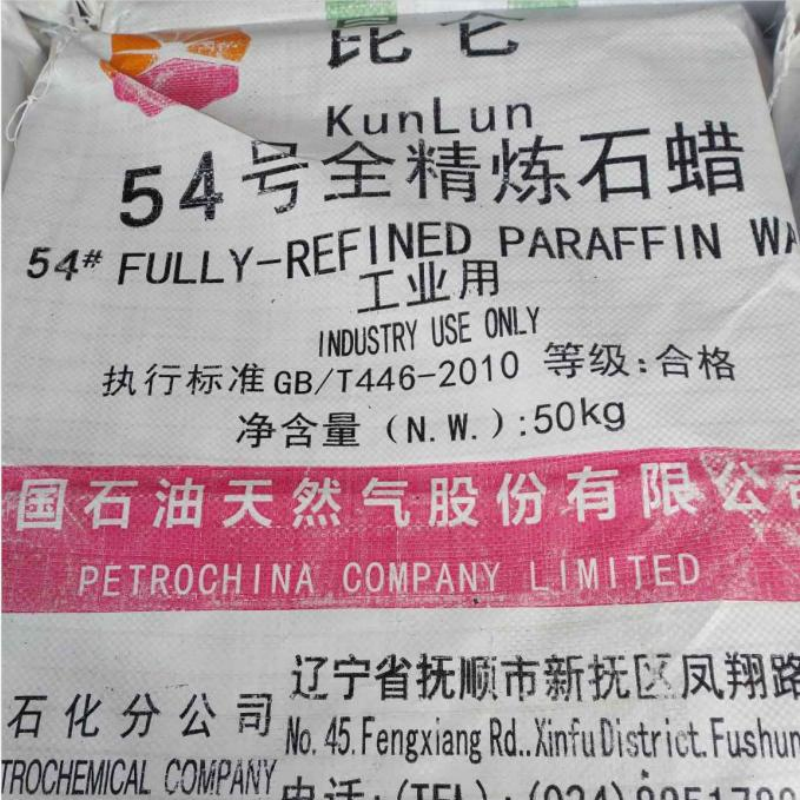
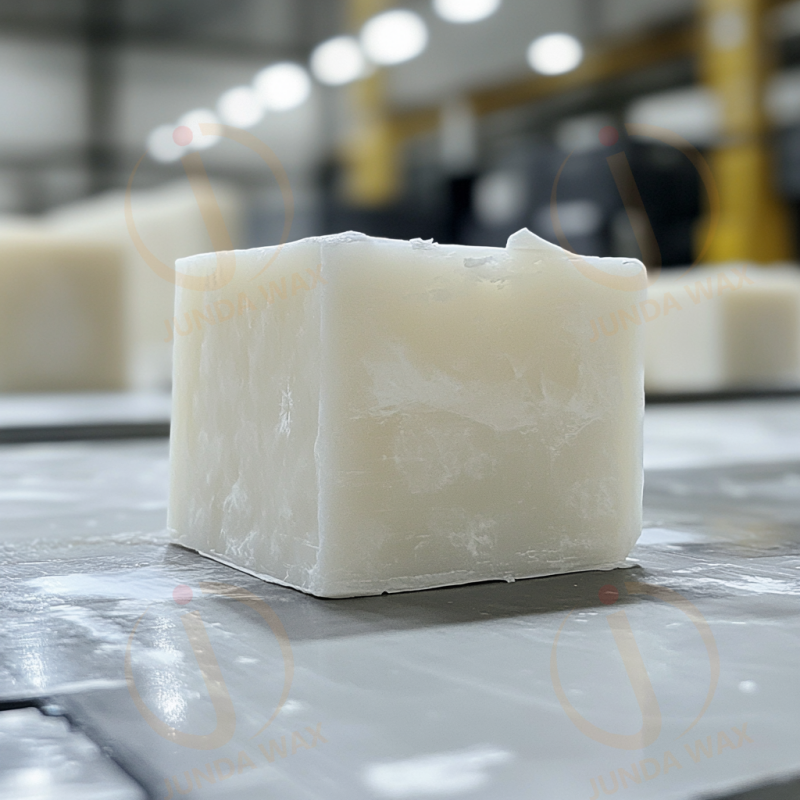
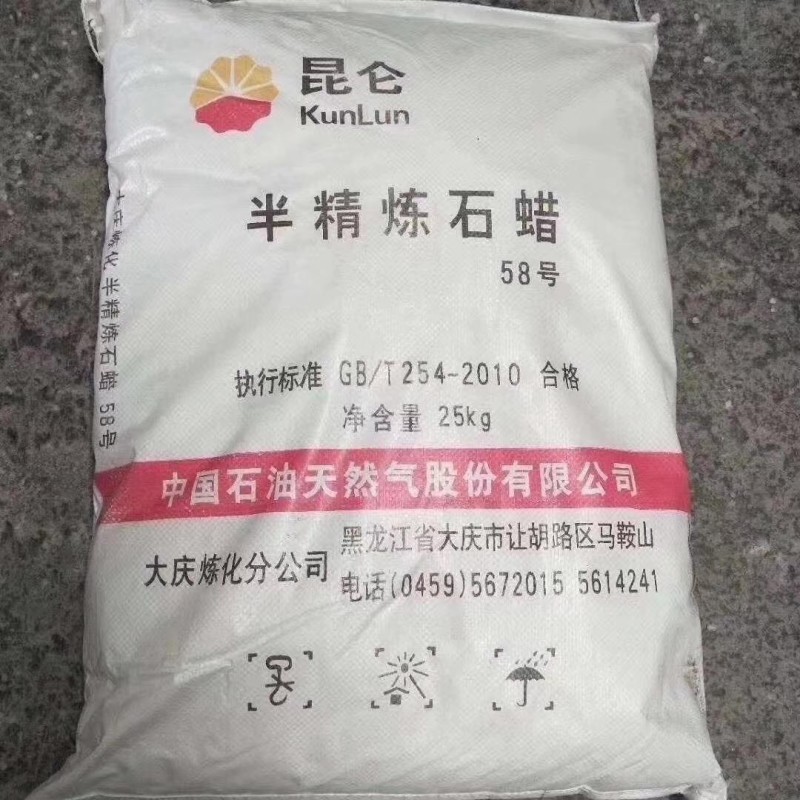
Paraf quality directly affects test results. The purity, oil content, and melting point of the paraffin wax itself all affect burning performance. Generally, fully refined paraffin wax, due to its lower oil content and fewer impurities, burns more stably and has a more uniform flame. While paraffin wax with a higher oil content is cheaper, it may cause problems such as increased black smoke, unstable burning speed, and uneven wax pooling. Especially in the high-end candle market, more and more brands are choosing high-purity, fully refined paraffin wax for better appearance and burning performance. Junda Wax offers a variety of fully refined paraffin waxes with different melting points to meet the needs of various products, including tea candles, column candles, container candles, and religious candles, and recommends the most suitable paraffin wax solution based on the client's market characteristics.
Wick selection is often more important than imagined. Many factories often overlook the importance of the wick when testing paraffin wax. In fact, the same paraffin wax paired with different wick sizes can produce very different burning times and performance. If the wick is too thick, the flame will be too large, causing the paraffin wax to be consumed faster; if the wick is too thin, tunneling may occur, affecting the actual user experience. Therefore, professional candle testing usually does not test the paraffin wax alone, but rather the overall matching effect between the paraffin wax and the wick. As a one-stop supplier of candle production materials, Junda Wax not only provides fully refined paraffin wax but also wax wicks, dyes, and other candle accessories, helping customers complete product development and combustion testing more efficiently.
From testing to mass production, stability is the real key
For candle factories, an excellent test result does not guarantee product success. What truly matters is that every batch of paraffin wax performs consistently. Therefore, more and more large candle manufacturers are beginning to value the stable supply capabilities of their raw material suppliers. Junda Wax has long exported Candle Grade Paraffin Wax to markets in Europe, South America, the Middle East, Africa, and Southeast Asia, providing not only stable, fully refined paraffin wax products but also one-stop solutions such as wax wicks, color powders, and automated candle production machinery according to customer needs. Through comprehensive support from raw materials to equipment, Junda Wax helps customers shorten product development cycles and improve production stability.
If you are looking for a stable, fully refined paraffin wax supplier, or wish to obtain one-stop sourcing services from paraffin wax and wax lines to candle production equipment, Junda Wax is a long-term partner worth considering.
