
The melting point isn't the only factor that truly determines candle quality. Why do some paraffin wax candles have exceptionally beautiful surfaces? Why do some burn stably while others smoke or develop dents? These differences are actually related to the core indicators of paraffin wax.
For factories producing export candles, scented candles, or high-end gift candles, understanding these parameters is more important than simply comparing prices. Based on Junda Wax's years of experience serving global candle customers, the following indicators fundamentally determine the actual performance of a Candle Grade Paraffin Wax.
I. Melting Point
The melting point is the most crucial and commonly used indicator. Simply put, the melting point determines the temperature at which paraffin wax begins to melt, and it also affects the candle's hardness, burning speed, and transport stability. Low-melting-point paraffin wax is generally more suitable for container-type scented candles because the wax pool forms quickly and the fragrance diffuses significantly; high-melting-point paraffin wax is more suitable for columnar waxes, sculpted waxes, or high-temperature transport markets because of its more stable structure. A higher melting point isn't always better; it must be matched to the product's intended use. Junda Wax offers fully refined paraffin wax with different melting point ranges to suit various candle types, helping customers reduce post-production adjustment costs.
II. Oil Content:
Oil content is often a crucial parameter that many factories only realize its importance after starting mass production.
Oil content directly affects the hardness, burning characteristics, and surface appearance of the paraffin wax. Higher oil content results in softer paraffin wax, easier wax pooling, and faster fragrance release; however, it also makes it more prone to oiliness, stickiness, and high-temperature deformation. Low-oil-content paraffin wax is generally cleaner and more stable, making it particularly suitable for high-end scented waxes and the export market. Junda Wax strictly controls oil content stability during production because even with the same melting point, different oil contents can lead to significant differences in performance.
III. Color & Transparency:
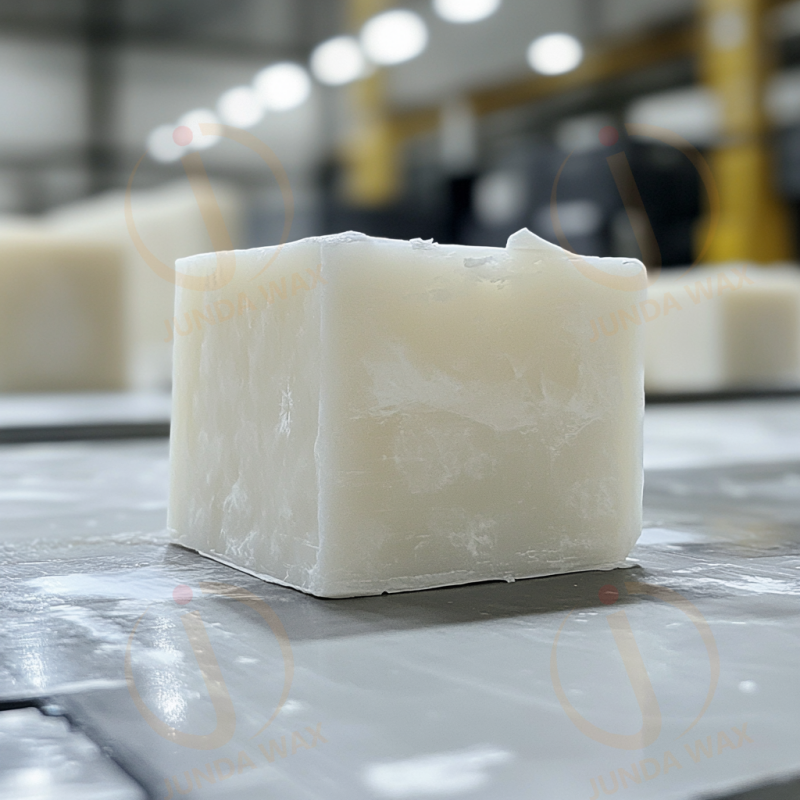
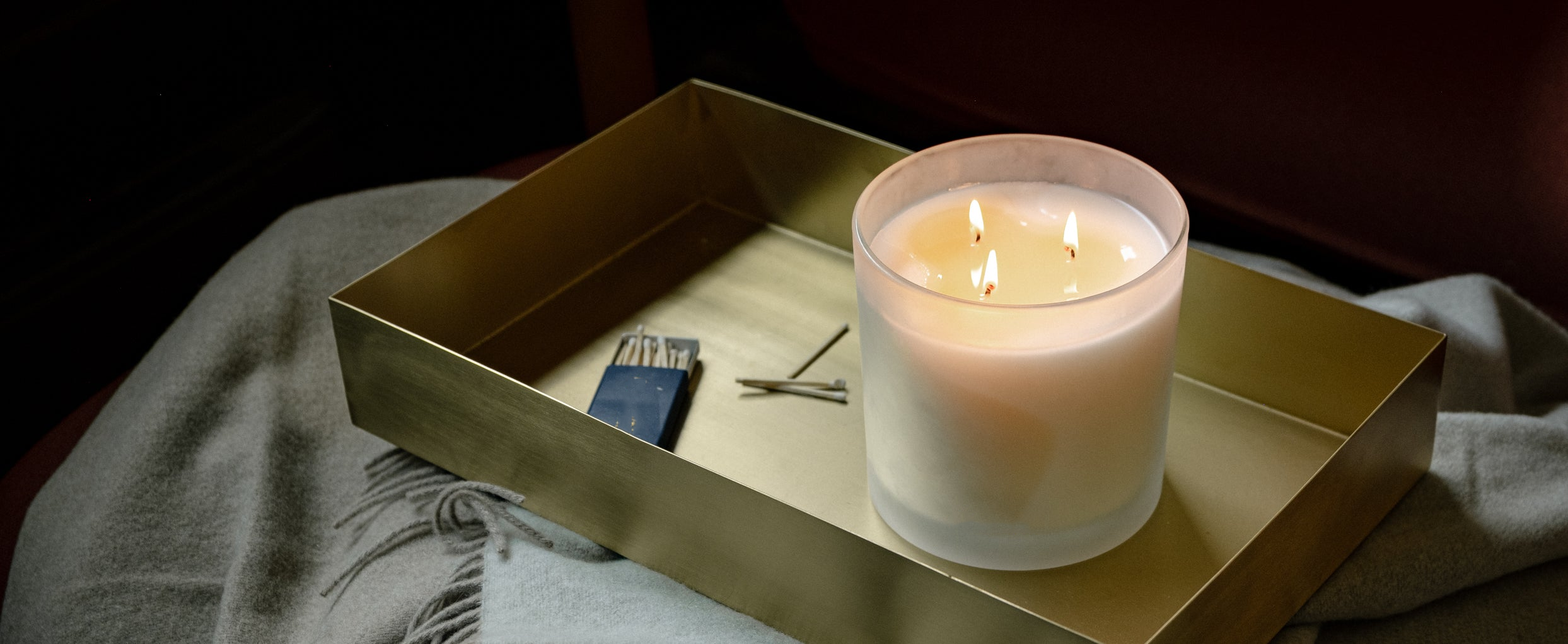
Many high-end candle brands pay close attention to the color of the paraffin wax. Premium Candle Grade Paraffin Wax is typically whiter, purer, and more transparent. This means fewer impurities, resulting in a more premium-looking wax after molding. Especially in white scented waxes, colored waxes, and transparent container waxes, the color of the paraffin itself directly affects the final visual effect. If the paraffin is grayish, yellowish, or has unstable transparency, the resulting candle can easily appear unclean. Junda Wax focuses on controlling the consistency of paraffin appearance in its export products, ensuring consistent finished product performance across different batches for its clients.
IV. Penetration
Penetration can be understood as another indicator of the "hardness" of paraffin. This parameter affects the feel, structural strength, and burning speed of the candle. High penetration indicates softer paraffin; low penetration means higher hardness. For clients making container waxes, appropriate softness facilitates fragrance diffusion; however, for columnar or sculpted waxes, higher hardness is required to ensure structural stability. Junda Wax recommends paraffin specifications with different penetration ranges based on the client's intended use in different application areas.
V. Burning Performance
While burning performance is not a single parameter, it is actually the final result of all indicators combined. Flame stability, wax pool uniformity, smoke control, and burning time are all affected by the paraffin itself. Many customers find that the same wick performs completely differently with different paraffins during testing. This is actually the result of the combined effects of the paraffin's structure, oil content, and melting point. During product development, Junda Wax not only focuses on laboratory parameters but also incorporates real-world burning tests to help customers find more stable formulations.
VI. Crystal Structure This indicator is often overlooked, but it is crucial.
Paraffin with a stable crystal structure has a smoother surface after cooling, less prone to cracking, pinholes, or surface fogging. Especially in the high-end scented wax market, consumers have increasingly high demands for appearance; even a small surface flaw can affect the overall sense of luxury. During production, Junda Wax improves the crystal stability of paraffin through refining processes and raw material control, resulting in more consistent performance in the finished product.
Truly high-quality Candle Grade Paraffin Wax is not just about making candles; it's about achieving a balance between melting point, oil content, appearance, burning performance, and stability.
For candle factories, understanding these core metrics can significantly reduce trial-and-error costs in production and make it easier to produce consistent, high-quality products.
Junda Wax has focused on supplying fully refined paraffin wax and candle materials for many years. We offer a variety of Candle Grade Paraffin Wax sizes to meet different candle types and market demands, and also provide one-stop solutions for wax threads, coloring powders, and candle equipment. If you are looking for a more stable paraffin wax solution, please feel free to contact us.
