
When purchasing fully refined paraffin wax, many customers ask: What's the difference between 58℃, 60℃, 62℃, and 64℃? Is a higher melting point always better? Choosing the right melting point not only improves product quality but also increases production efficiency and reduces later-stage problems.
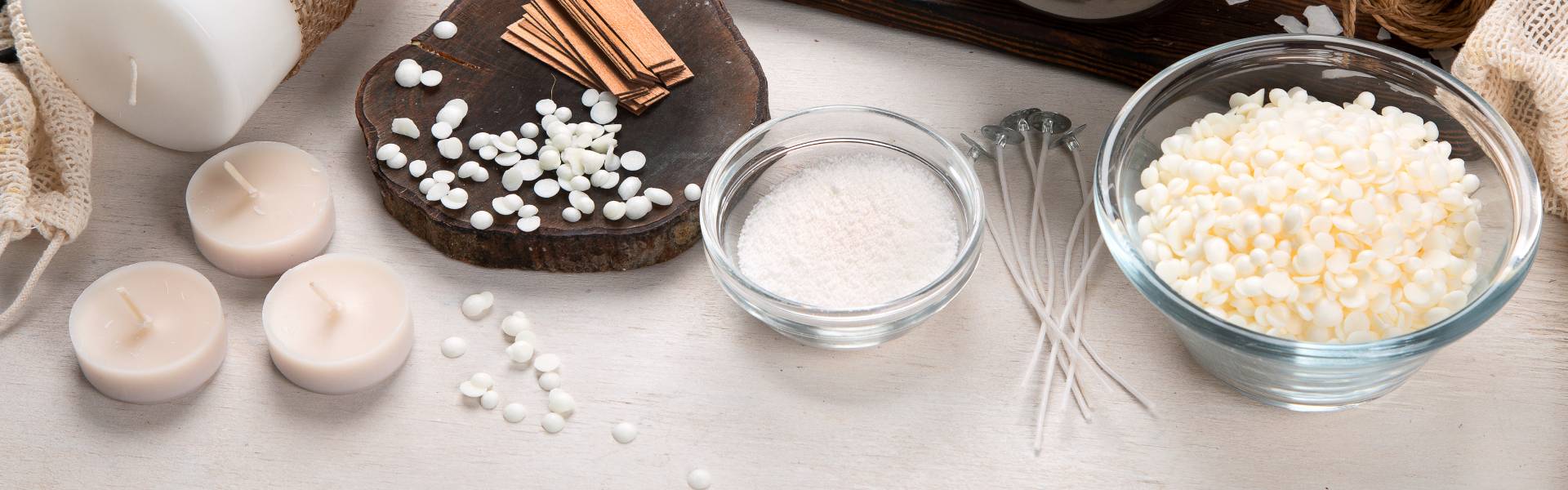
Low-melting-point paraffin wax (approximately 56–58℃): Suitable for container waxes and blending applications.
Low-melting-point fully refined paraffin wax is characterized by good fluidity, fast melting speed, and relatively gentle shrinkage upon cooling. It is generally more suitable for use in container waxes, glass waxes, or as a compounding ingredient. When making aromatherapy container waxes, a lower melting point helps form a uniform wax pool and also facilitates fragrance diffusion.
However, low-melting-point paraffin wax has relatively low hardness and is prone to softening during high-temperature transportation or in summer environments. Therefore, careful selection is crucial if products are exported to hot regions. Junda Wax recommends suitable melting point ranges based on the customer's market temperature environment in its export business to avoid deformation issues during transportation.
Medium Melting Point Paraffin Wax (approx. 58–60℃): A General-Purpose Choice
This range is arguably the most widely used specification on the market, balancing hardness and fluidity. It's suitable for tea wax, small column wax, and ordinary household candles. It offers a relatively balanced performance in terms of release, surface smoothness, and burning stability.
For customers new to the candle industry or those placing regular orders, a medium melting point is usually a safer choice. Junda Wax maintains a stable supply of this mainstream specification and ensures batch consistency, helping customers reduce adjustment costs during large-scale production.
Higher Melting Point Paraffin Wax (approx. 60–62℃): Suitable for Column Wax and High-Temperature Markets
Higher melting point paraffin wax is more suitable when products require stronger structural support, such as large column wax, sculpting wax, or products requiring long-term storage. It is harder, less prone to deformation after molding, and offers better transport stability.
Especially when exported to high-temperature regions such as the Middle East and Africa, high-melting-point paraffin effectively reduces the risk of softening and collapse. However, it's important to note that excessively high melting points may affect fragrance release efficiency, so a balance needs to be struck when making aromatherapy products. Junda Wax combines oil content and melting point control during production, rather than simply increasing the melting point, to maintain stable overall performance.
High Melting Point Paraffin (Above 62℃): Special Purposes and Industrial Applications
Fully refined paraffin with higher melting points is typically used for special industrial applications or candles with specific structures, such as products requiring strong heat resistance. It has good hardness and heat resistance, but the processing temperature is also relatively higher, requiring more sophisticated equipment.
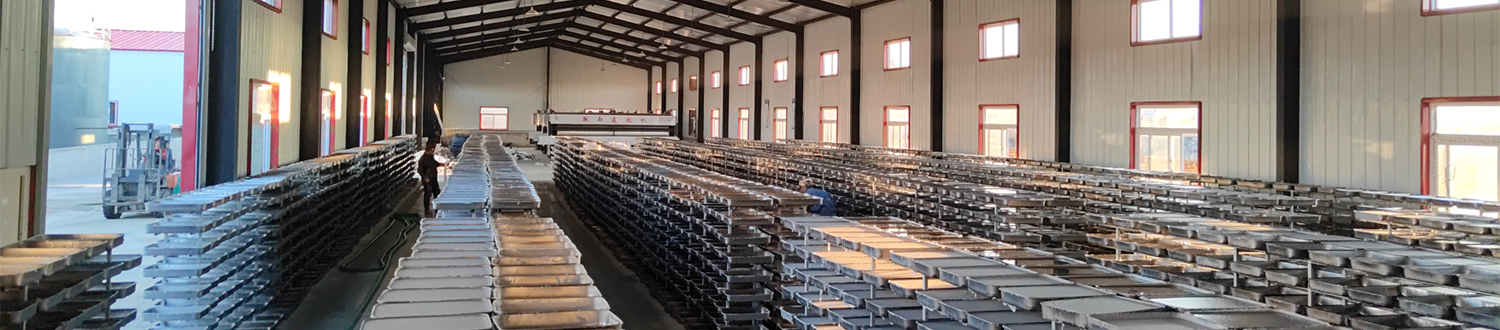
For customers with large-scale production capabilities, a stable supply of this specification is particularly important. Junda Wax has mature production lines and stable raw material sources, enabling it to supply products with different melting point ranges long-term to meet diverse needs.
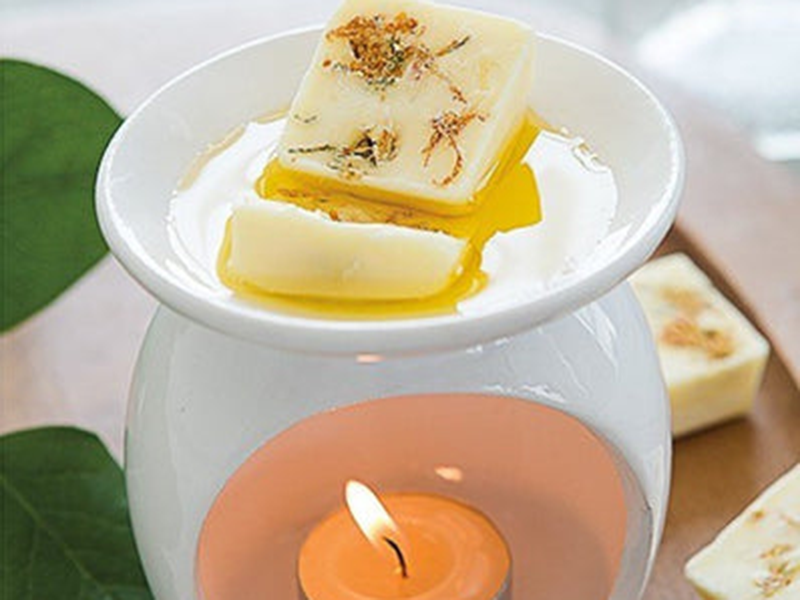
Choosing Melting Point
Many customers mistakenly believe that a high melting point equals high quality, but this is not necessarily true. Melting point is merely a technical parameter; what truly matters is whether it matches the product structure, market environment, and transportation conditions. The correct approach is to evaluate it in conjunction with cooling tests, demolding performance, and combustion tests, rather than simply comparing parameter tables.
Junda Wax not only offers fully refined paraffin wax in various melting point specifications but also provides a one-stop supply of wax production lines, color powders, and candle production equipment, forming a complete solution from raw materials to production support. For customers requiring long-term, stable supply, this systematic support can significantly reduce production risks.
Conclusion
Fully refined paraffin waxes with different melting points each have their uses; there is no absolute good or bad, only suitability. Choosing the right melting point can make your products more stable and more competitive in the market. If you are selecting the appropriate specifications or want to optimize your existing product structure, please contact Junda Wax. We can recommend more suitable paraffin wax specifications based on your product type, export market, and production conditions, and provide continuous and stable supply support.
