
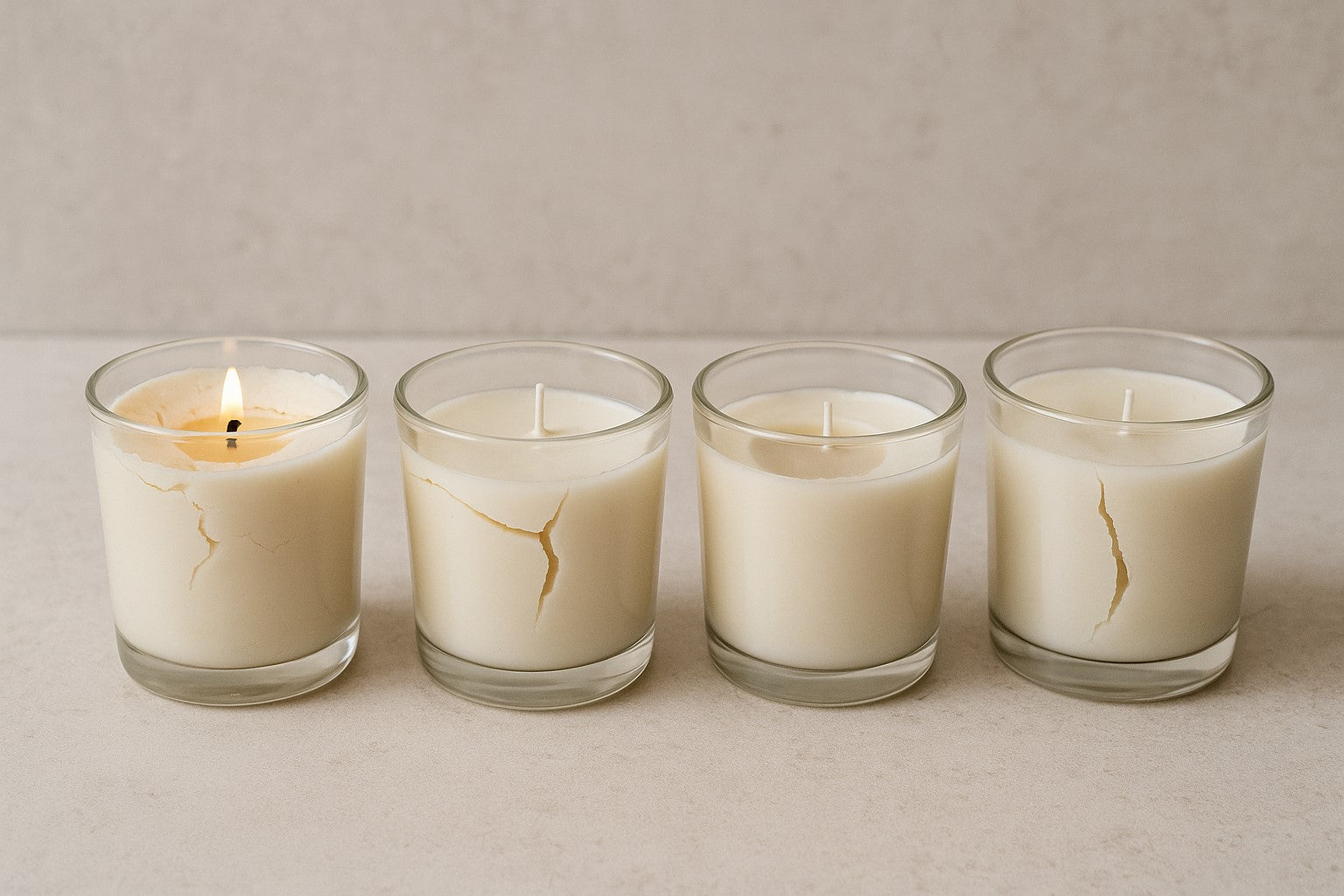
Many factories that manufacture pillar candles encounter a persistent and vexing issue during the production process: immediately after demolding, the candles appear flawless with smooth surfaces; however, after sitting for a few days—or once they have been shipped to the customer—cracks slowly begin to emerge. In severe cases, the candle may even split completely down the middle. This phenomenon is particularly pronounced during the winter months, following prolonged sea transport, or when using high-hardness wax formulations. Many customers' initial reaction is to attribute the problem to poor-quality paraffin wax; however, in reality, the cracking of pillar candles is rarely caused by a single factor. Instead, it is typically the result of the interplay between the paraffin's hardness, the cooling rate, internal shrinkage, and the environmental conditions during transport. The fundamental difference between pillar candles and container candles lies in the fact that pillar candles lack the structural support provided by a glass vessel or outer casing; consequently, the integrity of the entire wax body relies solely on the inherent stability of the paraffin itself, meaning that even the slightest structural flaw can be significantly amplified.
Excessive Hardness in Paraffin Wax Actually Increases the Risk of Cracking
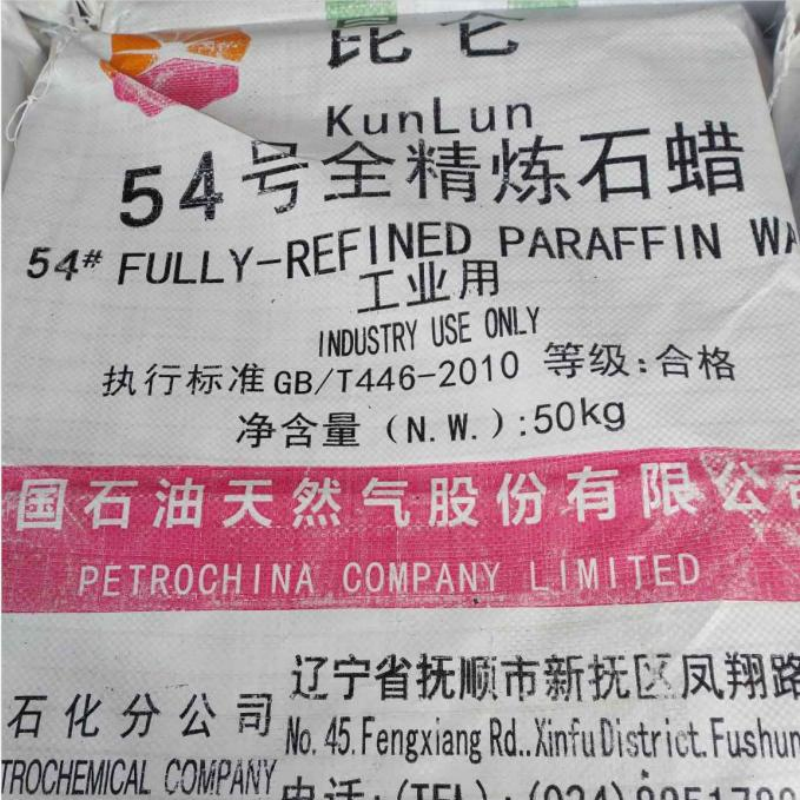
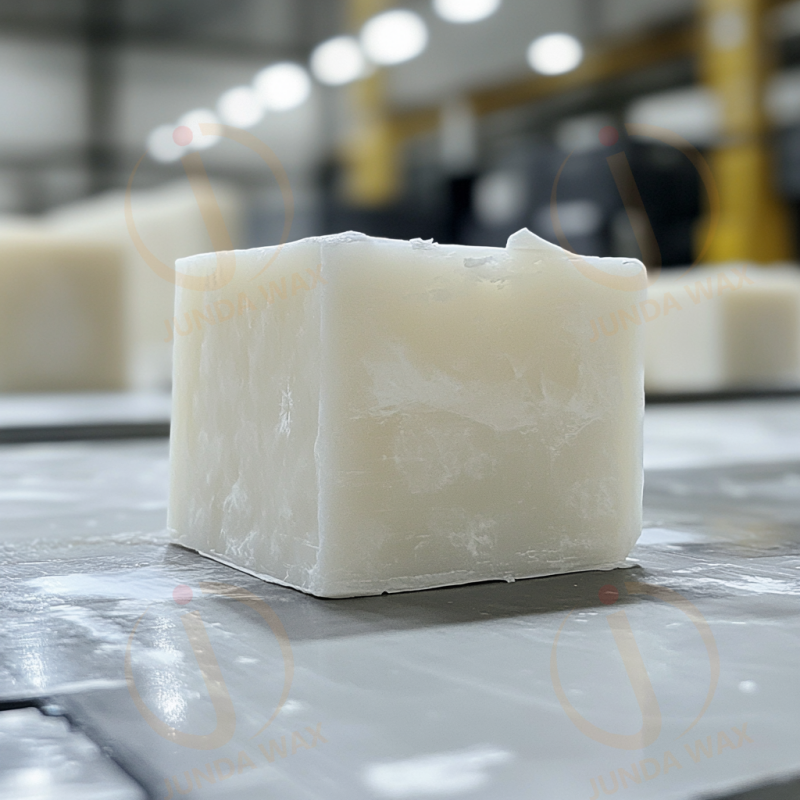
In actual production practice, one of the most common underlying issues is, in fact, that the paraffin wax is simply too hard. To ensure their pillar candles remain stable during summer transport, many factories prioritize the use of fully refined paraffin waxes characterized by high melting points and low needle penetration values, aiming to enhance the candles' overall heat resistance. However, the problem is that—contrary to popular belief—harder paraffin is not necessarily better. While excessively hard paraffin resists softening, it simultaneously renders the wax body more brittle. This is particularly critical during the cooling phase: as the paraffin contracts internally, any lack of overall structural toughness allows the resulting internal tension to gradually pull the outer surface apart, causing it to crack. Some customers observe that their pillar candles perform flawlessly during the summer but become highly susceptible to cracking in the winter; fundamentally, this occurs because low-temperature environments exacerbate the inherent fragility of high-hardness paraffin. Consequently, an increasing number of sophisticated manufacturers are moving away from the singular pursuit of high melting points when producing pillar candles, and are instead focusing on striking the optimal balance between hardness and structural toughness.
Through its long-standing service to pillar candle manufacturers, Junda Wax frequently assists clients in fine-tuning their paraffin formulations to suit the specific climatic conditions of their target markets. For instance, when exporting to European or Russian markets—where winter temperature fluctuations can be extreme—we typically advise clients to avoid using overly rigid or brittle formulations. Instead, we recommend optimizing the paraffin structure to ensure the wax body retains a certain degree of flexibility; this strategic adjustment significantly mitigates the risk of post-production cracking.
Excessive Cooling Speed Creates Internal Tension
Beyond the paraffin wax itself, the cooling rate is actually one of the most critical factors influencing cracking. To boost production capacity, many factories employ rapid cooling methods—such as forced-air cooling or quick-setting at low temperatures—immediately after pouring the wax. However, pillar candles typically have a substantial volume; if the cooling rate differs too drastically between the outer layer and the interior, internal stress is highly likely to develop. Simply put, the exterior hardens completely while the interior continues to contract; this internal tension gradually pulls the wax body apart, leading to cracks. Consequently, many experienced candle manufacturers—when producing high-end pillar candles—deliberately slow down the cooling process to allow the paraffin to crystallize uniformly, rather than prioritizing the fastest possible demolding time.
Many clients previously assumed that faster cooling resulted in greater stability; in reality, however, slow cooling is often far more critical for pillar candles. This is particularly true for large-format religious candles or decorative pillars, where the internal cooling time is inherently longer; if temperature differentials are not carefully controlled, the likelihood of cracking later in the process increases significantly.
One-Stop Sourcing Solutions Are Becoming the Trend
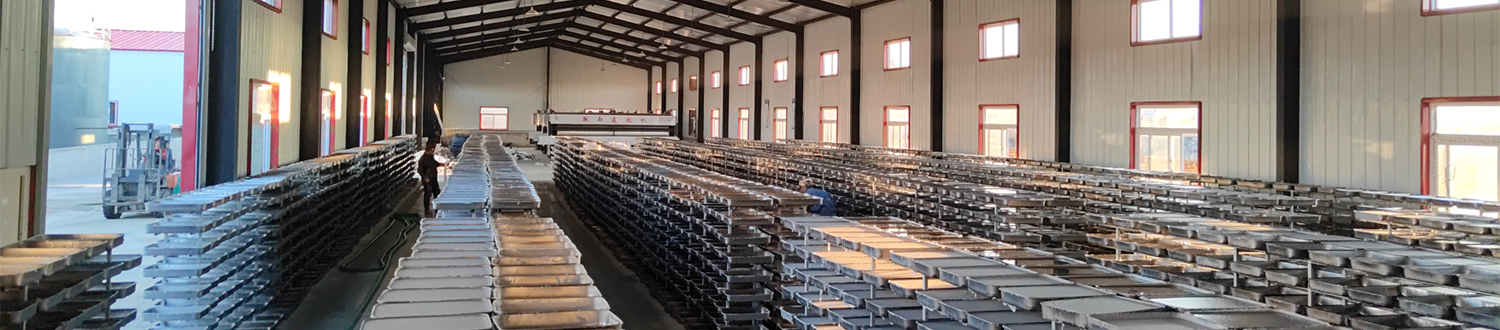
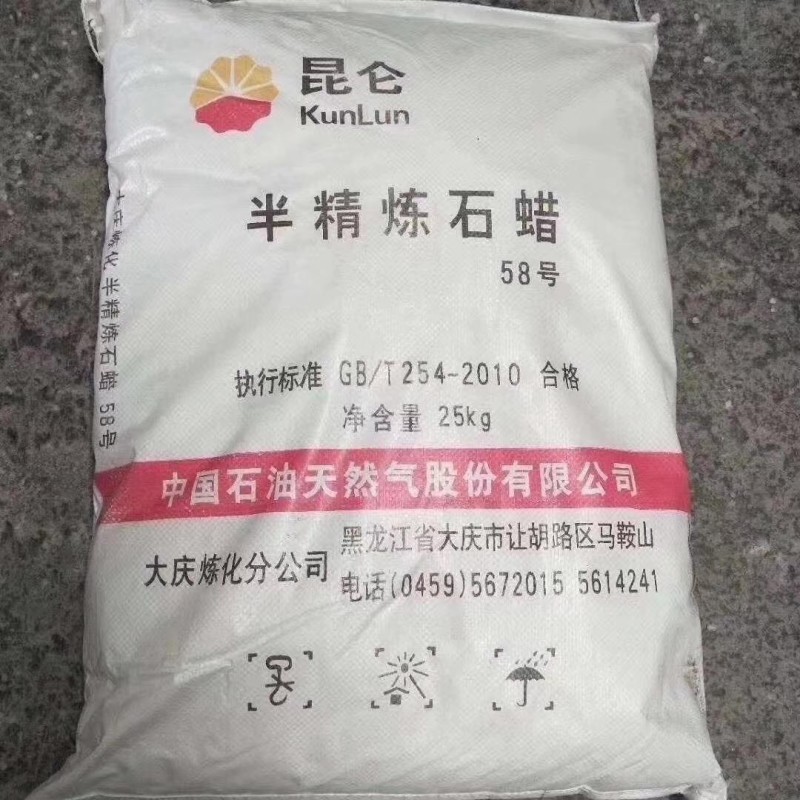
An increasing number of pillar candle manufacturers are now gravitating toward "one-stop sourcing"—procuring all candle-making materials as a complete package—rather than simply purchasing paraffin wax in isolation. This shift is driven by the fact that paraffin wax, wicks, colorants, and manufacturing equipment all interact with one another to influence the final product's performance. If the supply chain is fragmented, subsequent formulation adjustments and troubleshooting efforts can become exceedingly complex. Currently, in addition to offering fully refined paraffin wax in various specifications, Junda Wax provides a comprehensive, one-stop supply service encompassing wicks, colorants, and candle-making machinery, thereby enabling clients to more conveniently optimize their entire production ecosystem. For export-oriented clients, this integrated sourcing approach significantly enhances both production stability and the efficiency of subsequent communications.
Cracking in pillar candles is not merely a simple issue of paraffin quality; rather, it is the result of the interplay between wax hardness, penetration depth, cooling methodology, oil content, and the transportation environment. A truly stable pillar candle formulation is not necessarily the hardest one, but rather one that strikes the optimal balance between hardness, resilience, and internal cooling structure.
If you are currently manufacturing pillar candles, religious candles, or large-format decorative candles—and are encountering issues such as cracking, shrinkage, or instability during transport—we invite you to contact Junda Wax at any time. Based on your specific product type, climatic conditions, and transportation requirements, we can assist you in identifying the most suitable fully refined paraffin wax solution for your needs.
